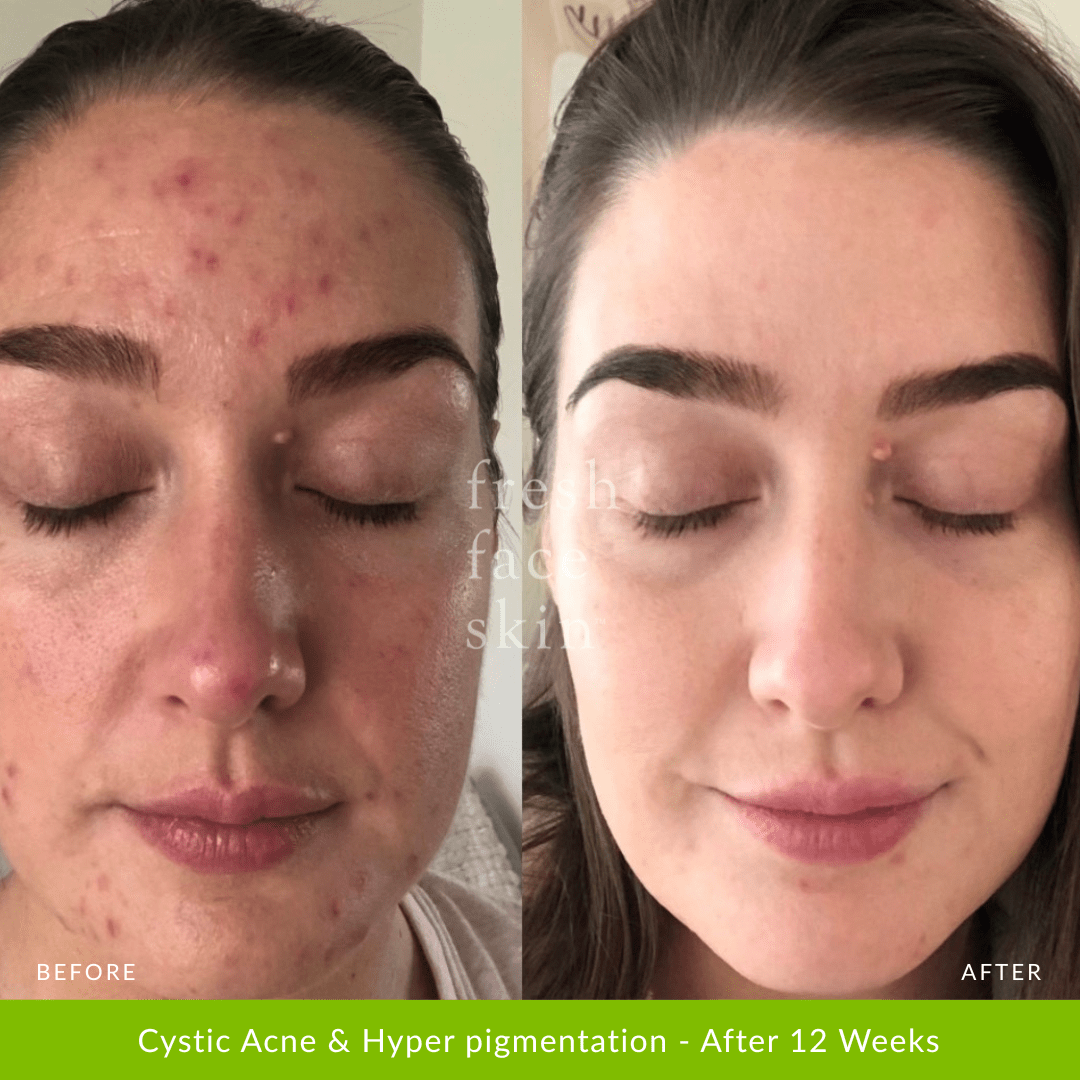
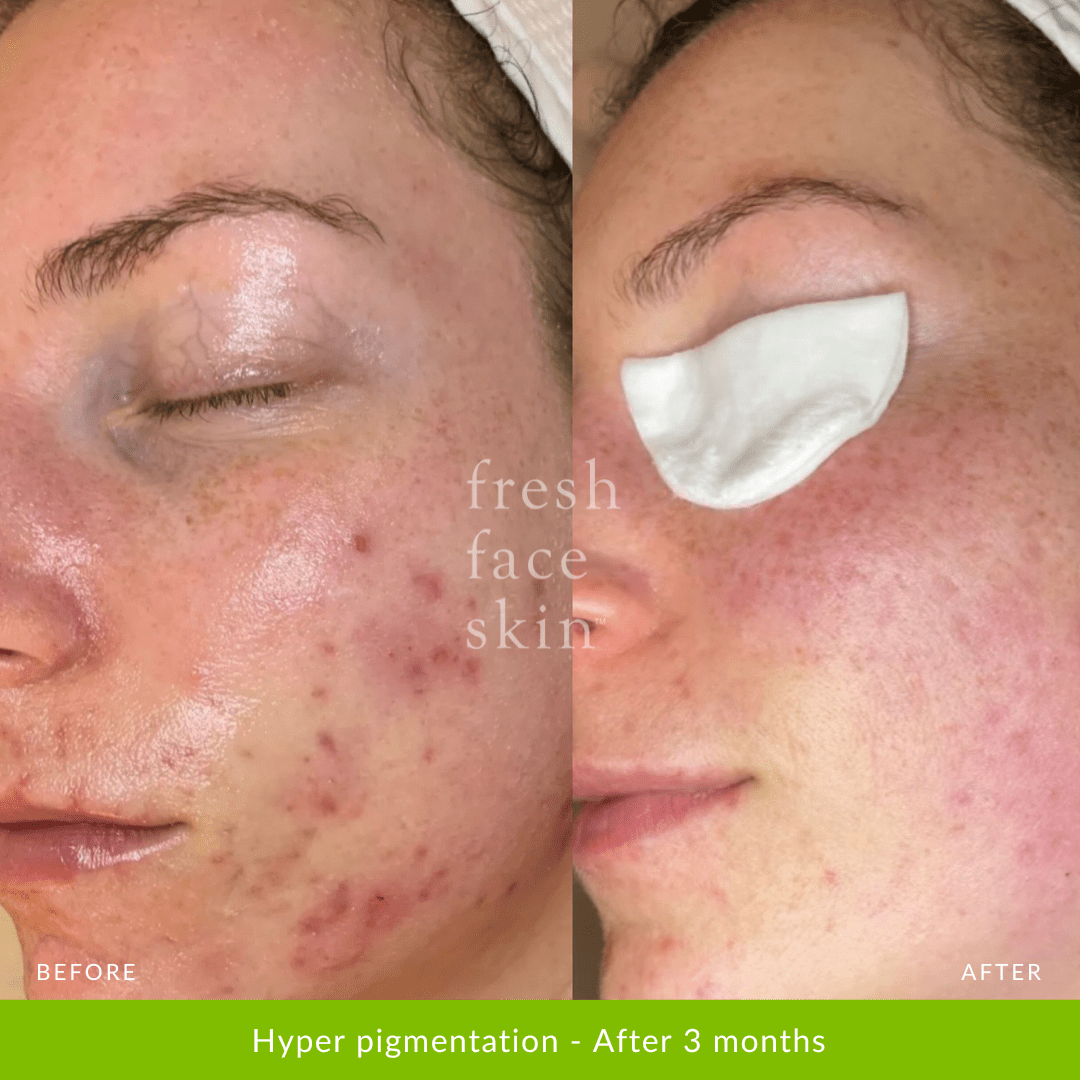
When we talk about skin concerns, most people immediately think of acne, pigmentation, sensitivity, or premature ageing. But in clinic, we often see something much simpler sitting underneath many of these concerns: dehydration.
Hydration is often the first domino to fall. When the skin doesn’t have enough water, the entire system begins to struggle. The skin barrier becomes weaker, cell communication slows down, and natural renewal processes become disrupted. Over time, this imbalance can lead to irritation, congestion, dullness, or increased sensitivity.
When hydration is restored, many of these issues begin to rebalance.

A Strong Acid Mantle: Your Skin’s First Line of Defence
The acid mantle is the thin protective layer that sits on the surface of your skin. It is responsible for defending the skin against environmental stressors, bacteria, and irritation.
When the skin is well hydrated, the acid mantle remains strong and intact. This helps regulate how quickly products absorb into the skin. While fast absorption might sound like a good thing, overly rapid penetration can actually increase irritation, particularly when using active ingredients.
A healthy, hydrated barrier allows ingredients to enter the skin at a more controlled rate. This means the skin can tolerate active ingredients better, reducing the likelihood of redness, sensitivity, and inflammation.
In other words, hydration helps the skin stay resilient.
Healthy Cell Communication
Your skin is constantly sending signals between cells to maintain balance. These signals help regulate processes such as oil production, inflammation, repair, and renewal.
When the skin becomes dehydrated, this communication can become disrupted. Cells struggle to send and receive the messages they need, which can lead to imbalances in how the skin behaves.
You may notice oilier skin that still feels tight, increased breakouts, or areas that appear dull and uneven. These are often signs that the skin’s internal systems are not working in harmony.
Proper hydration allows cells to communicate effectively again. When this happens, the skin begins to regulate itself more efficiently, helping restore balance across multiple functions.
Natural Desquamation: The Skin’s Built-In Renewal Process
Your skin naturally sheds old cells through a process called desquamation. This process is responsible for maintaining a smooth, bright, and even-looking complexion.
However, when the skin lacks hydration, this process slows down. Dead skin cells can begin to accumulate on the surface, leading to rough texture, dullness, and congestion.

Hydrated skin allows enzymes responsible for exfoliation to function properly. As a result, the skin can shed old cells more effectively, revealing fresher skin underneath.
This is why well-hydrated skin often appears smoother, softer, and more radiant without relying heavily on harsh exfoliation.
Hydration as the Foundation
Rather than immediately reaching for stronger actives or more complex skincare routines, restoring hydration is often the most important first step in supporting long-term skin health.
When the skin has adequate water levels, its protective barrier becomes stronger, cellular communication improves, and natural renewal processes can function as they should.
Hydration doesn’t just make the skin feel comfortable — it allows the skin to perform the many jobs it was designed to do.
And when those systems are working well, healthier skin tends to follow.