What Really Happens After 10 Minutes Underwater
Summer often means more pool time and while a quick dip is refreshing, swimming in a chlorinated pool with your face underwater for more than 10 minutes can have a surprisingly big impact on your skin’s microbiome.
Research shows chlorine exposure of this length can reduce the diversity of your skin microbes by up to 40%. And when we talk about diversity, we’re talking about the good bacteria, fungi and microbes that keep your skin calm, resilient and protected.
So let’s unpack why this matters, what chlorine is actually doing to your skin, and how you can support your microbiome while still enjoying the sunshine.
Why Your Skin’s Microbiome Matters
Your microbiome is the invisible ecosystem living on the surface of your skin, thousands of species of helpful bacteria, fungi and microbes working together to:
- Protect your barrier
- Regulate inflammation
- Keep your pH in a healthy zone
- Train your immune system
- Reduce reactivity and sensitivity
When this ecosystem is diverse, your skin is strong. When diversity drops, the microbiome becomes imbalanced, and the skin becomes more prone to irritation, dehydration and flare-ups.

This is especially important if you experience acne, eczema, psoriasis or any type of dermatitis. These conditions are heavily linked to microbiome imbalance — and chlorine can amplify them quickly.
How Chlorine Impacts the Microbiome
Chlorine’s job is to disinfect a pool. But on your face, it acts like a harsh antibacterial agent, stripping away not only the “bad” bacteria, but the beneficial organisms you actually need.
Once your face has been submerged for about 10 minutes, chlorine can:
- Reduce microbial diversity by up to 40%
- Disrupt your pH
- Damage the lipid barrier
- Trigger redness and inflammation
- Increase dryness and tightness
- Make acne, dermatitis and eczema more reactive
This is why you may feel dry, itchy or irritated after a swim that’s your microbiome sounding the alarm.
Saltwater & Magnesium Pools: Are They Better?

If you’re choosing between pool types, here’s the good news:
Saltwater pools
- Still contain chlorine, but far less
- Gentler on the microbiome
- Closer to the skin’s natural pH
- Naturally more hydrating
Saltwater is generally a softer option compared to standard chlorinated pools.
Magnesium pools
- Contain magnesium chloride, known to calm inflammation
- Support hydration
- Are far more barrier-friendly
- Help reduce redness and sensitivity
Magnesium pools are often the most skin-harmonious option ideal for sensitive or inflamed skin.
How to Protect Your Skin While Swimming This Summer
If you’re a regular swimmer or you love laps with your face underwater, small habits make a huge difference for your microbiome especially if you already experience skin inflammation.
1. Rinse your face every 10 minutes
If you’re swimming with your head underwater for longer than 10 minutes, rinse your face with clean water at intervals to reduce chlorine contact time.
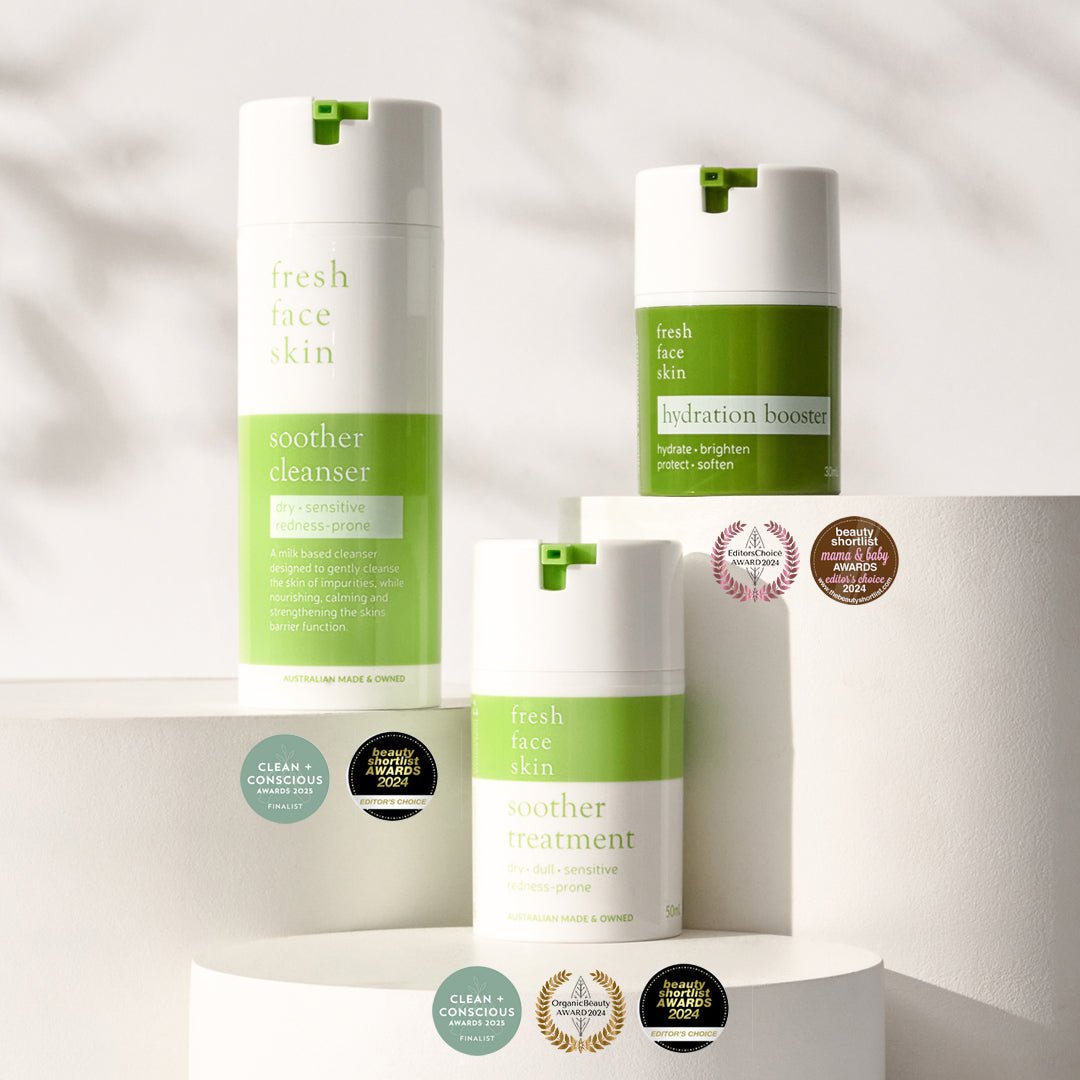
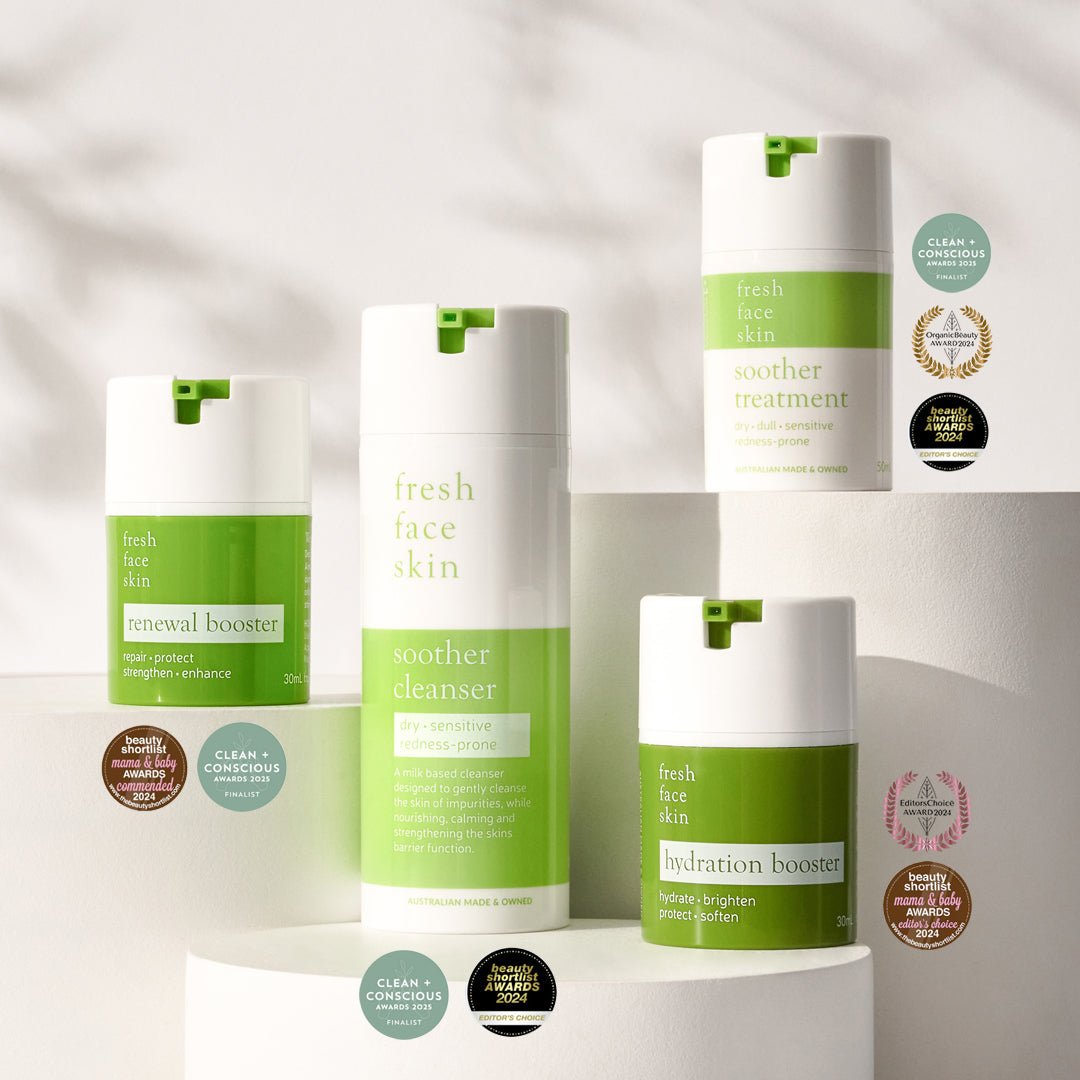
2. Apply Soother Treatment & a mineral zinc sunscreen before swimming
Oil-based products and zinc oxide form a protective physical barrier, reducing chlorine penetration and helping buffer the microbiome, while also calming surface irritation and inflammation.
3. Mist with Barrier Mist immediately after your swim
Our Barrier Mist delivers prebiotics, probiotics and postbiotics to help re-seed and rebalance the microbiome. It also hydrates, calms inflammation and helps reset the pH.

4. Post-swim, follow with your barrier-supportive products
Think: Soother Treatment, NightShield Complex, Hydration Booster anything that restores lipids, reduces inflammation and supports repair.
Swimming is great for the body and mind and you don’t need to avoid it. But understanding how chlorine affects your microbiome (and contributes to inflammatory skin flares) means you can protect your skin proactively, especially if you’re prone to inflammation or dryness.
A little pre-swim and post-swim care goes a long way in keeping your barrier strong, your microbiome diverse and your summer glow healthy long term.