Sun & Skin
The sun plays a huge role in our skin health, mood, and overall wellbeing. Yet it’s also one of the biggest contributors to premature ageing and preventable skin cancers. Finding that sweet spot between safe exposure and smart protection is key, especially here in Australia, where UV levels climb quickly.

Let’s break down healthy sun habits, how to support vitamin D safely, and what to keep an eye on when it comes to skin changes.
Why the Sun Matters for Your Body
Sunshine is essential for vitamin D production. Vitamin D supports bone health, immune function, hormone balance, mood, and skin healing. You want some sun exposure, you just want it done mindfully.
For most people, 5–10 minutes of direct sun on the arms and legs or stomach, outside peak UV times, is enough for daily vitamin D maintenance. This varies depending on skin tone, season, and location, but the goal remains the same: short, consistent bursts of sunshine without prolonged unprotected exposure.
The Benefits of Safe Sun Exposure
- Supports vitamin D production
- Boosts serotonin and improves mood
- Regulates circadian rhythm for better sleep
- Encourages healthy immune function
- Provides warmth and increases circulation
Sunlight is powerful and beneficial, when used wisely.
When to Avoid Unprotected Exposure
Unprotected skin should only be exposed when UV levels are low (generally early morning or late afternoon). In Australia, UV levels often sit above 3 for most of the day — meaning your skin is at risk of damage even if it doesn’t feel hot.
When UV is high, SPF is non-negotiable.
Signs you’ve had too much unprotected exposure include:
- Pinkness or warmth in the skin
- Tightness or dryness
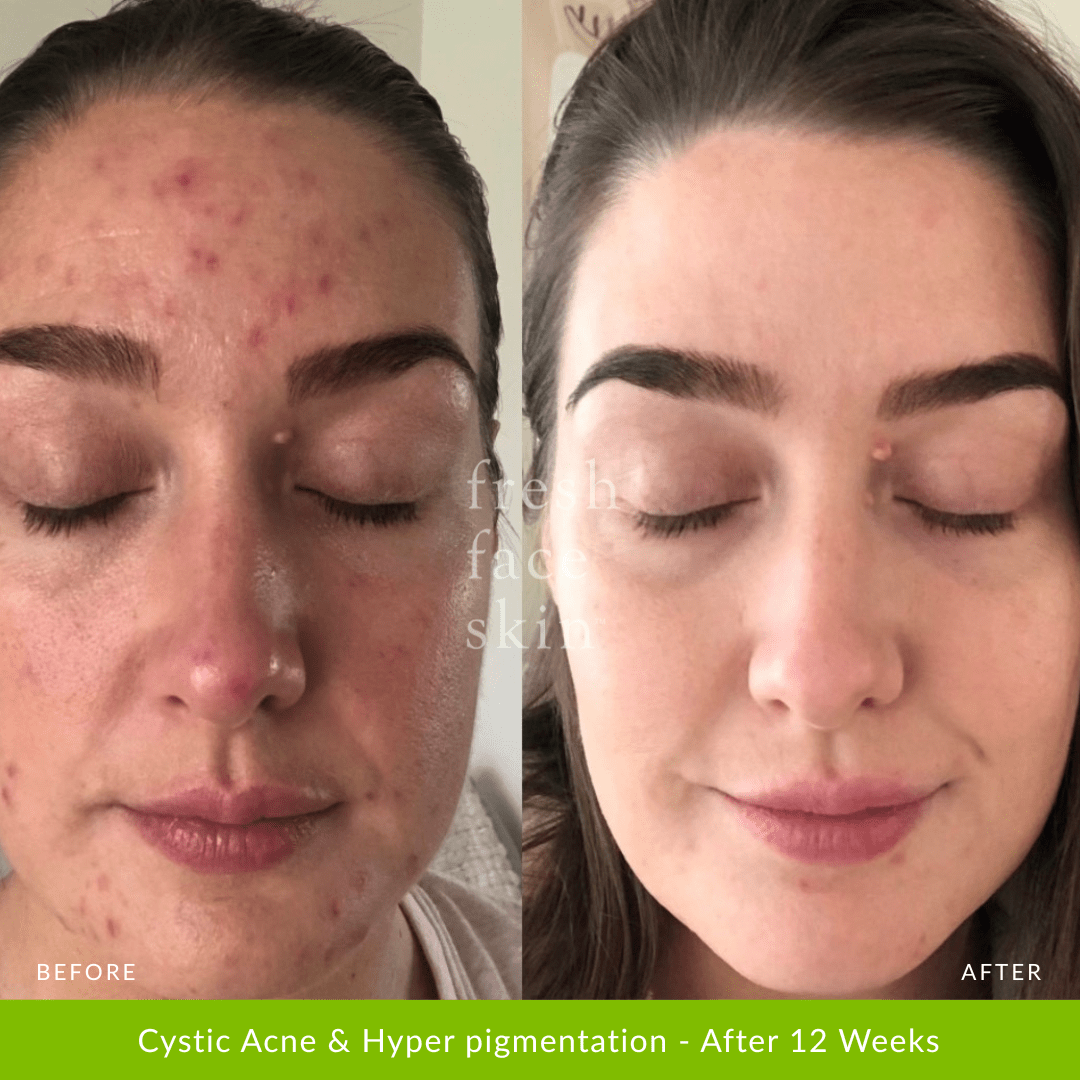
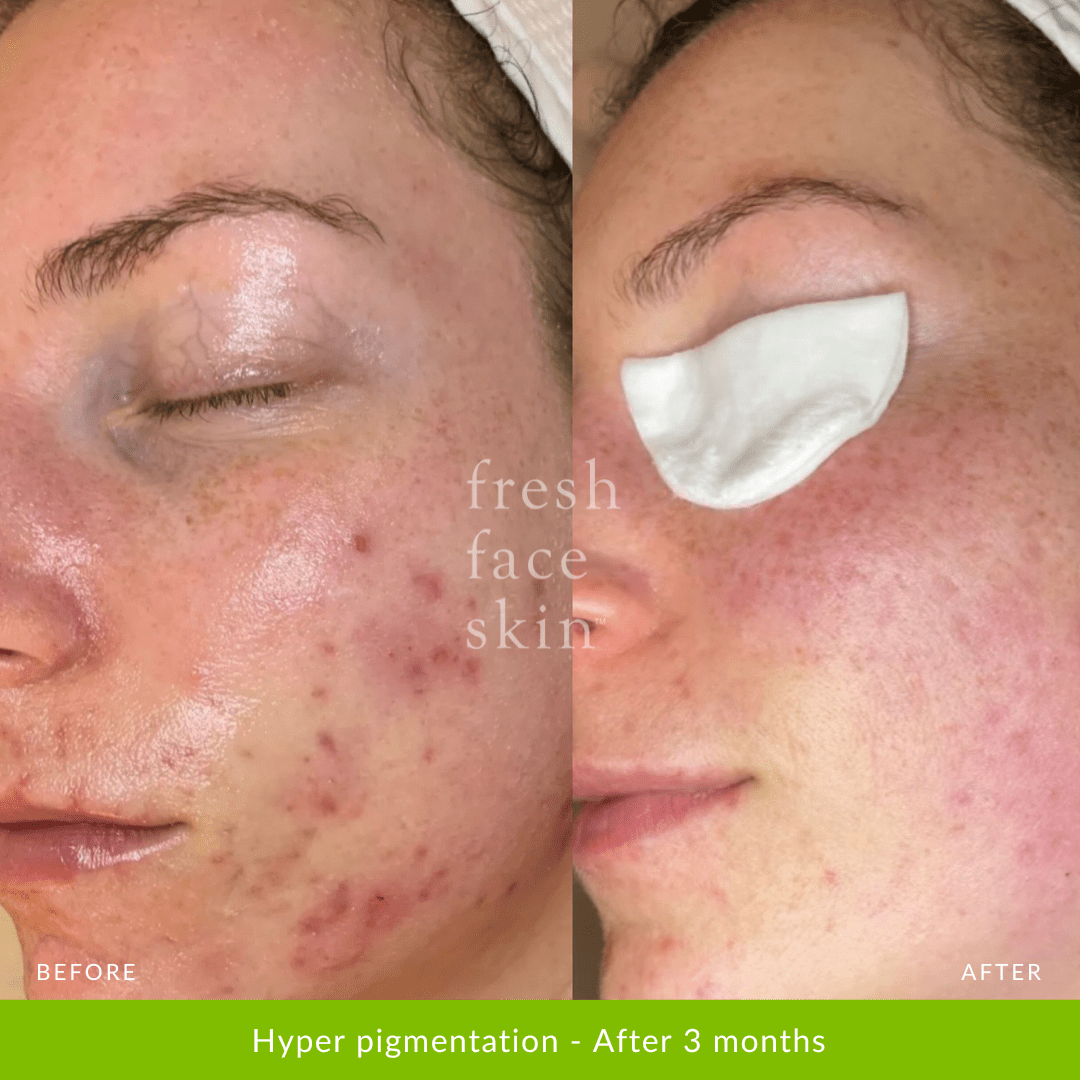
- New pigmentation patches
- Feeling drained after sun exposure
All signs that your barrier has taken a hit.
Mineral vs Chemical SPF: What’s the Difference?

Understanding how different sunscreens behave on the skin helps you choose what best supports your concerns.
Mineral (Physical) SPF
Mineral formulas use zinc oxide and/or titanium dioxide to sit on the skin’s surface and reflect UV rays and heat. Because they don’t absorb UV the same way chemical filters do, they’re a smarter choice when managing pigmentation, melasma, or uneven tone. Heat often triggers pigment and mineral SPF helps minimise that response.
Mineral SPF is ideal for:
- Pigmentation and melasma
- Sensitive or reactive skin
- Compromised or barrier-weakened skin
- Perioral dermatitis or eczema
- Post-treatment skin
- Anyone wanting low-irritation protection
Zinc is naturally soothing and anti-inflammatory, making it calming for redness and irritation.
Chemical SPF
Chemical formulas absorb UV rays, convert them into heat, and release that heat from the skin. They often feel lighter and blend invisibly, which many people love but that heat conversion can be a disadvantage for pigment-prone skin.
Chemical SPF suits:
- Normal, combination, or oily skin
- Deeper skin tones wanting an invisible finish
- Makeup wearers wanting a smooth base
- Those who prefer lightweight textures
Which One Should You Choose?
- Pigmentation, melasma, uneven tone: Mineral
- Sensitive or compromised skin: Mineral
- Normal–oily or makeup layering: Chemical
- Outdoor sport or sweating: Chemical often feels more breathable
- Post-treatment or repairing barrier: Mineral only
The best SPF is always the one your skin tolerates and feels comfortable using daily. When you enjoy wearing it, you’ll actually wear it which is the goal.
Skin Checks: What to Look For
Everyone regardless of age or skin type should monitor their skin regularly. Early detection saves lives.
- New spots or moles
- Changes to existing moles
- Spots that bleed, crust, or don’t heal
- Moles that become itchy, raised, or uneven
- Dark streaks under nails
- A mole that looks different from others
If something catches your attention, get it checked.
How Often Should You Have a Skin Check?
Most adults benefit from annual full-body skin checks. If you have a history of sunburns, many moles, or a family history of melanoma, schedule checks more frequently.
Sun in Balance
The sun isn’t the enemy it’s about respecting its strength. A brief morning dose for vitamin D, combined with daily SPF and awareness of your skin, gives you the benefits of sunshine without the consequences.
Healthy exposure. Smart protection. Confident skin year-round.

Our Top SPF Picks
Post-sunshine skin saviours:
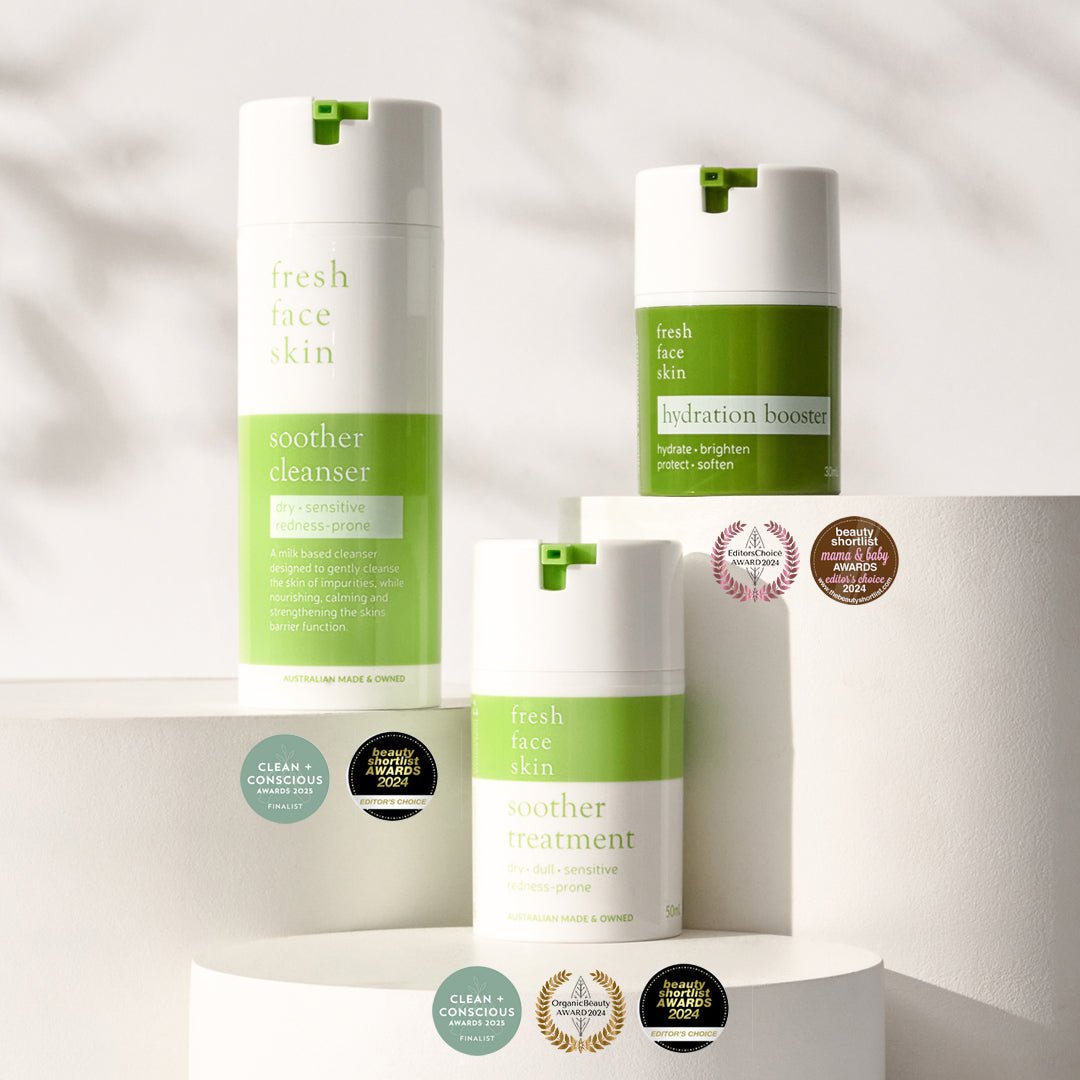
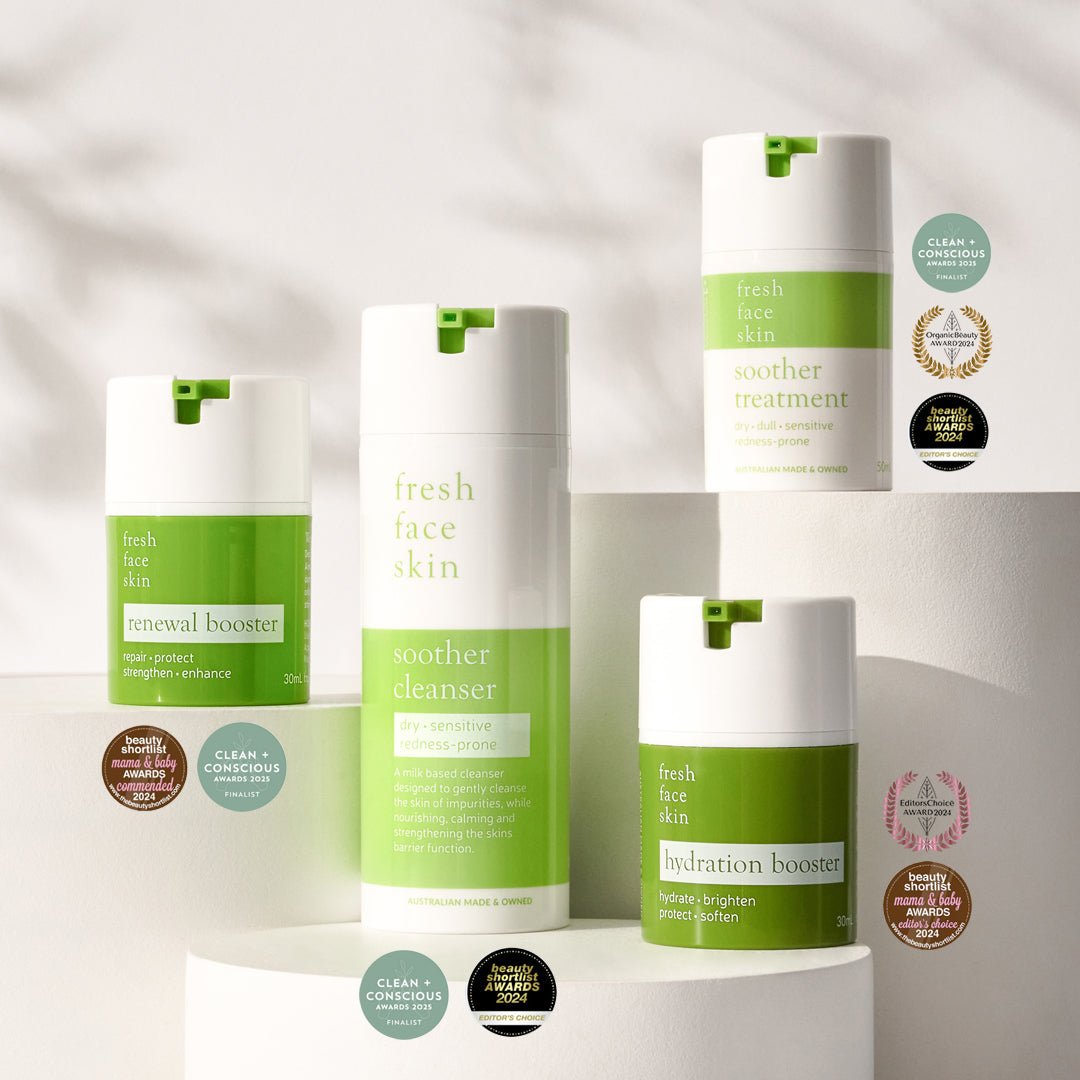
Fresh Face Skin Hydration Booster, Barrier Mist, Soother Treatment, Recovery Mask.
Keep your eyes peeled in 2026 for a Fresh Face Skin new addition… what could it be?
*General advice only, please seek your Doctors advice regarding skin checks and concerns