If you've been managing eczema with steroid creams, you may have wondered how you can better support your skin long-term.
Perhaps your flare-ups keep returning, your skin feels increasingly sensitive, or you're looking for a gentler approach to everyday skin maintenance.
Understanding how steroid creams work and the importance of your skin barrier is a great place to start.
How Do Steroid Creams Work?
Topical corticosteroids suppress inflammatory responses within the skin, helping reduce redness, itching and discomfort.
They also act as vasoconstrictors, meaning they narrow small blood vessels within the skin, contributing to a reduction in visible redness.
While generally safe and effective when used as prescribed, prolonged or excessive use, particularly of stronger steroids, may contribute to:
- Thinning and increased fragility of the skin.
- Impaired skin barrier function.
- Increased visibility of surface blood vessels.
- Withdrawal reactions following discontinuation.
However, Eczema Support Australia emphasises that untreated eczema can also damage the skin, making appropriate medical treatment, for highly inflamed eczema, important.
Understanding Topical Steroid Withdrawal (TSW)
Sometimes referred to as topical steroid addiction, TSW is an adverse reaction associated particularly with prolonged, frequent use of stronger topical corticosteroids. It is not the same as conventional drug addiction.
According to DermNet, proposed mechanisms include changes in the skin's inflammatory responses, barrier disruption and rebound vasodilation, where blood vessels widen following steroid discontinuation.
Symptoms may include intense burning, swelling, peeling and redness extending beyond the original treatment area.
The Medicines and Healthcare products Regulatory Agency (MHRA) recommends seeking medical advice if these symptoms develop.
Recurring eczema does not necessarily indicate withdrawal. Always discuss concerns with your GP, dermatologist or qualified dermal clinician, before changing your treatment.
6 Ways to Support Your Skin Barrier Naturally
At Fresh Face Skin, our philosophy is centred around using naturally derived formulations to support the skin's protective functions and long-term barrier health. We believe consistent, gentle skincare plays an important role in supporting eczema-prone skin, not just during flare-ups, but every day.

Eczema-prone skin often struggles to retain moisture and protect itself against external irritants, which is why supporting its protective lipids, microbiome and barrier function is so important.
While our focus is on natural skincare, we recognise and respect the importance of medical intervention, particularly when eczema is persistently inflamed or experiencing prolonged flare-ups.
The Australasian Society of Clinical Immunology and Allergy (ASCIA) recommends regular moisturising, avoiding irritants and using prescribed treatments when required.
Our approach is to work alongside medical care, prioritising gentle, well-tolerated formulations that support long-term skin health, moisture retention and barrier resilience.
1. Cleanse Without Stripping
Avoid harsh soaps and hot water. Keep showers short and lukewarm, and choose gentle, fragrance-free cleansers to minimise unnecessary irritation.

2. Prioritise Lipids Before Introducing Additional Hydration
When eczema is actively inflamed and hypersensitive, the priority is to nourish and protect the skin's compromised barrier. Even hydrating serums can cause stinging or discomfort when barrier function is impaired and the skin is in an inflamed state.
Focus on simplifying your routine and supporting the skin's protective lipids, including fatty acids, ceramides and cholesterol, to help minimise moisture loss and protect against external irritants.
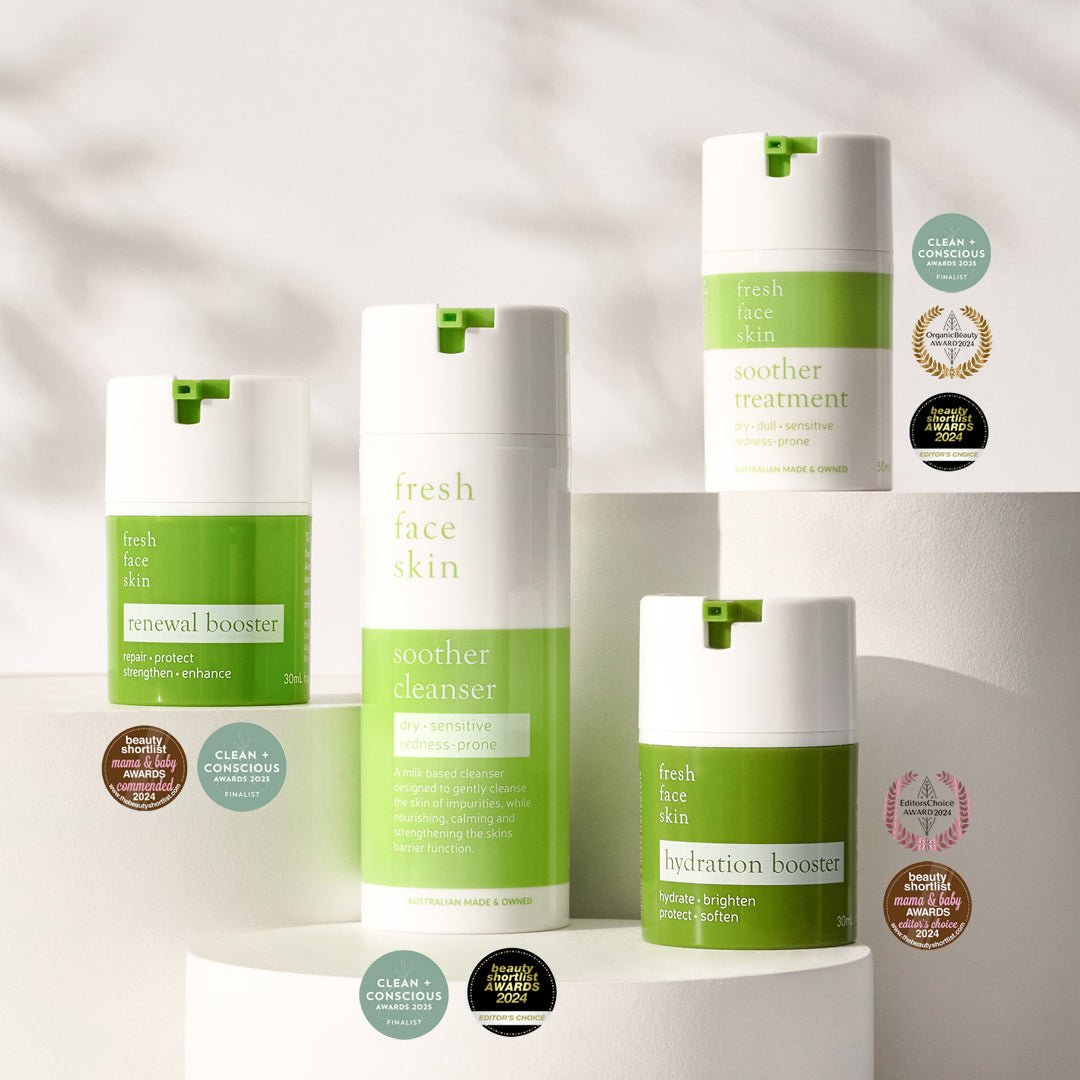
Our Ultra Sensitive Skin Pack, containing our oil-based Soother Pre-Cleanse and Soother Treatment, offers a simplified, lipid-focused approach where suitable for your skin.
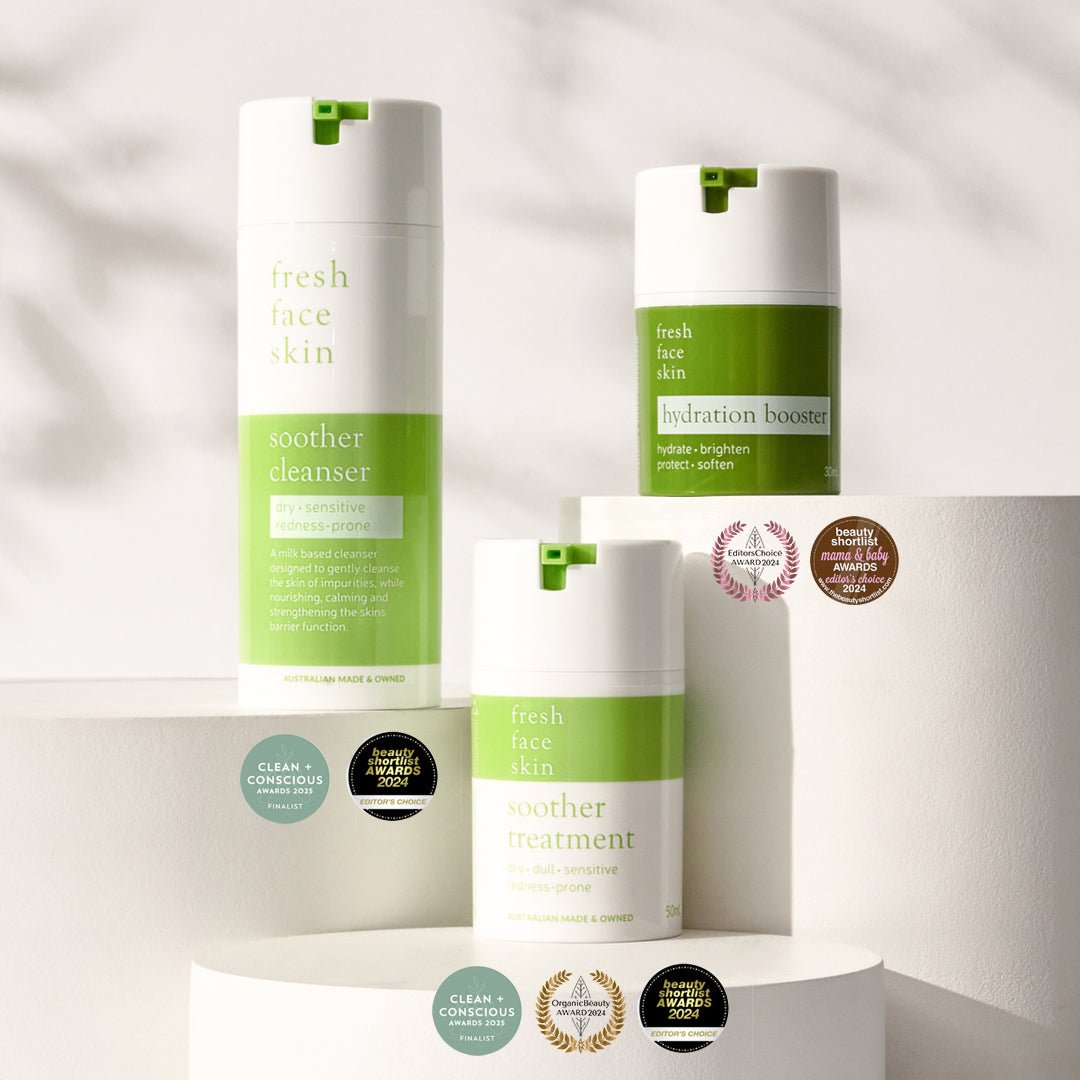
As the skin becomes calmer and less reactive, gradually introduce additional hydration support through ingredients such as hyaluronic acid and niacinamide, found in our Hydration Booster.
The goal is to support the skin's ability to retain moisture first - via oil-based products, before introducing additional hydrating products that the skin may not yet comfortably tolerate.
3. Support Your Skin's Protective Lipids
Your skin barrier is made up of multiple layers of skin cells, held together by a protective matrix of lipids, including ceramides, cholesterol and fatty acids.
These lipids work together to retain moisture, protect against external irritants and maintain the integrity of the skin barrier. When depleted, the skin becomes more vulnerable to moisture loss, dryness and sensitivity.
Our Soother Treatment provides nourishing lipids to help replenish moisture and reduce moisture loss, while our Recovery Mask combines hydrating, nourishing and microbiome-supportive ingredients to support overall barrier health.
Consistent lipid and moisture support is particularly important for eczema-prone skin. Introduce products when the skin is stable and avoid exfoliating formulations, including our Recovery Mask, during active flare-ups.
4. Identify Your Environmental Triggers
Keep a skin diary to track potential triggers, including heat, sweating, fragrances, laundry detergents and seasonal changes.
Understanding your individual triggers can help you make more informed skincare and lifestyle decisions.
5. Avoid Overstimulating Your Skin
When your skin is inflamed, less is more. Keep your skincare routine simple and avoid exfoliating acids, retinoids, facial scrubs and intensive skin treatments during flare-ups.
Instead, focus on replenishing protective lipids, supporting the skin's microbiome and incorporating soothing ingredients such as vitamin B5 (panthenol) to help calm discomfort and support barrier recovery.
A clean, cool compress may also help temporarily relieve heat, itching and discomfort.
Remember, natural doesn't automatically mean suitable for eczema-prone skin. Be mindful of fragranced formulations, including those containing essential oils, and prioritise fragrance-free, barrier-supportive skincare while your skin is inflamed.
6. Support Your Skin's Lipids From Within
Supporting your skin barrier isn't just about what you apply topically. Omega-3 essential fatty acids play an important role in maintaining healthy cell membranes and supporting the skin's natural lipid barrier.

Consistently taking a high-quality omega-3 supplement, such as our favourite, Nordic Naturals Ultimate Omega, can help support skin health from within.
Adequate omega-3 intake may help support moisture retention, barrier function and the skin's inflammatory balance.
While omega-3 supplementation can complement a barrier-supportive skincare routine, evidence for its effectiveness in managing eczema remains limited. Speak with your healthcare professional to ensure supplementation is suitable for you.
Amelia's Perspective: Support Your Skin Beyond the Flare-Up
"As a qualified Dermal Therapist, I'm passionate about helping people better understand their skin, what it's needing and why. When working with eczema-prone skin, my focus is always on simplifying skincare, supporting the skin's natural protective functions and building long-term barrier health, rather than just addressing the symptoms when they appear.
Through our complimentary online skin consultations, my team and I can help you feel more confident in how you're caring for your skin at home, alongside any medical treatment you may require.
For me, it's about giving your skin the consistent support it needs, not just during a flare-up, but every single day."
- Amelia Goff, Founder of Fresh Face Skin & Dermal Therapist
Medical disclaimer: This article is for educational purposes only. Always consult your GP or dermatologist before reducing or discontinuing prescribed steroid creams.