Have you ever noticed your skin breaking out before a big event, becoming more sensitive during a stressful week, or looking dull when life feels overwhelming?
If so, you're not imagining it.
Stress can have a significant impact on your skin. While your skincare routine certainly plays a role, healthy skin is about much more than the products you apply. Your skin is your body's largest organ and is often one of the first places internal stress shows itself.
Understanding the connection between stress, cortisol, inflammation and your skin barrier can help you support your skin from the inside out.
Can Stress Cause Acne and Breakouts?
One of the most common questions we hear is, "Can stress cause acne?"
The answer is yes.
When you're stressed, your body releases a hormone called cortisol. Cortisol is essential in short bursts, helping us respond to challenges, but when stress becomes ongoing, long-term elevated cortisol levels can influence the skin in several ways.
Long-term higher cortisol levels may:

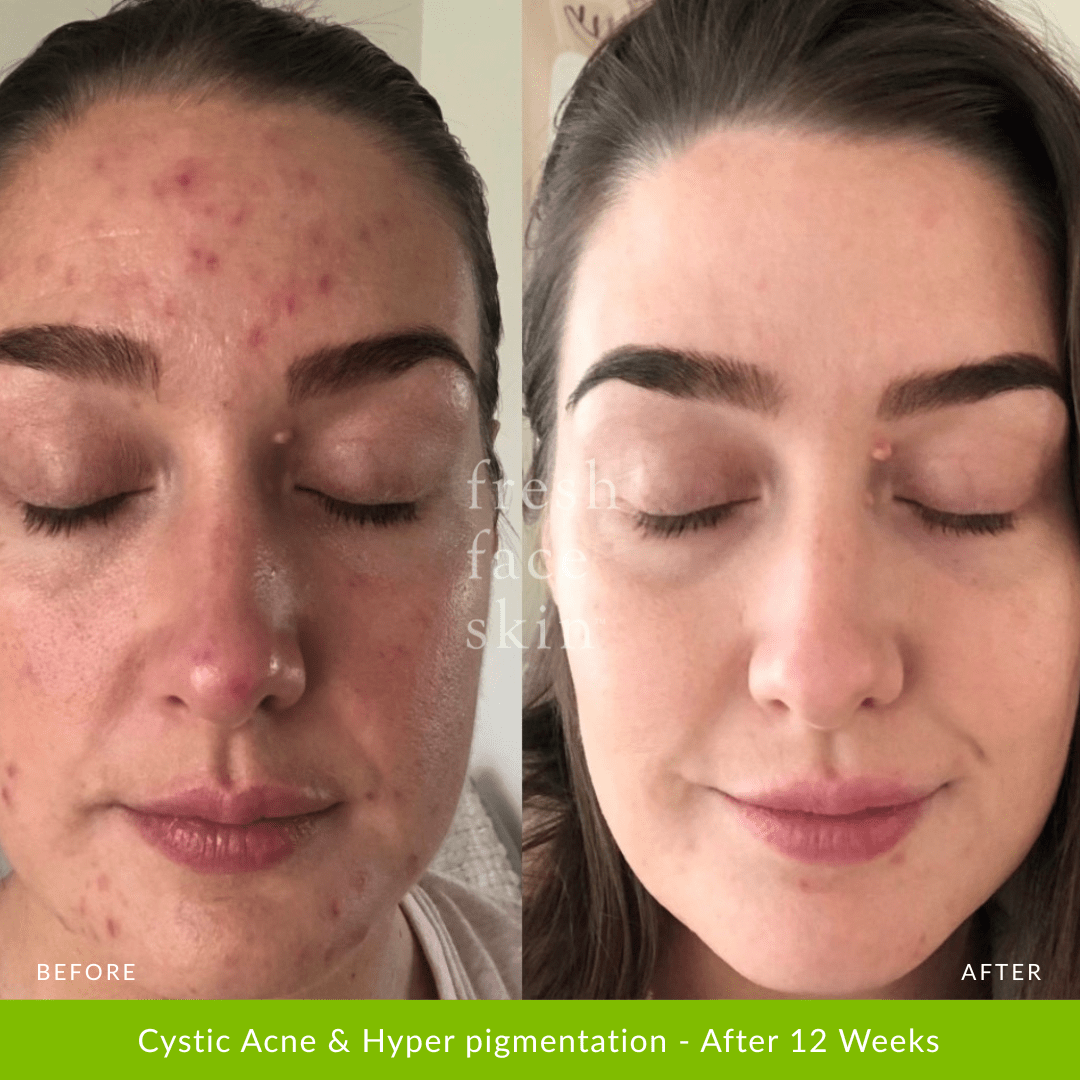
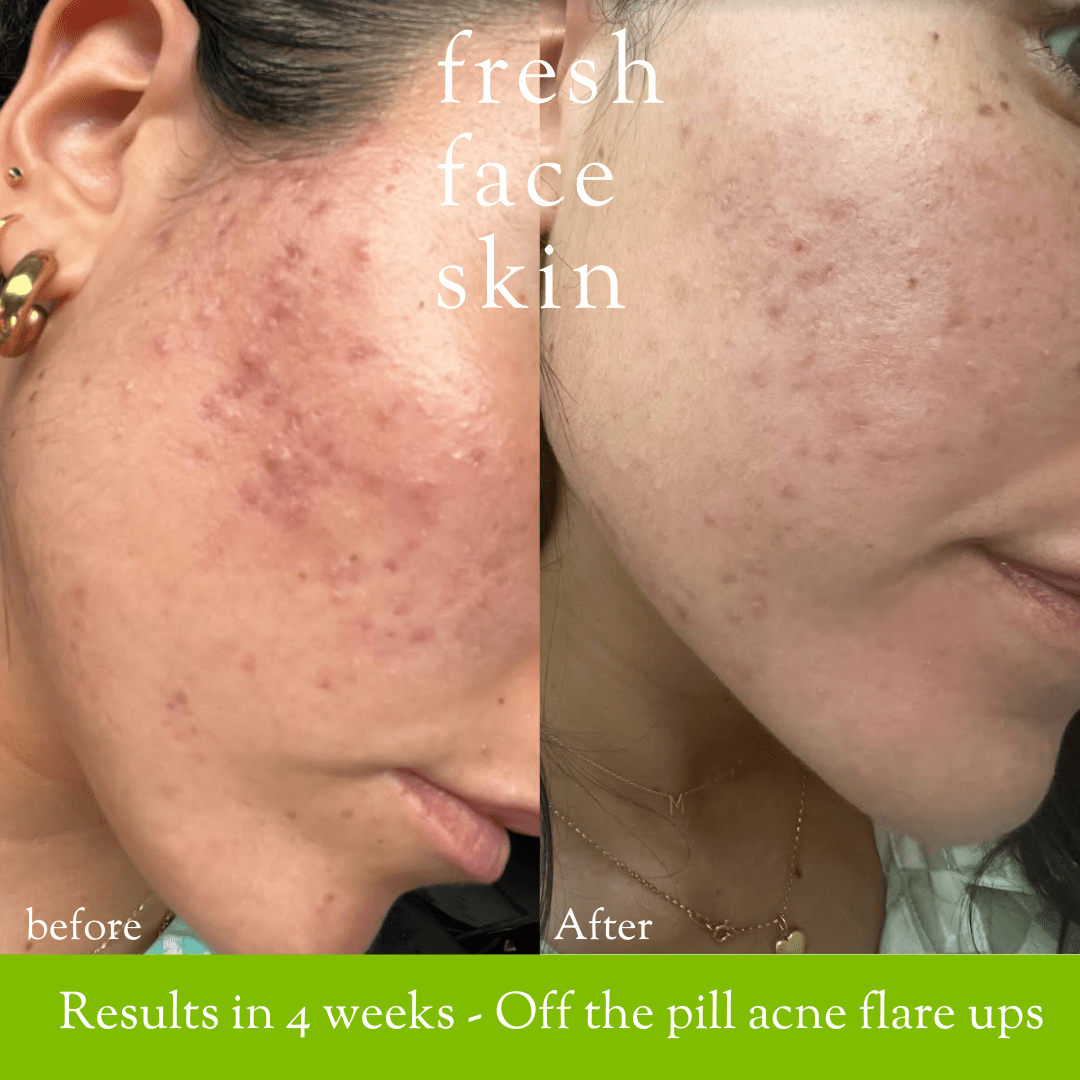
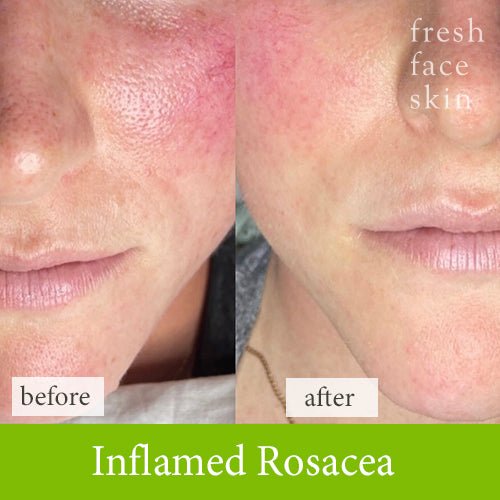
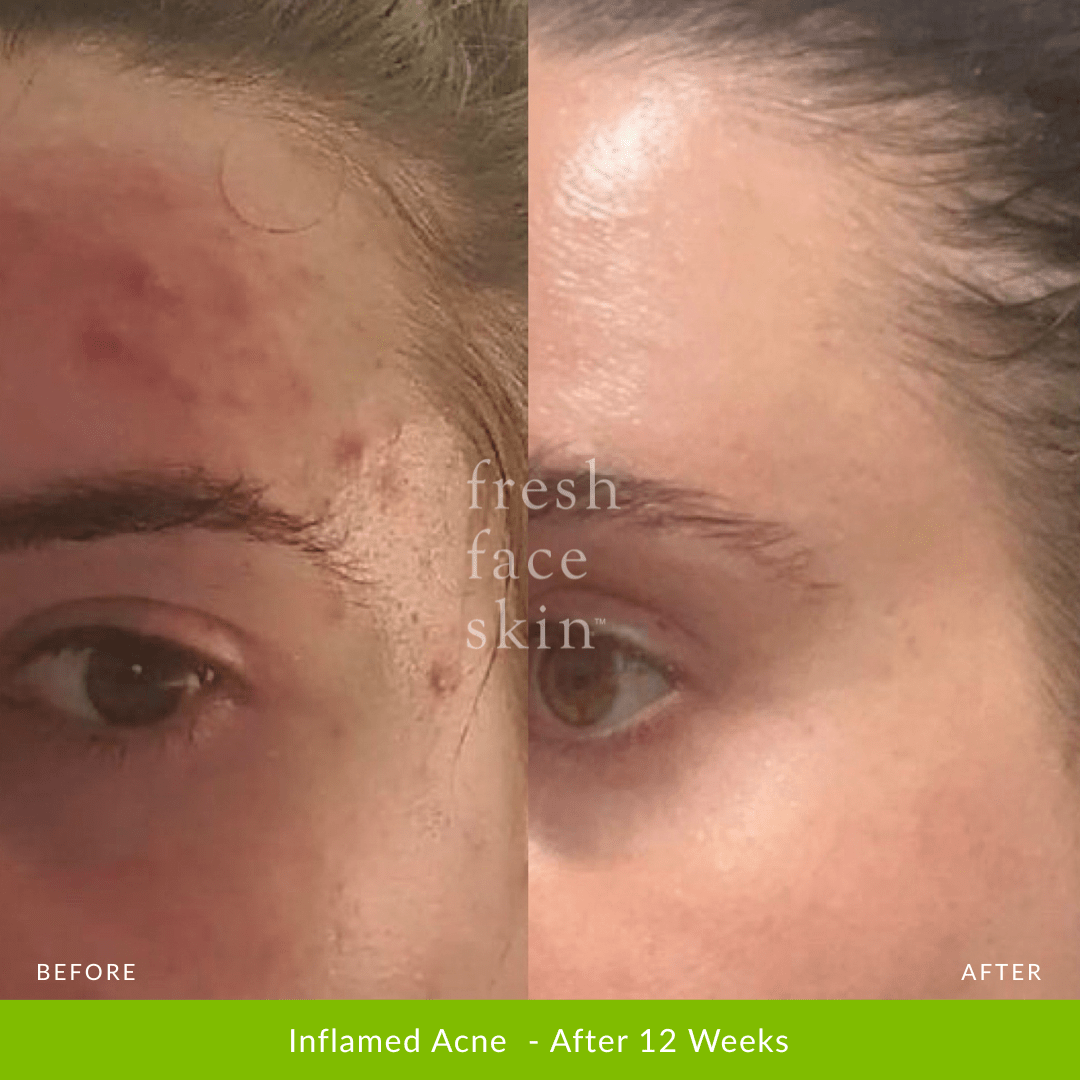
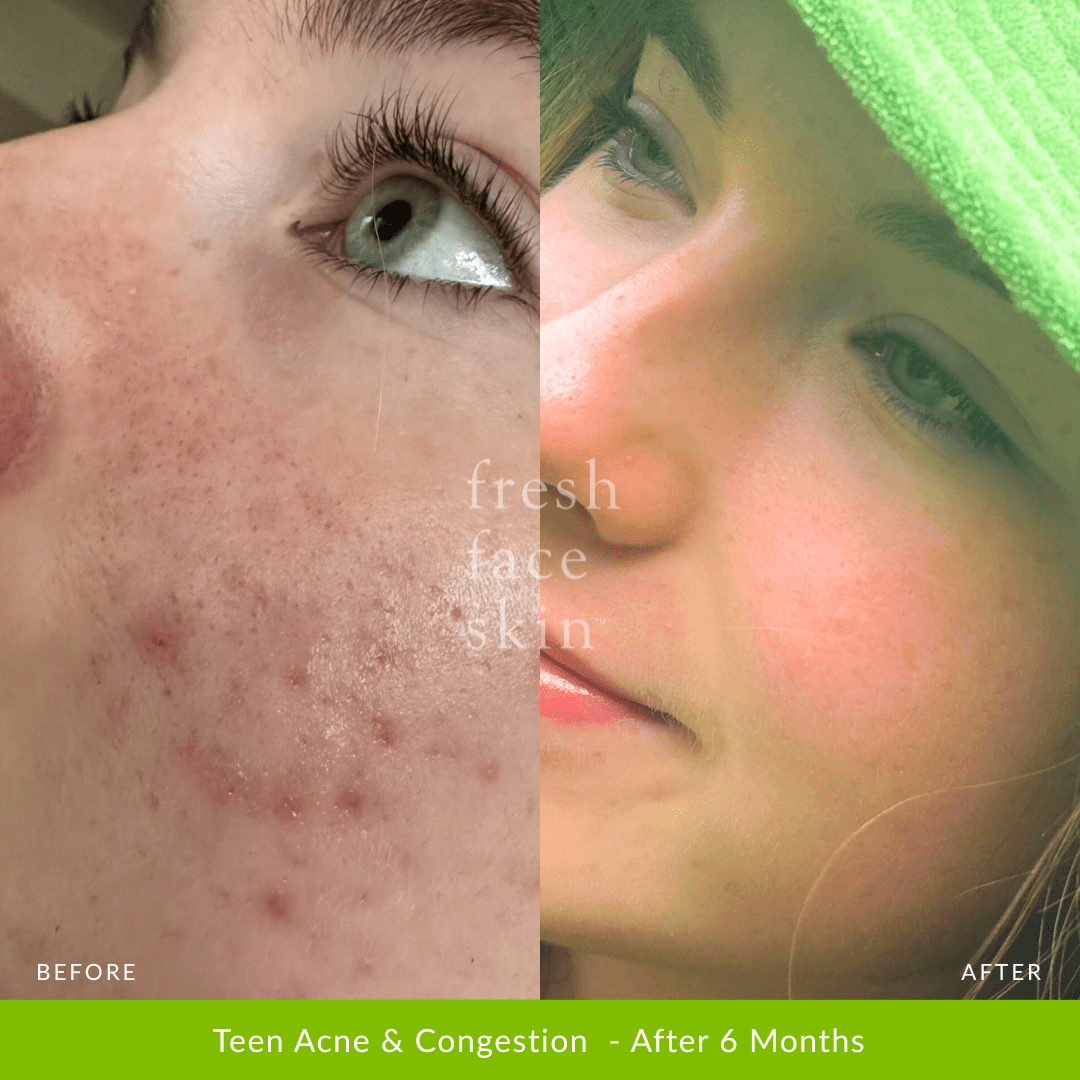
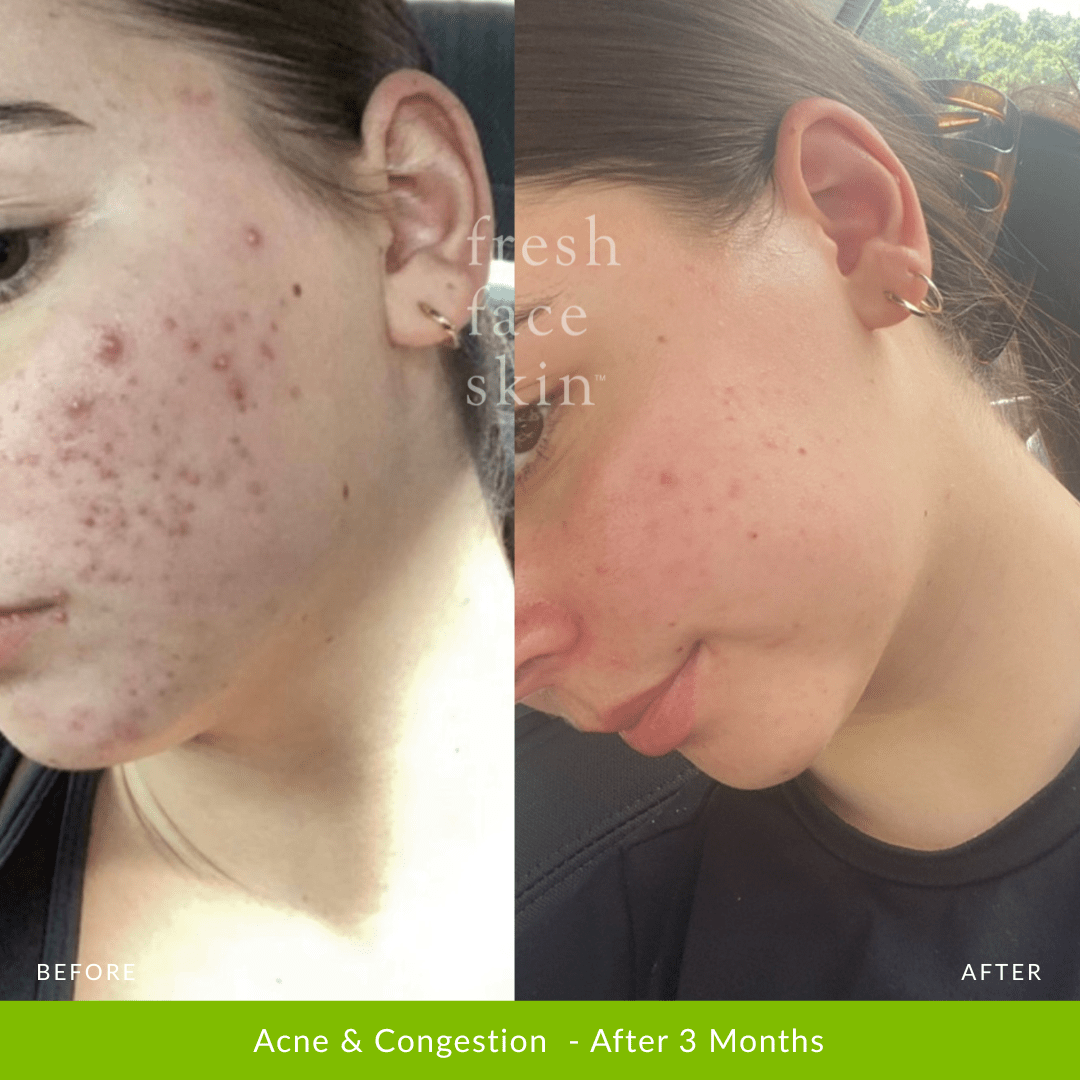
This is why periods of stress can often trigger acne and breakouts, congestion or flare-ups of inflammatory skin conditions such as eczema, dermatitis and rosacea.
What Does Cortisol Do to Your Skin?
Cortisol is often referred to as the body's "stress hormone."
When cortisol remains elevated for extended periods, the skin may struggle to function as efficiently as it should. Instead of focusing on repair and regeneration, the body shifts its energy towards managing stress.

Can Stress Damage Your Skin Barrier?
Absolutely.
Your skin barrier is responsible for locking hydration into the skin while protecting it from bacteria, pollutants and environmental irritants.
When stress levels remain high, research has shown that the skin barrier may take longer to repair itself. This leaves your skin more vulnerable to moisture loss and irritation.
Signs your skin barrier may be impaired include:
- Tightness after cleansing (often a sign it's time to switch to a gentler cleanser)
- Skin that stings when products are applied, even gentle ones
- Dry, flaky patches
- Persistent redness
- Increased sensitivity
- More frequent breakouts
This is why, during stressful periods, it's often better to simplify your routine rather than adding more active ingredients. Supporting your skin barrier allows your skin to recover more effectively.
Does Poor Sleep Affect Your Skin?
Sleep is one of the most important parts of healthy skin.
While you sleep, your body repairs damaged skin cells, strengthens the skin barrier and helps regulate inflammation. Poor-quality sleep can interrupt this healing process, leaving your skin looking and feeling less resilient.
A lack of sleep may contribute to:
- Dull skin
- Slower healing
- Increased dehydration
- Fine lines appearing more noticeable
- Puffiness and dark circles
Although skincare products are important, they can only do so much if your body isn't getting the opportunity to recover.
How Can You Reduce Stress-Related Skin Problems?
Supporting your skin starts with supporting your body.

Some simple ways to help include:
- Prioritise 7-9 hours of quality sleep each night.
- Stay well hydrated throughout the day.
- Eat a diet rich in colourful fruits, vegetables and healthy fats, while limiting highly processed foods and excess sugar.
- Move your body regularly, even if it's just a daily walk.
- Practice stress-management techniques that work for you, such as deep breathing, mindfulness or journaling.
- Avoid over-exfoliating or introducing too many active ingredients when your skin feels reactive.
- Focus on nourishing and strengthening your skin barrier with gentle, supportive skincare designed for dehydrated, stressed and barrier-impaired skin.
Often, the best results come from consistency rather than complexity.
Healthy Skin Starts From Within
At Fresh Face Skin, we believe healthy skin is built from both the inside and the outside.

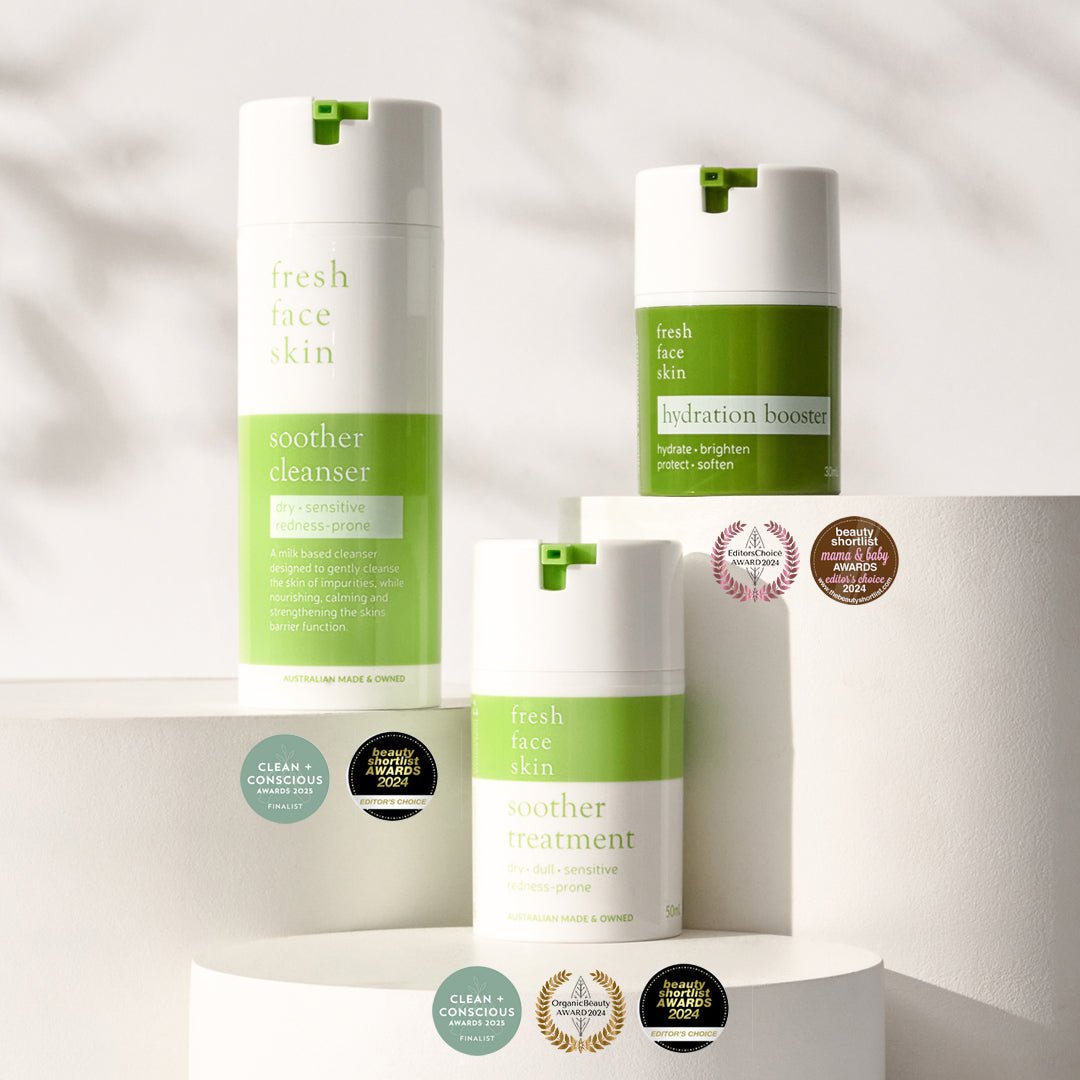
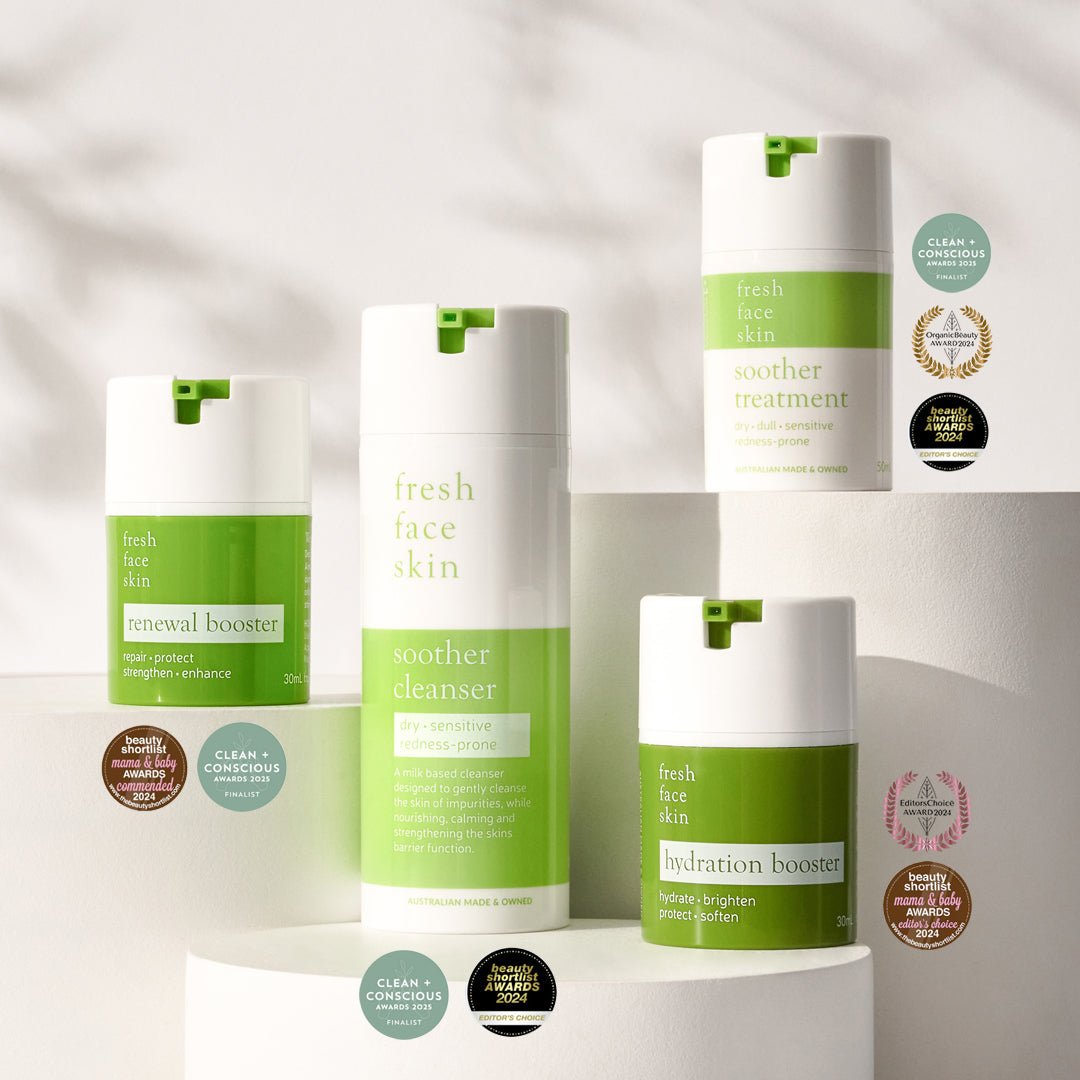
A simple, consistent skincare routine, including barrier-supportive products like Soother Treatment, can support your skin barrier, but it's equally important to consider what's happening internally. Chronic stress, poor sleep and ongoing inflammation can all influence how your skin looks and feels over time.
If your skin has become more reactive or sensitive or prone to breakouts during a stressful period, try not to panic. Instead of reaching for stronger products, take a step back and view these external signs as your skin trying to tell you something. Support your skin as you support your overall wellbeing.
When your body is given the opportunity to recover, your skin often follows.