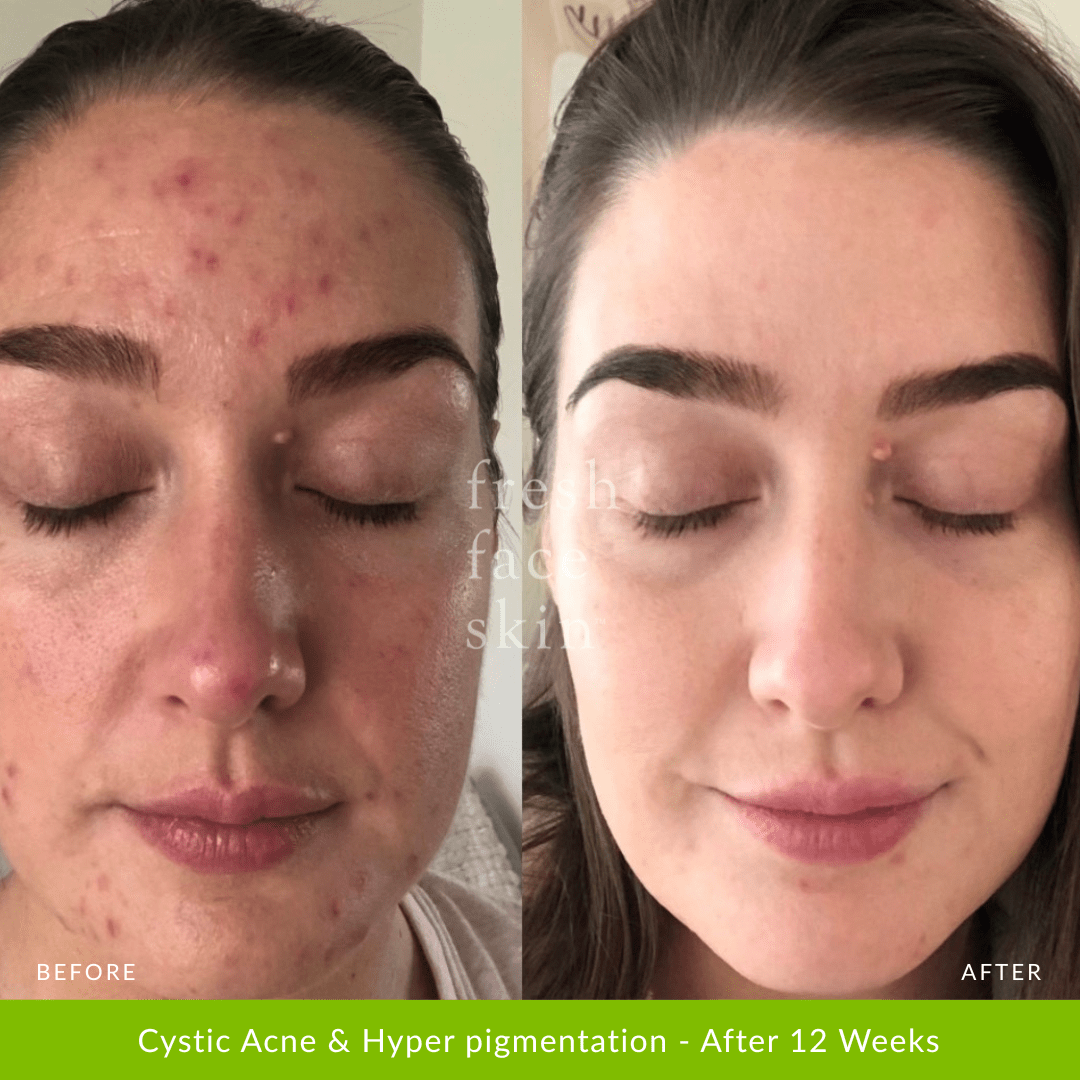
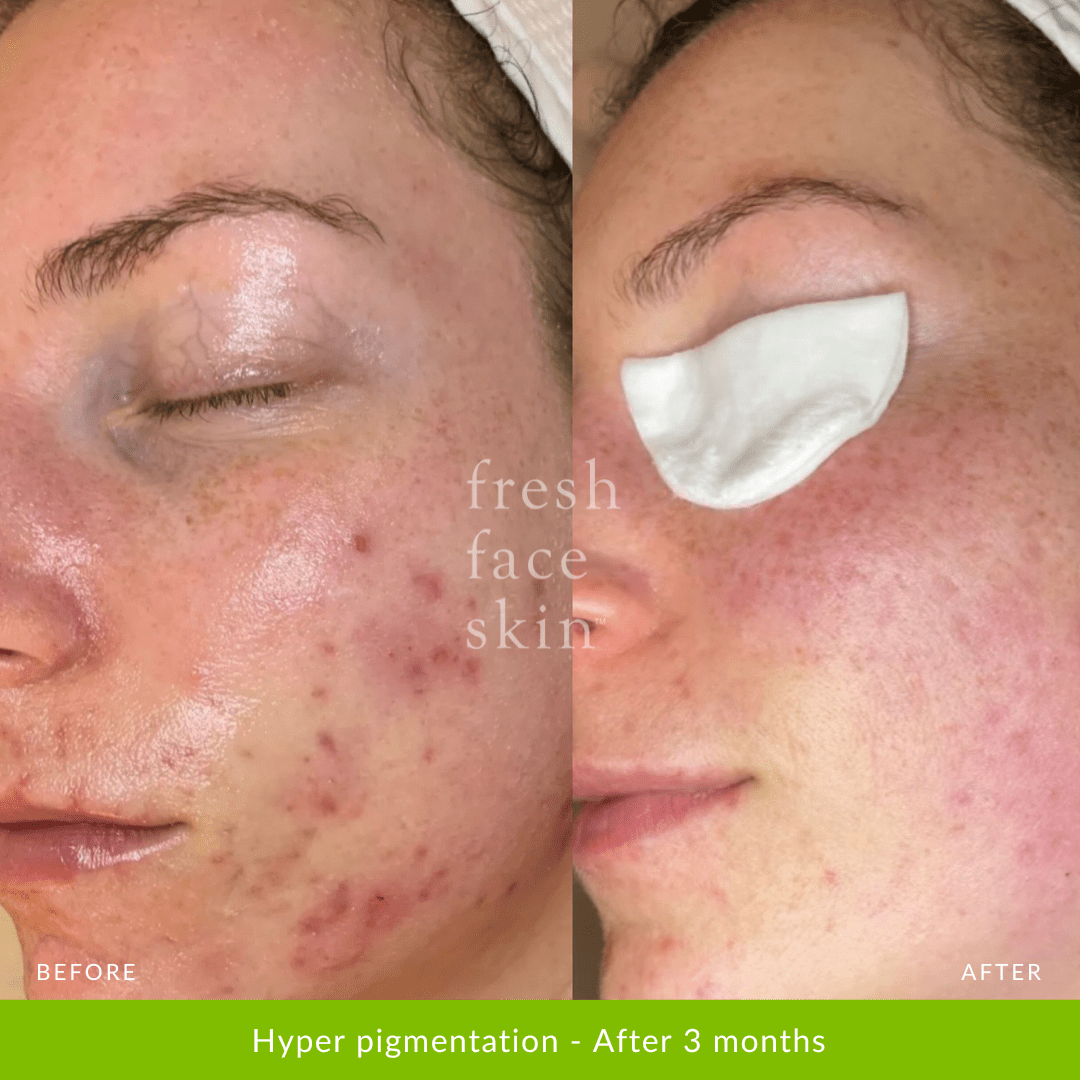
If you're struggling with breakouts during winter, you're not alone.
Many people assume acne improves during the cooler months because they feel less oily, but in reality, winter can create the perfect environment for congestion, inflammation and ongoing breakouts.
At Fresh Face Skin, we often see acne-prone skin become more reactive, dehydrated and inflamed throughout winter.
The challenge is that many people respond by using stronger acne products, harsher cleansers and more active ingredients - when their skin usually is asking for the opposite.

Let's explore why acne can worsen during winter and what your skin may need instead.
Why Does My Acne Get Worse in Winter?
Winter places additional stress on the skin.
Cold outdoor temperatures, lower humidity, indoor heating, hot showers and reduced moisture in the air can all contribute to increased water loss from the skin.
As hydration levels drop, the skin barrier can become impaired.
When this happens, the skin may experience:
- Increased dehydration
- Redness and inflammation
- Sensitivity
- Tightness
- Slower healing
- Increased reactivity
At the same time, the skin can still produce oil.
This often creates a confusing situation where the skin feels dry on the surface but remains congested underneath.
Can Dehydrated Skin Cause Acne?
Yes.
Dehydrated skin and acne often occur together.
When the skin lacks water, its natural cell cycle and shedding slows down - meaning more old skin cells accumulate more easily on the surface, while delaying overall skin function and healing time. This can contribute to blocked pores, congestion and trapped oil.

Dehydration will also go hand-in-hand with an impaired skin barrier - as hydration creates part of our barrier health. This may also increase inflammation within the skin, making breakouts appear redder, angrier and slower to heal.
This is one of the reasons acne can feel more stubborn during winter.
The skin is not only managing congestion - it is also trying to cope with environmental stress.
One of the most common misconceptions we see is assuming oily skin cannot be dehydrated. Understanding the difference between dry and dehydrated skin can be one of the most important steps in creating a routine that truly supports acne-prone skin.
Why Does Winter Affect the Skin Barrier?
Your skin barrier is your skin's protective layer.
Its role is to help keep hydration inside the skin while protecting it from external irritants and environmental stressors.
During winter, the barrier is exposed to:
- Cold outdoor air
- Indoor heating
- Wind exposure
- Lower humidity
- Hot showers
When the barrier becomes compromised, the skin loses moisture more easily and oil can often increase - in an aim to compensate to its environment. This causes the skin to become more vulnerable to irritation and inflammation.

For acne-prone skin, this can create a cycle where the skin feels both dry, oily and breakout-prone at the same time. If this sounds familiar, you may also find our blog on how to repair a damaged skin barrier helpful.
Should I Stop Using Acne Products in Winter?
Not necessarily.
However, winter is often a time to reassess whether your routine is supporting your skin or simply trying to attack the breakout, for a short-term result.
Check in with your skin - how is it feeling when you apply your products?
Does it feel tight? Does it feel hot or tingly? Does it burn at all? Does your skin flush?
These are all signs your barrier is struggling and these products are not supporting it.
Many traditional acne products focus on stripping oil from the skin.
While this may temporarily reduce surface oiliness and dry out the breakout, excessive stripping can place further stress on an already compromised skin barrier.
This may lead to:
- Increased sensitivity
- More redness
- Delayed healing
- Increased inflammation
- Greater dehydration
- Ongoing barrier impairment
The goal should not be to remove all oil from the skin.
The goal should be to create a stronger, healthier skin environment that supports healing and balance. If your skin is stinging, flushing or feeling reactive, this may be a sign of barrier burnout.
What Skincare Should I Use for Acne During Winter?
Winter acne often responds best to a barrier-first approach.
Focus on:
- Gentle Cleansing - using a milk or oil based cleanser - that supports the skin barrier while effectively removing daily build-up.
Avoid harsh gel based cleansers that leave the skin feeling tight or stripped.
- Hydration Support - Hydrated skin functions more efficiently.
Look for ingredients that support water content within the skin and help reduce dehydration. Think hyaluronic acid, glycerin, ceramides and aloe vera.
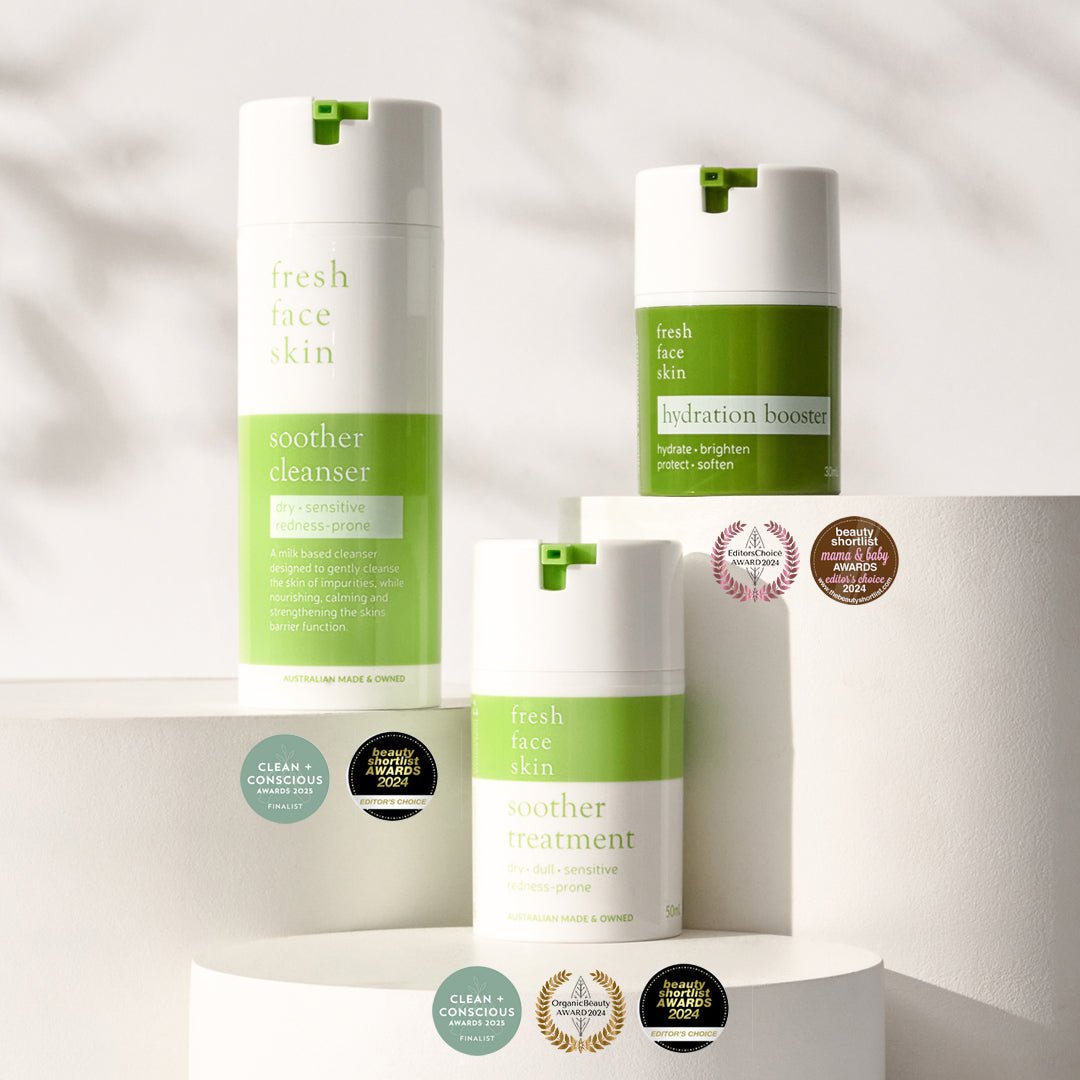
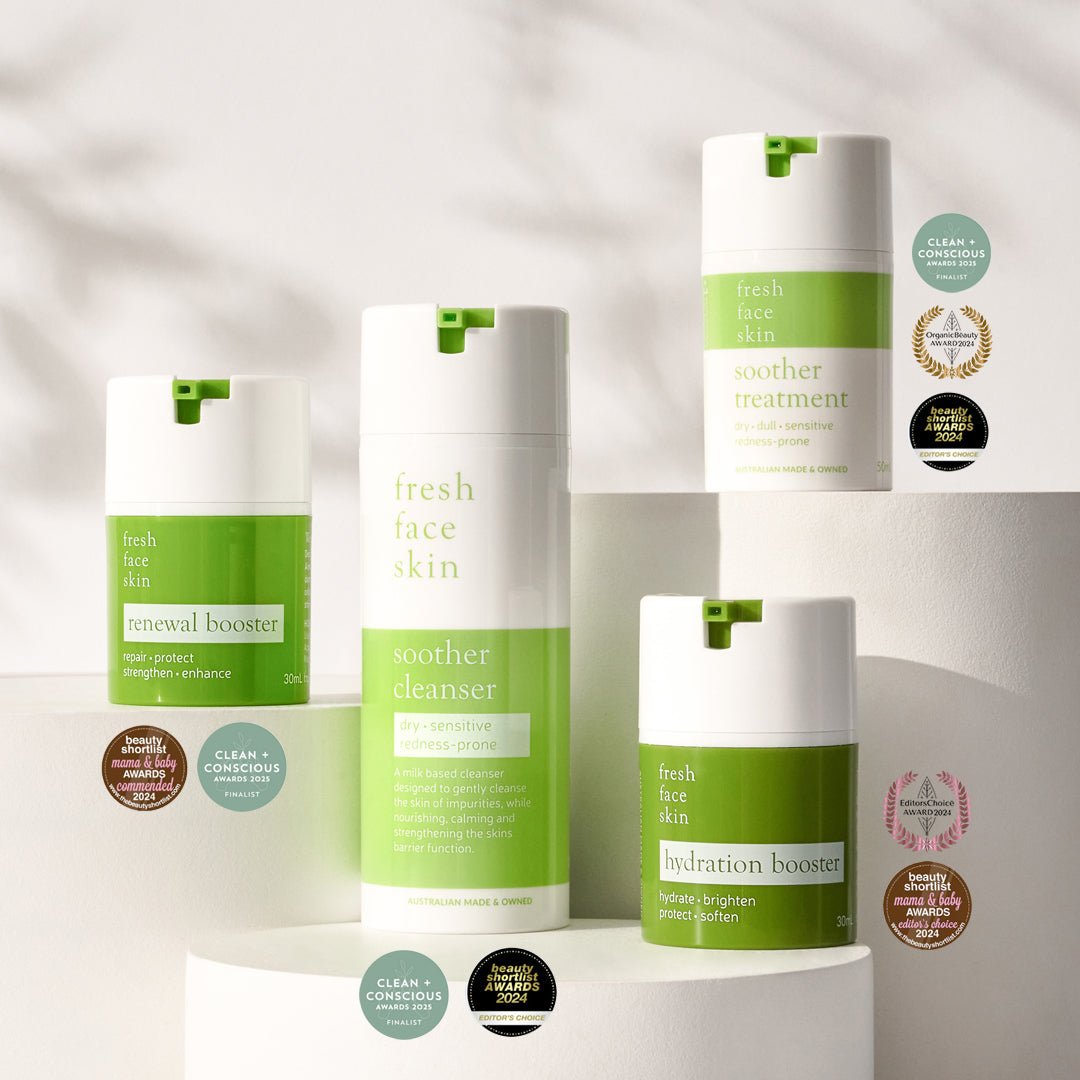
For those wanting a simple, hydration-focused routine, our Hydrate Me Starter Pack can be a gentle place to start. Designed to support gentle cleansing, hydration and nourishment, it helps strengthen the foundations of healthy skin without overwhelming it.

- Barrier Support - A healthy skin barrier helps reduce inflammation, improve resilience and support skin recovery.
Barrier-supportive ingredients may include:
- Hyaluronic Acid
- Ceramides
- Essential fatty acids
- Prebiotics
- Probiotics
- Amino acids
- Calming botanicals such as calendula and chamomile
For skin that feels dry, inflamed, sensitive or reactive, our Skin Barrier Repair Pack has been designed to help support and strengthen the skin barrier while encouraging a calmer, more comfortable complexion.

- Targeted Breakout Support - Rather than aggressively treating the entire face, consider targeted support for areas of active congestion while maintaining hydration and barrier health throughout the rest of the skin.
- Consistency - One of the biggest mistakes we see is constantly changing products.
Skin often responds best to consistency, patience and a routine designed around supporting overall barrier health and skin function.
Can Hydration Help Reduce Acne?
Hydration alone does not cure acne.
However, hydration can play a significant role in supporting a healthy, balanced skin function - helping to reduce inflammation and support healthy healing.
When the skin is properly hydrated, it is often:
- Less reactive
- More resilient
- Better able to heal
- Less prone to irritation
- Better equipped to tolerate active ingredients
Many acne-prone skins are actually both congested and dehydrated at the same time.
Addressing hydration may help create a healthier foundation for long-term skin improvement.
Addressing hydration may help create a healthier foundation for long-term skin improvement.
If hydration is a key focus in your routine, our Hydration Booster has been formulated to support water content in the skin without feeling heavy or overwhelming.
The Winter Acne Mistake We See Most Often
The most common mistake we see during winter is increasing active ingredients when the skin is already struggling.
More exfoliation.
More acids.
More spot treatments.
More stripping products.
Often, the skin doesn't need more correction.
It needs more nurturing and support.
When we help calm inflammation, improve hydration and strengthen the skin barrier, the skin is often able to function more effectively and respond better to targeted acne support.
If your skin feels inflamed, reactive or overwhelmed, adding a calming treatment such as our Recovery Mask may help support comfort and barrier recovery.
Acne Support Starts With Skin Health
At Fresh Face Skin, we believe acne management should focus on listening and supporting the skin rather than fighting against it.
Winter is often the perfect time to simplify your routine, focus on hydration, strengthen your skin barrier and reduce unnecessary stress on the skin.
It can be a time to strip back the routine and be more simple.
If your skin is breaking out but also feeling dry, tight, inflamed or reactive, starting with hydration and barrier support can be a helpful first step.
Our Hydrate Me Starter Pack and Skin Barrier Repair Pack have both been designed to support the skin back to a calmer, more balanced state without overcomplicating your routine.
A reminder - A resilient skin is better equipped to heal, recover and function at its best.