When we think of dehydrated skin, we often think of cold winter weather. But as we move into spring, it’s incredibly common to notice your skin suddenly feeling tight, dull, oily, more textured or just a little off.
Spring brings warmer days, cooler mornings, wind, more time outdoors, increased UV exposure and often more air conditioning. Your environment is changing – and your skin may need a little time to adjust with it.
The important part? You don't necessarily need a whole new skincare routine. You need to understand what your skin is telling you.

Dry skin vs dehydrated skin: what's the difference?
These two are often confused, but they're not the same thing.
Dry skin is generally lacking oil, while dehydrated skin is lacking water.
This means you can have oily, combination or acne-prone skin and still be dehydrated.
Some common dehydrated skin symptoms include:
- Tightness, particularly after cleansing
- Dull or tired-looking skin
- Fine dehydration lines
- Increased sensitivity and redness
- Makeup suddenly sitting differently
- Skin feeling oily on the surface but tight underneath
That last one can be particularly confusing.

Shop Dry & Dehydrated Skincare
Why can dehydrated skin become oily?
When your skin feels oily, the natural reaction can be to cleanse more, exfoliate more or reach for products designed to strip away excess oil.
But if your skin is actually dehydrated, this may leave it feeling even more uncomfortable.
Rather than immediately trying to remove the oil, look at the whole picture. Does your skin also feel tight? Has your environment changed? Have you increased your exfoliation? Are you spending more time outdoors?
Often, what your skin needs is more hydration and barrier support – not more exfoliation.
If your skin is also feeling more sensitive, reactive or uncomfortable, you may find our guide to how to repair a damaged skin barrier helpful.
How does spring affect your skin?
Our skin doesn't exist separately from our environment.
Changes in temperature, humidity, wind, UV exposure and indoor heating or cooling can all influence how our skin feels.
Spring can also mean we're exercising outside more, wearing sunscreen more consistently, sweating more or simply spending more time exposed to the elements.
This is why I don't believe in automatically changing your entire skincare routine just because the season changes.
Instead, listen to your skin and adjust where needed.
How to hydrate your skin in spring
Start with the basics.
Keep cleansing gentle and avoid leaving your skin feeling squeaky clean or tight. If you're exfoliating frequently and your skin starts feeling dehydrated or sensitive, pull it back.
Add hydration where your skin needs it
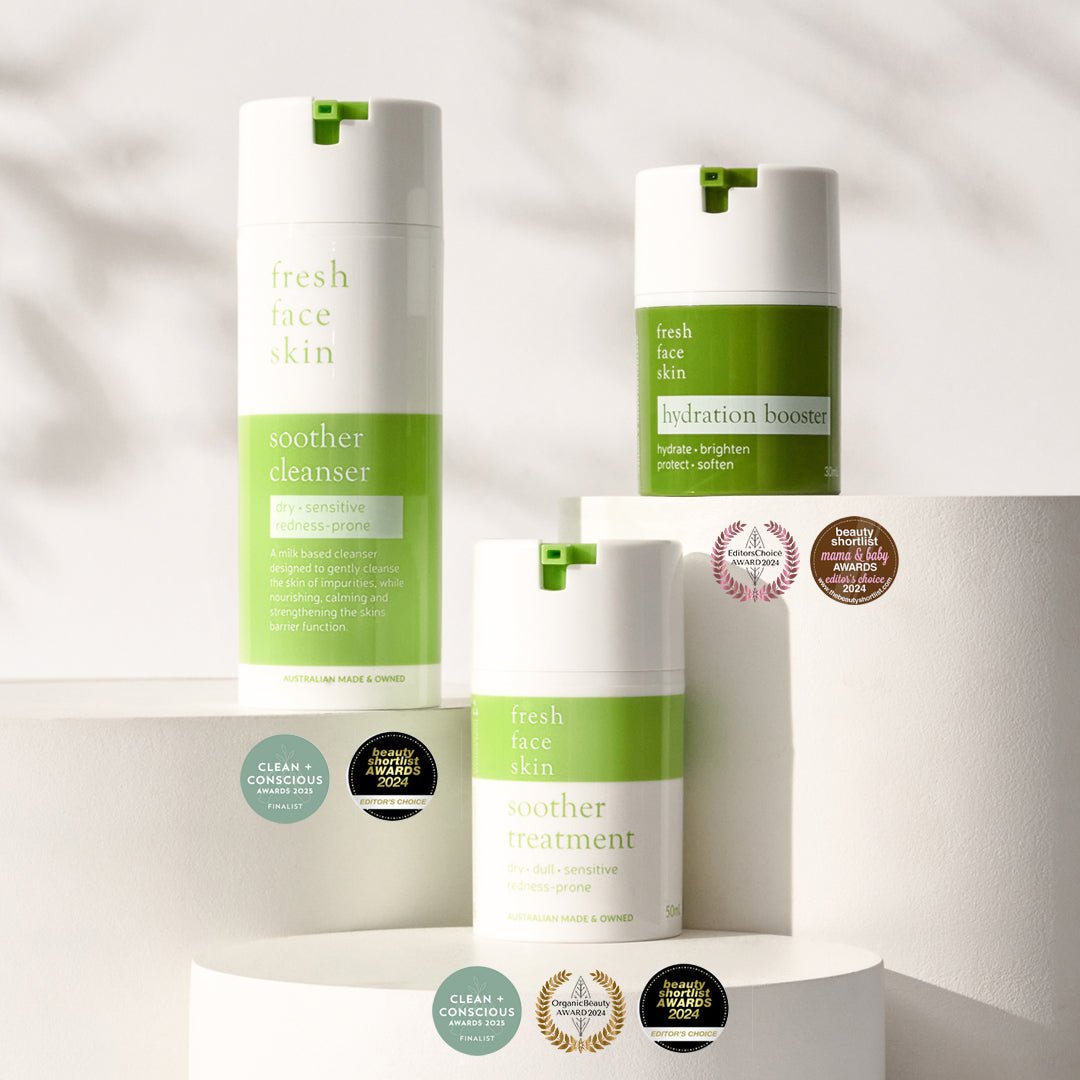
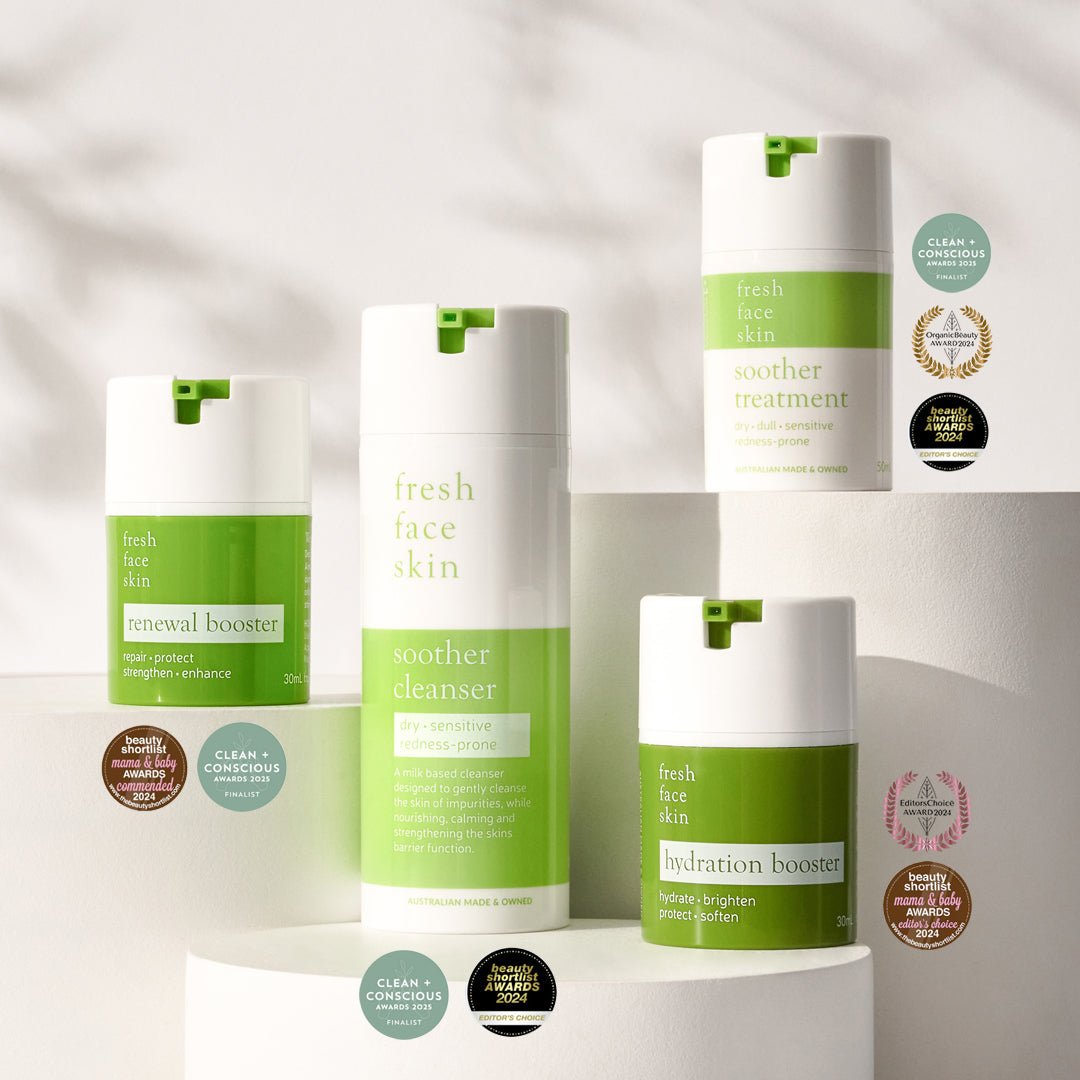
Our Barrier Mist is one of my favourite ways to top up hydration throughout the day, while our Hydration Booster can provide additional hydration and antioxidant support when added into your morning and night routine.
Don't forget your skin barrier
Hydration isn’t just about adding water to the skin – a healthy barrier helps reduce water loss and keep that hydration where it’s needed.
When the barrier is compromised, moisture escapes more easily, leaving skin feeling tight, dehydrated or sensitive.
When in doubt, apply our Soother Treatment as your final step to help seal in hydration, reduce moisture loss and support a healthy skin barrier.
If you'd like to understand more about why hydration plays such an important role in overall skin health, read Why Hydration Is the First Domino in Skin Health.
How can you support dehydrated skin from the inside?
Good skin health is never just about what we apply topically.
Regular hydration and a varied diet containing whole foods, healthy fats and water-rich seasonal fruits and vegetables can support overall skin health.
Think healthy fats such as avocado, extra virgin olive oil, nuts and seeds, alongside water-rich spring foods including cucumber, strawberries, citrus, leafy greens and tomatoes.
But remember: simply drinking litres of extra water isn't necessarily going to resolve dehydrated skin on its own.
Skin is holistic. Your environment, skincare, nutrition, stress, hormones and lifestyle can all play a part.
Do you need to change your skincare routine in spring?
Not necessarily.
This spring, rather than completely overhauling your routine, check in with your skin. Listen to it.
Is it asking for more – or is it actually asking you to do less?
Amelia
Founder + Dermal Therapist
Fresh Face Skin