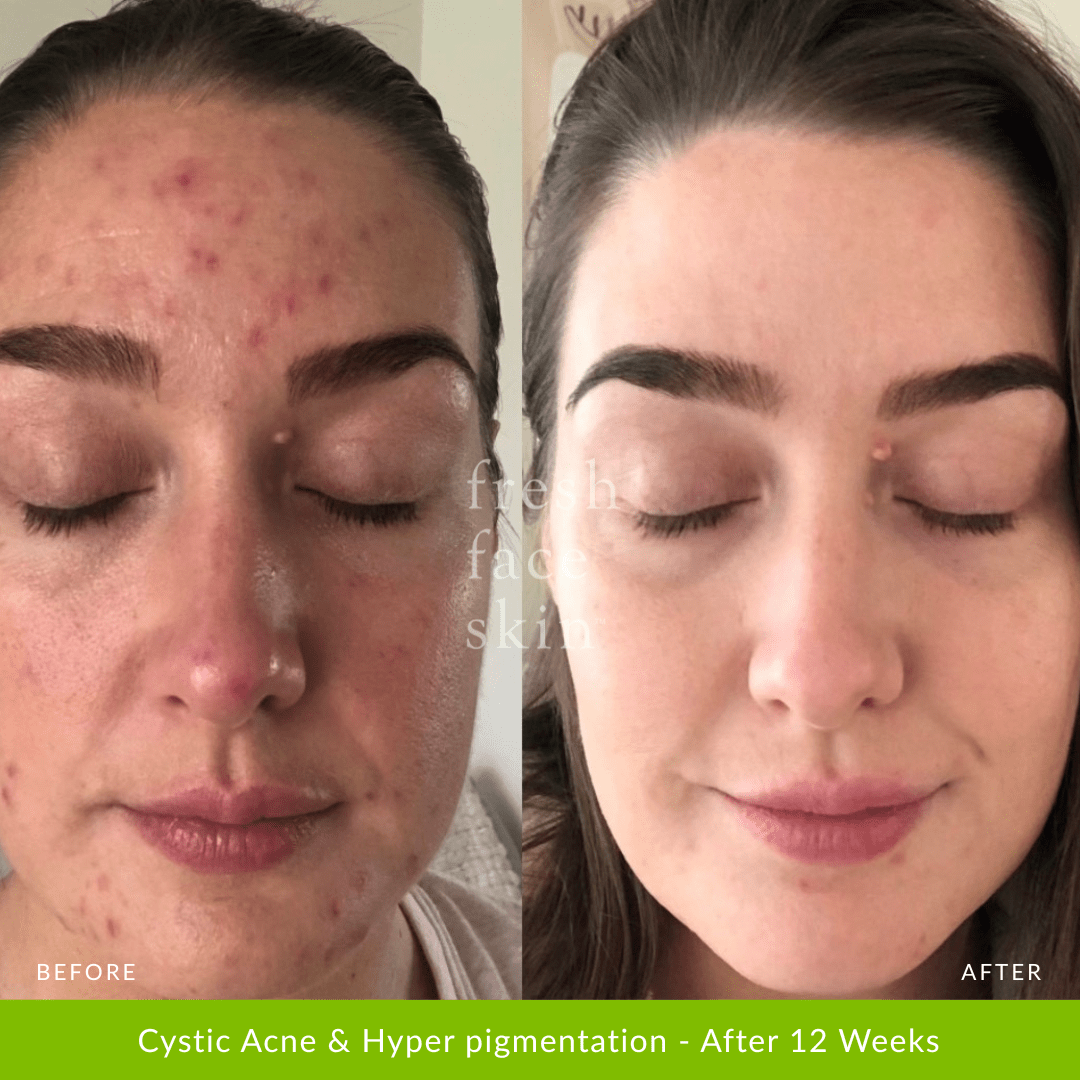
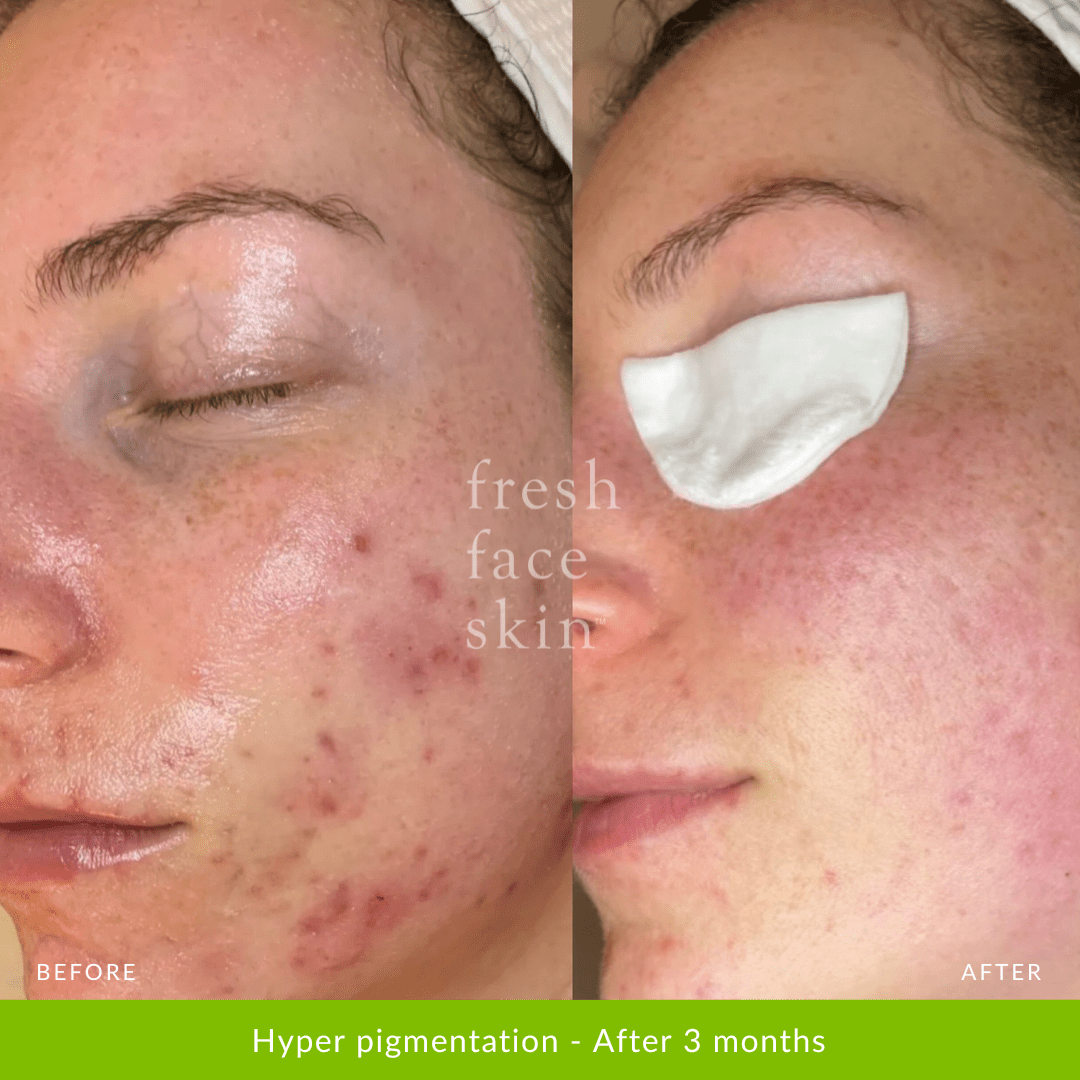
You apply your moisturiser expecting your skin to feel more nourished and comfortable, but instead, it stings.
If this starts happening suddenly, with a product you have had no issues with in the past, it can be easy to assume the moisturiser or product you’re using is the problem.
But often, the sting is a sign that something else has changed in your skin or routine.
Sometimes, your moisturiser is simply the first product that makes you notice it.
Here are seven common reasons sensitive skin can start reacting.
1. Your skin barrier may be under stress
Your skin barrier helps protect against water loss and external irritants.
When it becomes compromised, products that once felt completely fine can suddenly sting.
You may also notice redness, tightness, flaking or increased sensitivity.
If this happens, your skin may need fewer products and less stimulation for a while.
2. You may be over-exfoliating
Using acids, scrubs, retinoids (vitamin A based products) or exfoliating treatments too often can wear away our skin’s protective layer - making the skin increasingly reactive.
A common clue is when products that never used to sting suddenly start feeling uncomfortable.
If even water or your usual cleanser begins to sting, it's time to reduce exfoliation and allow your skin to settle.
3. Your cleanser could be contributing
Sometimes the irritation begins before serum or moisturiser is even applied.
If your skin feels tight, squeaky or dry straight after cleansing, your cleanser may be removing too much of the skin’s protective oils.
That can leave skin more vulnerable to irritation from whatever comes next.
Your skin should feel clean after cleansing, but never stripped or tight.
4. Your active load may be too high
Vitamin C, retinoids, AHAs, BHAs, enzymes and acne treatments can all be useful.

5. Something in the formula may not suit your skin
Sensitive skin is highly individual. There are so many internal and external factors that can contribute to the skin flaring and becoming more sensitive.
A product can be marketed as 'gentle' or 'suitable for sensitive skin' and still contain an ingredient your skin does not tolerate well.
Possible triggers can include:
- fragrance or parfum
- some essential oils
- alcohol denat.
- exfoliating acids
- retinoids
- cleansing agents
- certain preservatives or botanical extracts
This does not mean these ingredients are bad.
It simply means your skin may not tolerate every formula in the same way.
6. Your skin may have changed
If you have used the same moisturiser for months or even years and it suddenly begins to sting, your skin may have changed, even if the product has not.
Seasonal changes, recent treatments, illness, stress, hormonal changes, lack of sleep or changes elsewhere in your skincare routine can all affect how reactive your skin feels.
This is why a routine that worked perfectly a few months ago may suddenly need adjusting.
7. Your routine may simply be doing too much
When skin becomes reactive, it is tempting to add something new.
Another serum. A richer moisturiser. A stronger barrier cream.
But sometimes the best thing you can do is remove a few steps.
A simpler routine makes it easier to identify what is helping and gives reactive skin fewer potential irritants to deal with.

What should I do if my moisturiser burns?
If a product causes significant or ongoing burning, stop using it.
Then look at what has changed recently.
Have you:
- increased exfoliation?
- added a retinoid (vitamin A) or even plant-based vitamin A product?
- had a professional skin treatment recently?
- changed cleanser?
- introduced any new products?
- been using more acne or pigment-based products?
- noticed your skin becoming more reactive generally?
- been exposing your skin to a different external environment lately? Think indoor heating or cooling or being outdoors more in the elements?
- Have you been run down or unwell recently? A reminder your skin can sometimes reflect changes in your overall wellbeing
The answer may be in the routine around the moisturiser, not just the moisturiser itself.
2 simple steps to support sensitive skin - Ultra Sensitive Skin Pack
Two simple steps to replenish your skin's natural oils, support barrier repair and calm sensitivity and irritation.
When skin is highly sensitive and reactive, its natural oils (lipids) may be depleted, weakening its protective barrier. Before introducing additional skincare, it's important to focus on replenishing these essential oils to help rebuild and strengthen the skin's protective layer.
That's why we've intentionally designed this simple, two-step, oil-based routine to support calmer, stronger and less reactive skin over 4-8 weeks.
LEARN MORE > About this pack
Your Simple 2-Step Routine:
Step 1: Soother Pre-Cleanse
Gently cleanses without stripping the skin's natural protective oils.
Step 2: Soother Treatment
Replenishes essential skin lipids to nourish, protect and support a stronger skin barrier.
Just two steps, morning and night, for 4–8 weeks.

Is stinging a sign skincare is working?
No.
You do not need to feel burning or stinging for a product to be effective.
If something repeatedly leaves your skin uncomfortable, take that seriously.
Discomfort is information.
If your skin is persistently burning, itching, swollen, inflamed or reacting to almost everything you apply, it may be trying to tell you something.
That's why we offer complimentary online skin check-ins with our qualified skin therapists. We're here to listen, understand your concerns and help you feel clear and confident about the next steps to support your skin.
Get personalised skincare advice.
The key takeaway?
If your moisturiser suddenly stings, do not automatically assume you need a different or richer cream.
Look at what has changed around it.
Sometimes your moisturiser or the product that's feeling different, is not the problem at all.