Finding the best moisturiser for sensitive skin can feel surprisingly difficult.
One cream feels too heavy. Another causes redness or stinging. Some feel comfortable initially, only for that tight or dry feeling to return a few hours later.
If this sounds familiar, the answer may not simply be finding a richer moisturiser.
Sometimes sensitive or reactive skin needs better support with hydration, barrier function and moisture retention as a whole.
At Fresh Face Skin, we look at the complete routine rather than expecting one moisturiser to do everything. When your skin barrier needs support, the foundations of your routine matter.

Why can sensitive skin react to moisturiser?
Sensitive skin can react for many reasons, including fragrance, certain ingredients, too many active products within a routine, over-exfoliation or an already compromised skin barrier.
Common signs of a skin reaction and sensitivity include:
- stinging or burning
- redness or itching
- tightness after moisturising
- increased sensitivity
- congestion or breakouts
- skin feeling dry despite using a moisturiser
When this keeps happening, it can be tempting to keep trying heavier creams.
For more guidance, read why your skin can still feel dry after moisturising .
But heavier does not always mean better. It’s important to understand what your skin actually needs and address the root cause, so you can strengthen and support your skin long term rather than relying on short-term fixes.
Dry skin and dehydrated skin are different
Dry skin is generally lacking oil.
Dehydrated skin is lacking water.
Sensitive skin can also be dehydrated without necessarily being traditionally dry.
This means your skin may feel tight, uncomfortable or dull even though you are already using a face moisturiser for sensitive skin.
When the skin barrier is impaired, the focus should be on creating a simple environment where the skin can calm down and function more effectively.

What should a moisturiser for sensitive skin actually do?
When looking for the best moisturiser for sensitive skin, consider more than just how rich the formula feels.
Your routine should help:
Support the skin barrier
The skin barrier helps reduce water loss and protects the skin from external irritants. When it becomes compromised, skin can feel increasingly reactive. Barrier-supportive ingredients often include lipids, such as ceramides and nourishing oils, which help replenish and strengthen the skin’s protective barrier.
Reduce unnecessary irritation
Sensitive skin often benefits from simplifying rather than continually introducing new products.
Keep moisture in
A nourishing final layer can help support moisture retention and leave the skin feeling more comfortable.
This is why we often recommend looking at the whole routine , not just one product and the moisturiser.
Our approach to barrier-impaired skin
For skin that feels sensitive, reactive or compromised, we recommend keeping things simple.

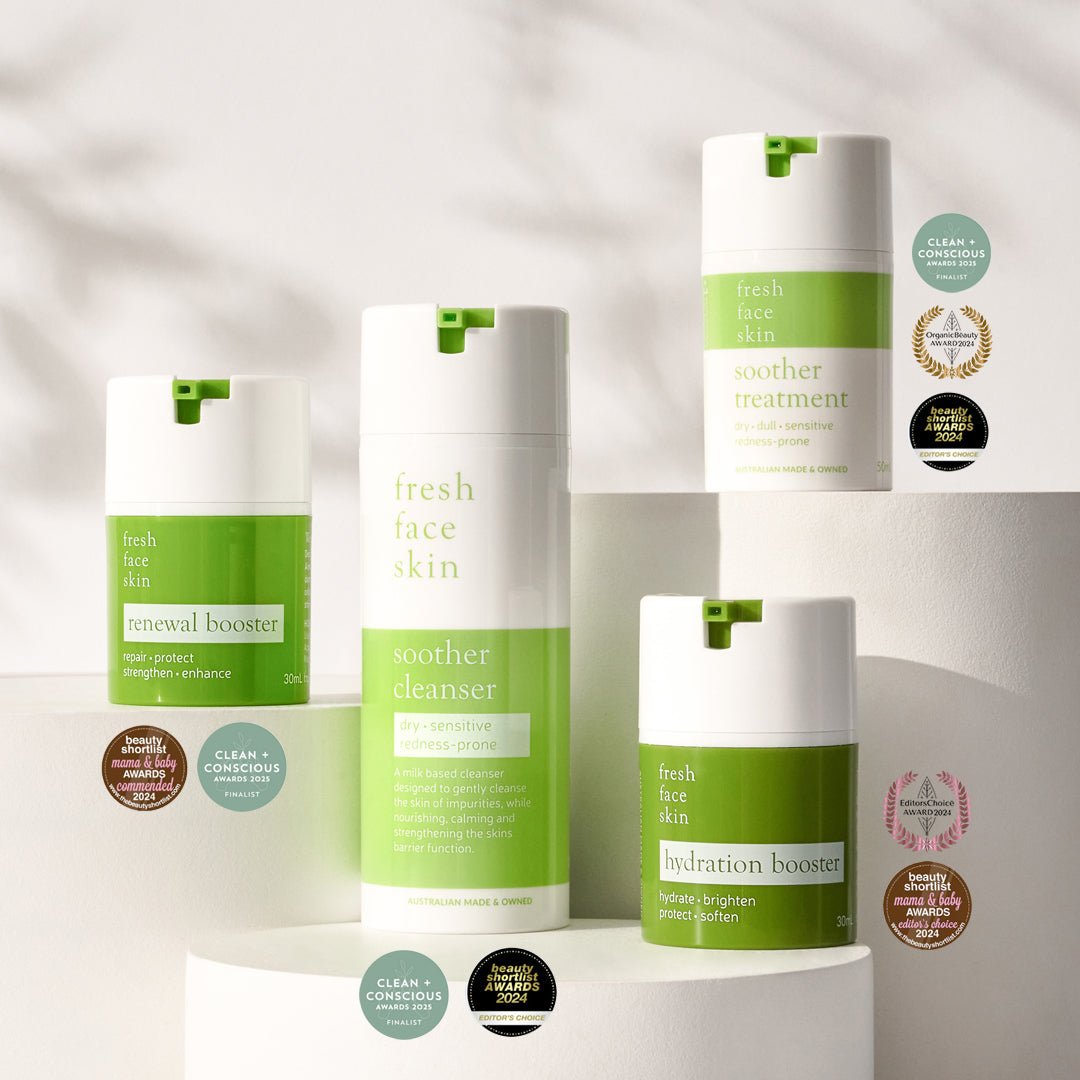
Our Skin Barrier Repair Pack has been designed around this approach.
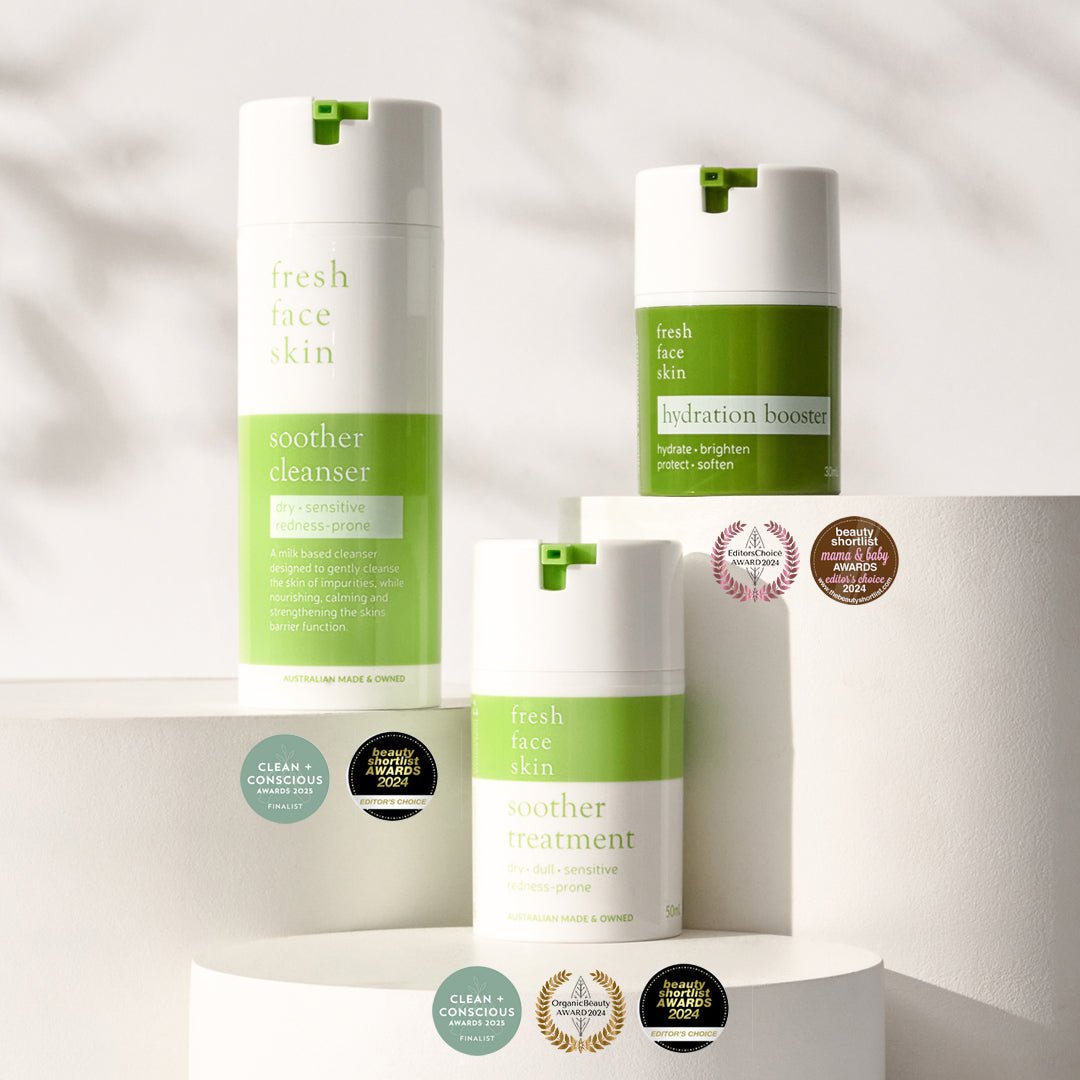
Step 1: Soother Cleanser
Start with gentle cleansing that removes impurities without making already-sensitive skin feel stripped or uncomfortable.
Step 2: Soother Treatment
Follow with Soother Treatment - a blend of 7 natural oils, that aim to strengthen and protect the skin’s barrier, providing a nourishing layer that supports skin comfort and moisture retention.
Step 3: Recovery Mask
Use Recovery Mask 1–3 times a week as an overnight mask or a wash-off mask, depending on your skin’s needs. It can provide additional comfort and barrier support when skin feels reactive.
Together, these products create a straightforward routine focused on cleansing, calming and supporting the skin barrier without overloading it.
What about an extra hydration step?
Barrier Mist can be added after cleansing as an additional lightweight hydration and barrier-supporting step.
With ceramides, two forms of hyaluronic acid, prebiotics and probiotics and a collagen peptide, it is designed to support hydration, the microbiome and skin barrier without adding another heavy cream.
What if my skin reacts to almost everything?
If your skin seems to react to product after product, constantly switching formulas can make it harder to understand what is actually causing the problem.
Instead:
- Consider nourishing oil-based products where suitable for your skin
- simplify your routine
- introduce products gradually
- avoid changing multiple products at once
- stop unnecessary exfoliation or use of strong actives
- watch for ingredients your skin repeatedly reacts to
If your skin is persistently burning, itching, inflamed or becoming increasingly reactive, this is often your skin trying to tell you something. Seek advice from a GP or dermatologist to help identify the cause; complementary support can be considered alongside appropriate medical care.
You can also explore our guide to skin barrier burnout and how to support your skin .
So, what is the best moisturiser for sensitive skin?
There is no single best sensitive skin moisturiser for everyone.
A better question may be:

For some people, that may be a traditional moisturiser for dry sensitive skin.
For others, particularly when the skin barrier is struggling, a simpler routine focused on ceramide-rich, oil-based ingredients, gentle cleansing, barrier support and moisture retention may feel far more comfortable.
Sensitive skin does not always need more.
Sometimes it needs fewer, well-chosen products and time to recover .
If you’re unsure where to start, we offer free online skin consultations with our qualified Fresh Face Skin dermal therapists, so you can feel confident and clear with a routine tailored to your individual skin, lifestyle and concerns.