If you've experienced perioral dermatitis, you'll know how frustrating a flare can be particularly when you feel like you haven't changed anything.

When a customer comes to us with suddenly irritated, bumpy or inflamed skin around the mouth, one of the first questions I ask is:
What has changed recently?
Sometimes it isn't the obvious things. Think back over the weeks leading up to your flare and consider what your skin, body and environment have been exposed to.
If you're unsure whether you're dealing with perioral dermatitis or breakouts, start with our guide to perioral dermatitis vs acne.

1. Skincare, makeup or makeup remover
Have you introduced a new foundation, sunscreen, cleanser, makeup remover, serum or moisturiser recently? Have you increased your active ingredients or started using a heavier product?
Makeup and skincare can contribute to irritation when the skin is already reactive, so even something that seems gentle may be worth reviewing.
During a flare, I recommend stripping your skincare routine back rather than adding more products to try to fix it. Focus on a simple, barrier-supportive routine designed to gently cleanse, hydrate and support compromised skin.
Learn how to support a damaged skin barrier, or explore our sensitive and reactive skin range.
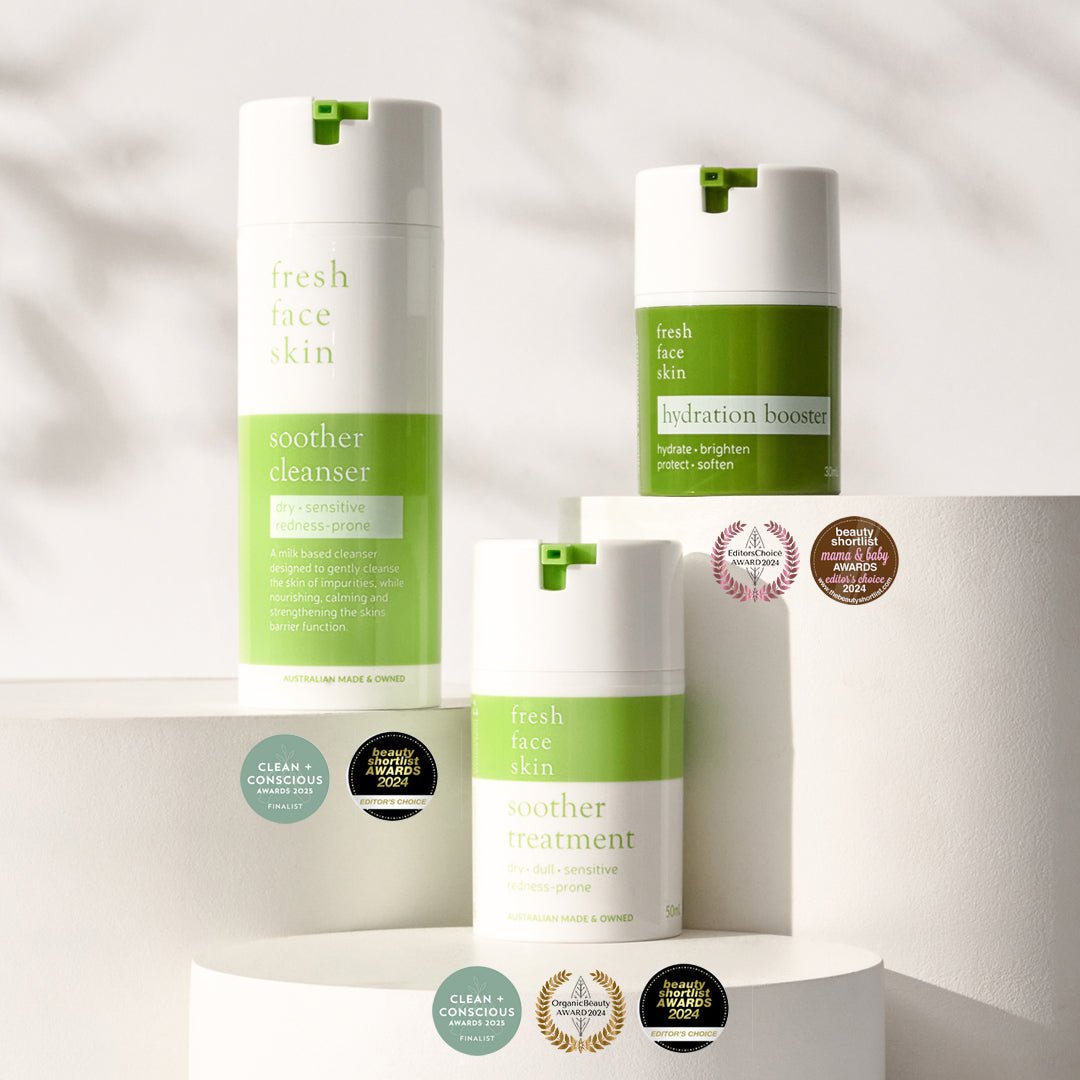
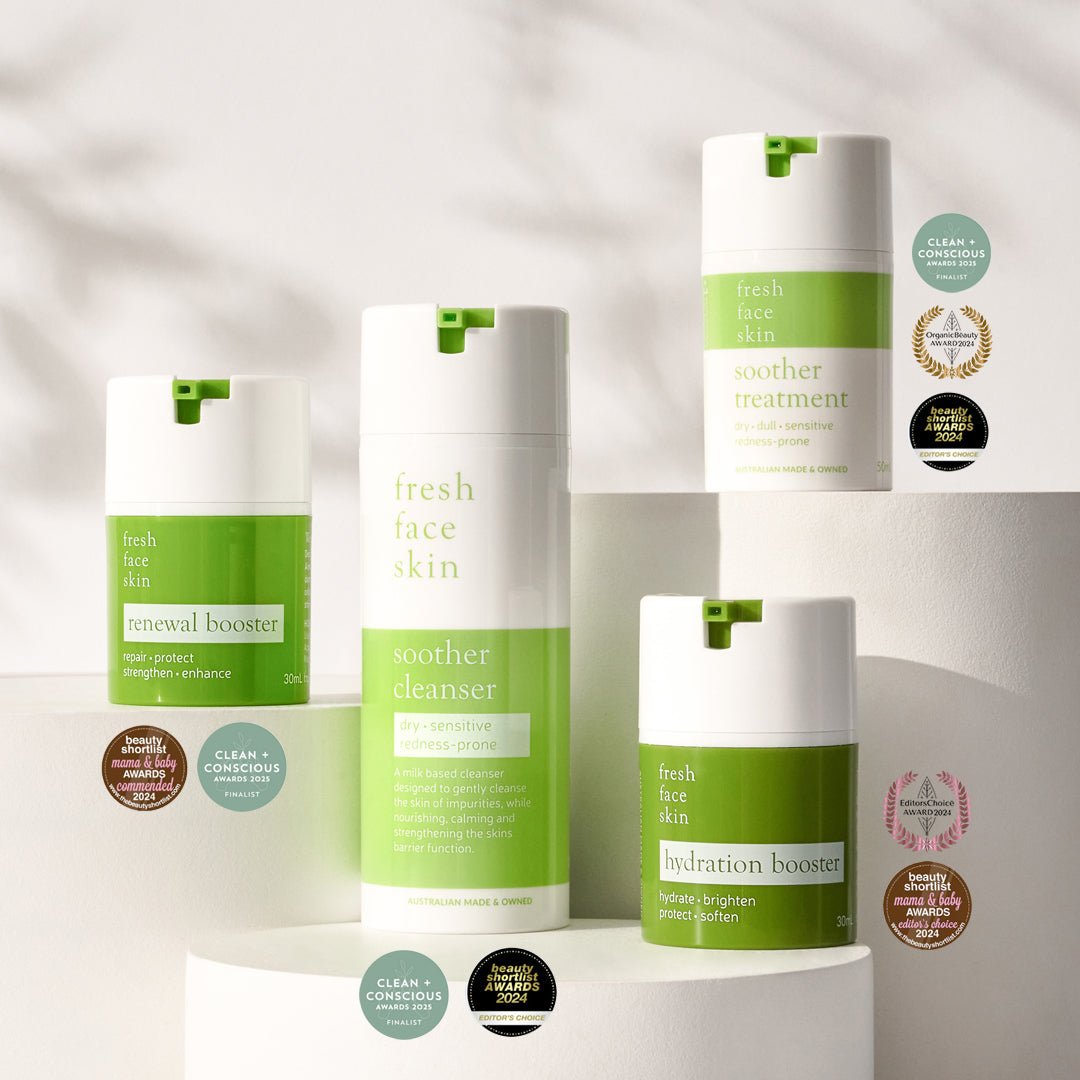
For cleansing, our Soother Cleanser is designed to gently cleanse without stripping the skin while supporting the skin barrier.
For additional barrier support, our Recovery Mask can also be incorporated when skin feels dry, reactive or in need of extra support.

Makeup deserves consideration too. If you don't want to go completely makeup-free, you may prefer to simplify what you're applying and choose lightweight formulations your skin tolerates well.
My mineral makeup pick: Guiya Minerals.
2. Steroid creams, nasal sprays or inhalers
This is an important one.
Corticosteroid exposure has a well-recognised association with perioral dermatitis, particularly topical steroid creams such as hydrocortisone. Nasal sprays and inhaled corticosteroids may also be relevant in some cases.
The tricky part is that a steroid cream can initially make a flare look better, but symptoms may return or worsen when it's stopped. This can create a cycle where you keep reaching for the steroid whenever the skin flares.
Steroids aren't something I recommend starting or stopping without appropriate medical guidance. If you're regularly using a prescribed steroid and experiencing perioral dermatitis flare-ups, speak with your GP, dermatologist or prescribing healthcare professional about the best approach for you.
Alongside medical care, our dermal therapist team can help you simplify your skincare and support the health of your skin barrier.
Book a free online skin consultation.
3. Be aware of toothpaste and what regularly touches your mouth
Sometimes it's worth looking beyond skincare.
Think about everything that regularly contacts the area, toothpaste, dental products, lip products, mouthwash and other products used around the mouth.
If your perioral dermatitis repeatedly flares, consider whether you've recently changed any of these products. Individual triggers can vary, so changing one thing at a time can make it easier to identify whether a particular product is contributing.
If you're considering changing toothpaste because of recurring irritation around your mouth, discuss your dental needs with your dentist before removing fluoride from your routine.
Looking for a natural toothpaste option? MooGoo Natural Fluoride Free Toothpaste.
4. Be mindful of your sunscreen
Sunscreen can be worth reviewing when skin is already inflamed or reactive. Certain formulations, fragrances or additional active ingredients may make already-compromised skin feel more red, itchy or uncomfortable.
If you notice your skin reacting after applying SPF, consider the formulation you're using and whether something within it may be contributing to the irritation.
A simple mineral sunscreen containing zinc oxide and/or titanium dioxide may be worth considering for reactive skin. Look for a formulation your skin tolerates comfortably and avoid repeatedly changing products during an active flare.
Our pick for sensitive or dermatitis-prone skin: Wotnot SPF 30 Natural Sunscreen.
5. Lifestyle, hormones and your environment
Sometimes nothing has changed in your bathroom cabinet, but something has changed internally or environmentally.
Hormonal fluctuations may coincide with perioral dermatitis flares in some people, so consider whether you're noticing a pattern around your menstrual cycle, pregnancy or other hormonal changes.
Also think about recent stress, heat, wind, increased sun exposure, travel or changes to your normal daily routine.
Diet isn't considered a single established cause of perioral dermatitis, but I always encourage looking at skin holistically. Rather than following an unnecessarily restrictive diet, focus on a varied, balanced eating pattern and pay attention to any consistent patterns you personally notice.
Hydration and barrier function are also closely connected to how comfortable and resilient the skin feels. You can learn more in our guide to why hydration matters for skin health.
Our picks for additional nutritional and lifestyle support:
What should you do when perioral dermatitis flares?
Before throwing another product at it, stop and investigate.
Ask yourself:
- What changed in the weeks beforehand?
- Have I started using anything new?
- What regularly touches the affected area?
- Have my hormones, stress levels, environment or routine changed?
Write it down if you need to. Keeping a simple diary of skincare, lifestyle factors, stress, your cycle and flare-ups can make patterns easier to identify over time.
Your skin is often giving you information our job is to listen and look at the bigger picture.
It's also important to remember that perioral dermatitis can resemble other skin concerns. If symptoms are persistent, worsening, painful or you're unsure what you're dealing with, seek advice from your GP or dermatologist for an accurate diagnosis and appropriate treatment.
If you'd like help reviewing your skincare routine and supporting your skin barrier, our dermal therapists are here to help.
Perioral Dermatitis FAQs
What causes perioral dermatitis?
There isn't always one clear cause. Steroid exposure is strongly associated with perioral dermatitis, while skincare, cosmetics and other environmental or individual factors may also contribute.
What can trigger a perioral dermatitis flare-up?
Potential contributing factors can include topical corticosteroids, certain skincare or cosmetic products, hormonal changes and environmental factors such as heat, wind and sun exposure.
What makes perioral dermatitis worse?
Over-exfoliating, strong actives, heavy or irritating products and repeatedly applying products to already-inflamed skin can make the area feel more irritated.
If your skin is feeling increasingly sensitive or reactive, you may also find our guide to why skin barrier repair comes first helpful.
How do I get rid of perioral dermatitis?
Start by identifying potential triggers and simplifying what you're applying to the area. Persistent or worsening perioral dermatitis should be assessed by your GP or dermatologist, as medical treatment may be required.
Can steroid creams cause perioral dermatitis?
Topical corticosteroids have a strong association with perioral dermatitis. They may initially reduce visible inflammation but can also be associated with rebound flaring when withdrawn. Always speak with your healthcare professional before changing prescribed steroid treatment.
Why does perioral dermatitis keep coming back?
Recurring flares may mean a contributing trigger is still present or there are several factors involved. Look at what has changed internally and externally and seek professional advice if it continues to return.
Still unsure what your skin needs? Our dermal therapists can help you review your current routine and create a simple approach based on your skin.
Get personalised skincare advice.
Amelia
Founder + Dermal Therapist
Fresh Face Skin
This information is general in nature and is not intended to replace medical advice, diagnosis or treatment. Perioral dermatitis can resemble other skin conditions, so if your symptoms are persistent, worsening or you're unsure what you're experiencing, please speak with your GP or dermatologist.