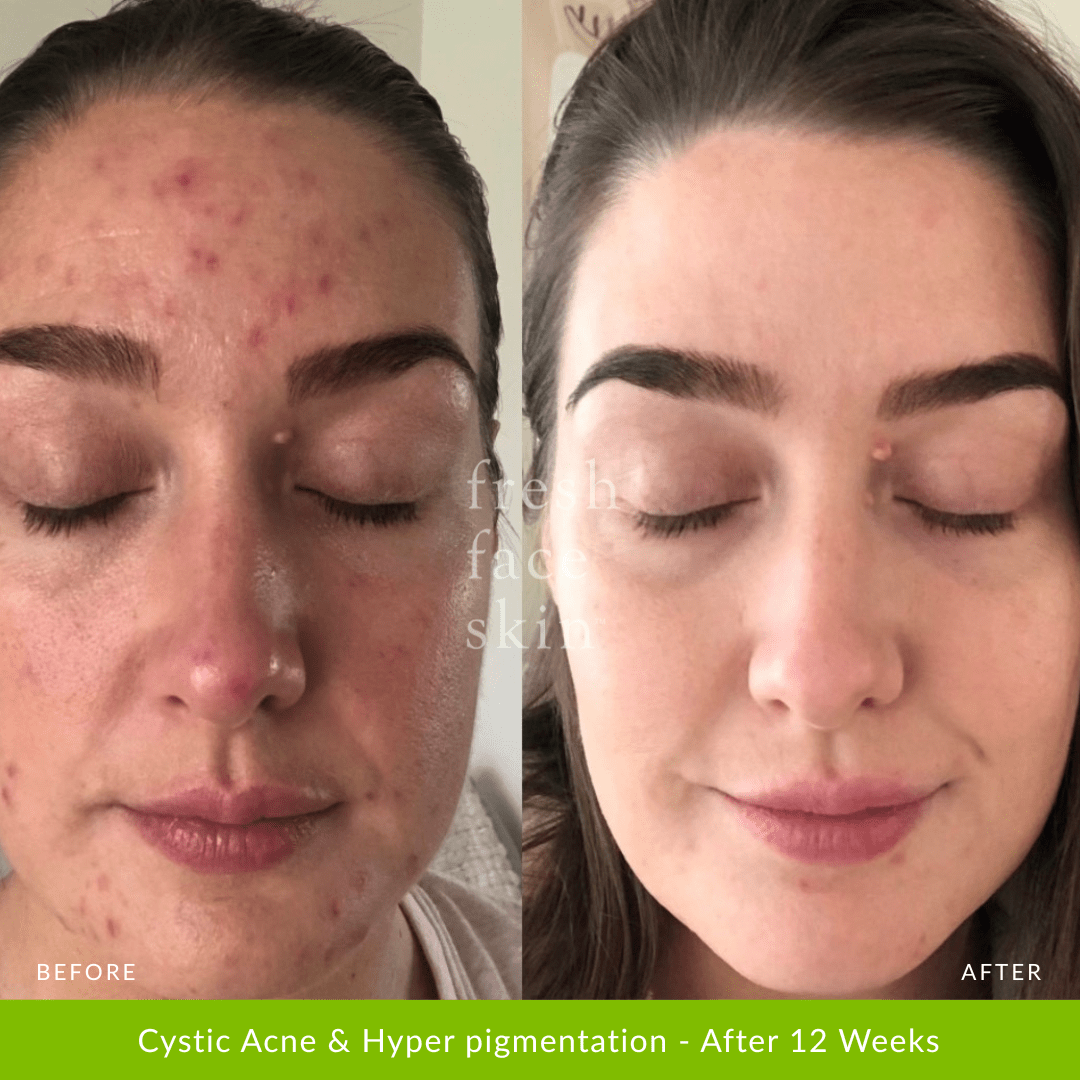
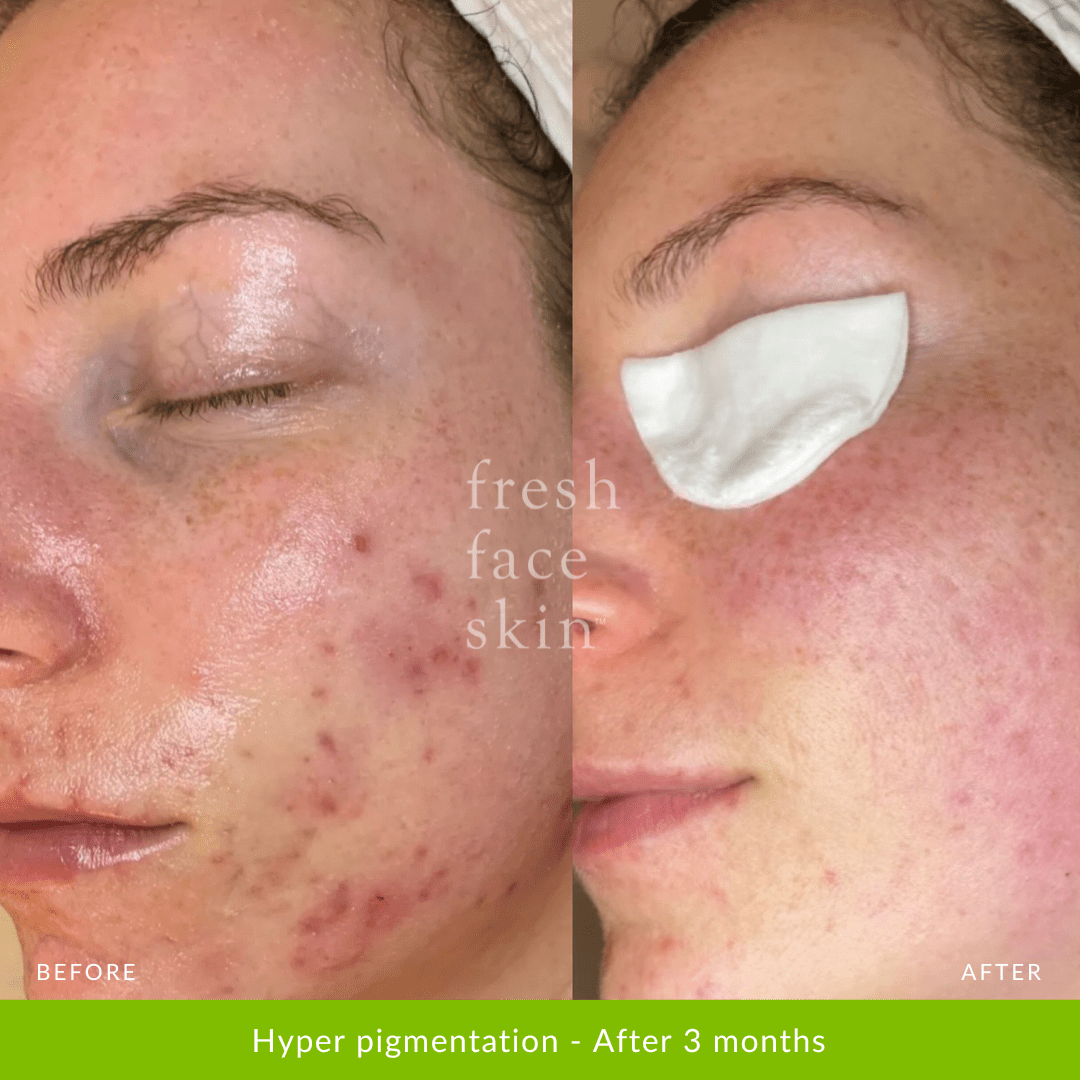
Perioral dermatitis is one of those skin conditions that can be incredibly frustrating because it often gets mistaken for acne, but it needs a completely different approach.
Many people see small red bumps around the mouth or chin and instantly reach for acne products, exfoliants, spot treatments or stronger actives. The problem? If it is perioral dermatitis, this can often make the flare feel more irritated, inflamed and stubborn to clear.
What Is Perioral Dermatitis?
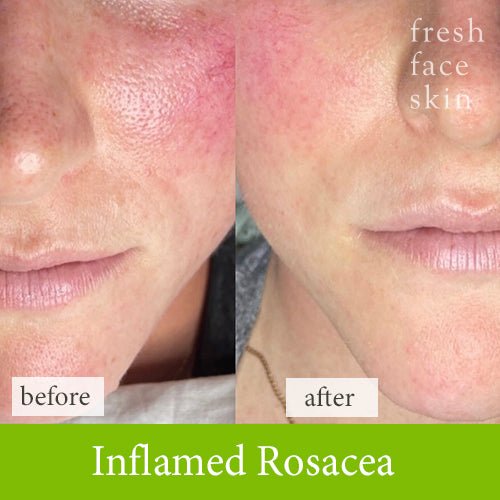
Perioral dermatitis is an inflammatory skin condition that commonly appears around the mouth, chin, nose and sometimes near the eyes.
It may look like tiny red bumps, pustules or dry, flaky patches. The skin can feel tight, hot, itchy, burning or sensitive.
Unlike acne, perioral dermatitis does not usually involve blackheads or whiteheads. The bumps often sit in clusters around the mouth rather than deeper under the skin.

What Does Acne Usually Look Like?
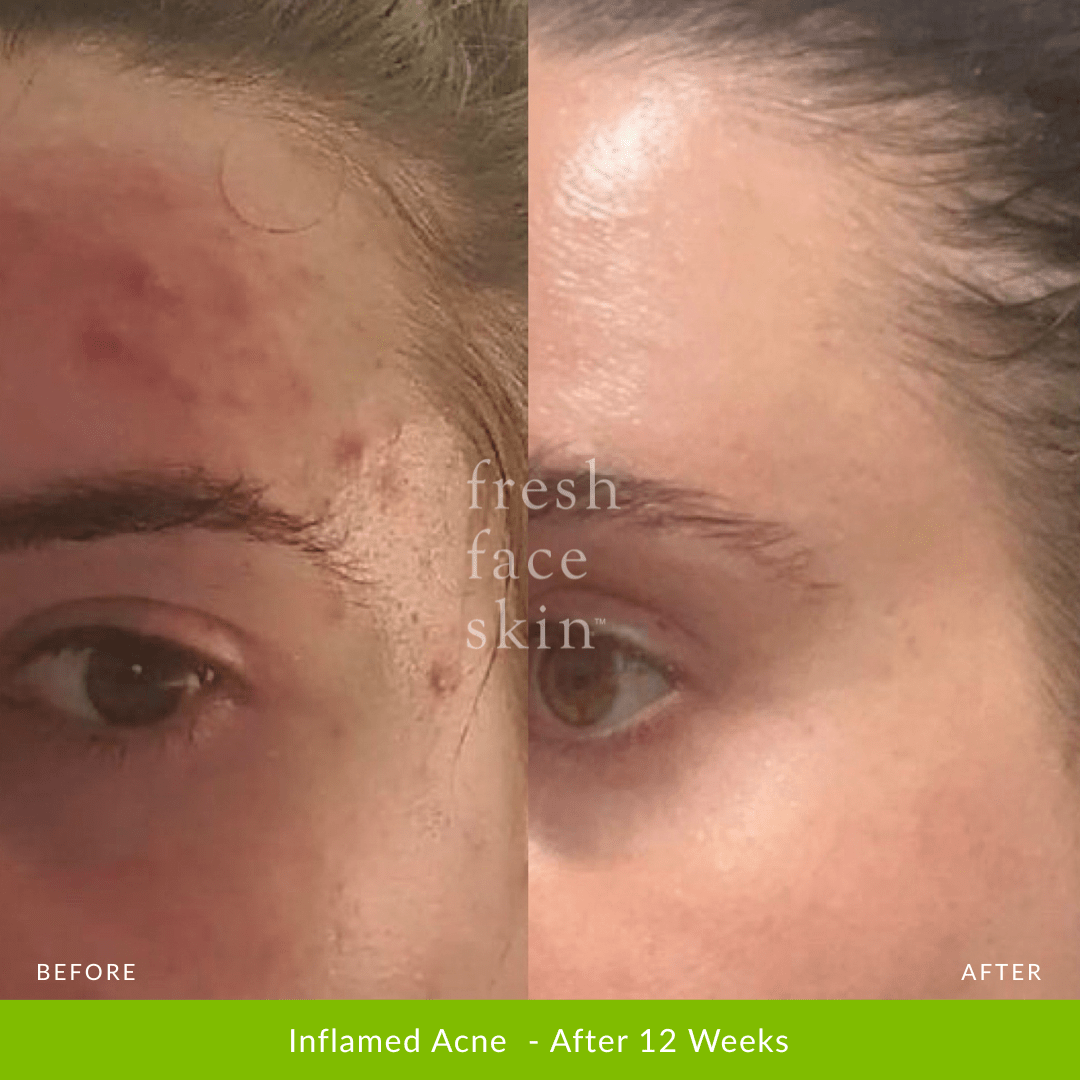
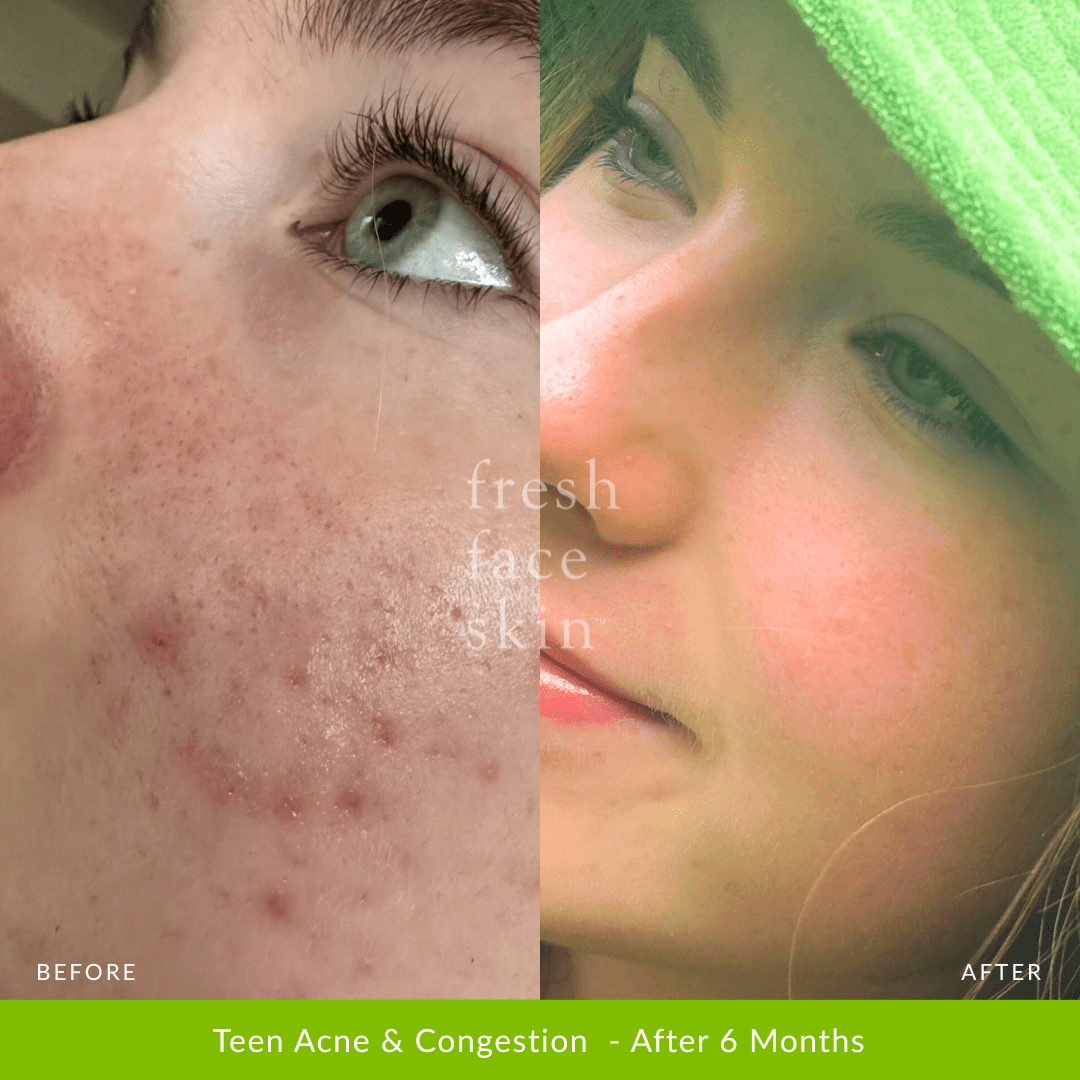
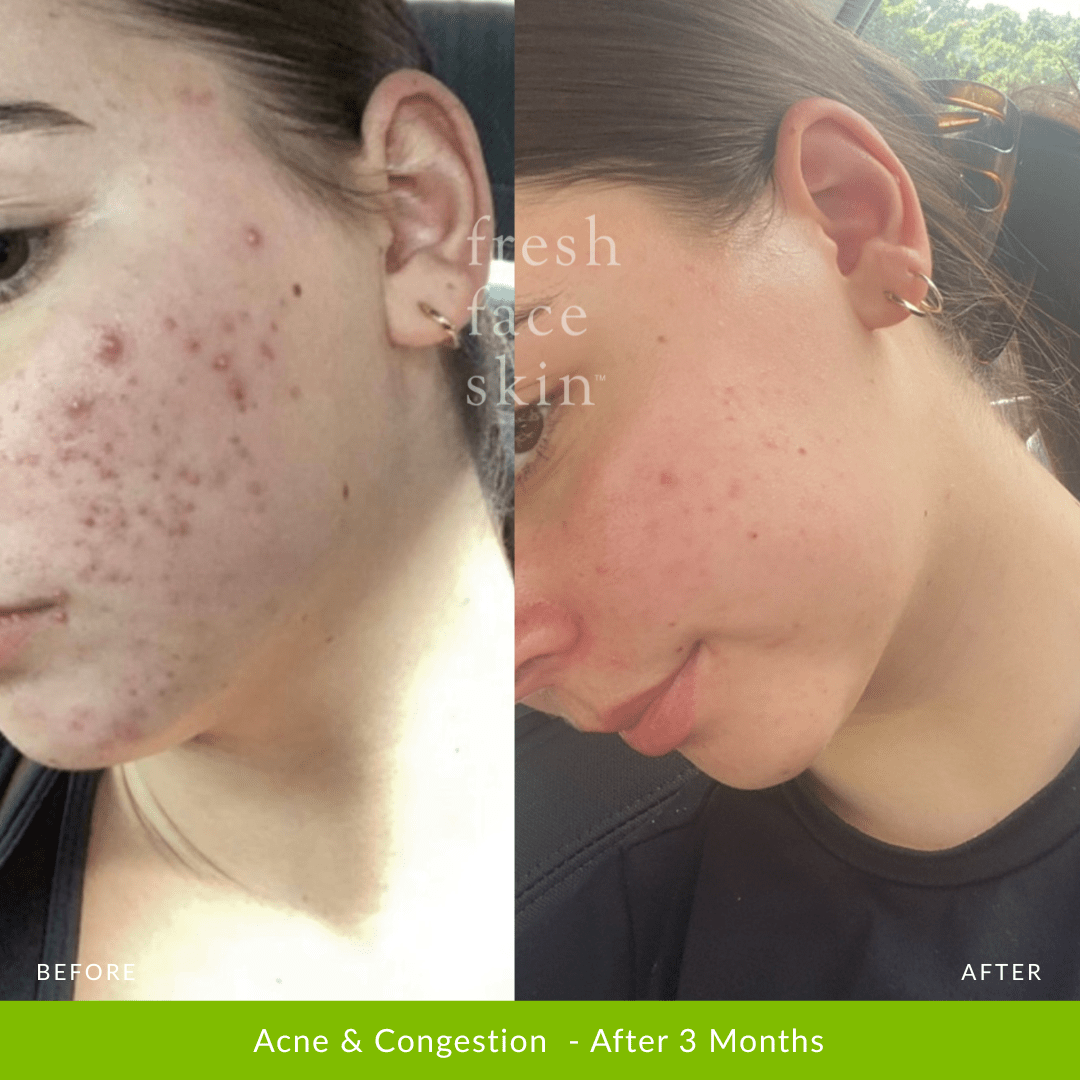
Acne is more commonly linked to congestion, excess oil, blocked pores, blackheads, whiteheads, inflamed pimples or deeper cystic breakouts.
Acne may appear across the jawline, cheeks, forehead, chest or back, whereas perioral dermatitis often has a more distinct pattern around the mouth, nose or chin.

Perioral Dermatitis vs Acne: Key Differences
-
-
Perioral dermatitis: often appears as clusters of small red bumps, pustules, dryness or flaking around the mouth, chin, nose or eyes.
-
Acne: often includes congestion, blackheads, whiteheads, inflamed pimples or deeper cystic breakouts.
-
Perioral dermatitis: can feel hot, itchy, burning, tight or sensitive.
-
Acne: may feel tender, inflamed or painful, especially when cystic.
-
Perioral dermatitis: can worsen when treated with harsh acne products or too many actives.
-
Acne: may need a targeted breakout routine, depending on the skin and barrier condition.
-
Perioral dermatitis: often appears as clusters of small red bumps, pustules, dryness or flaking around the mouth, chin, nose or eyes.
If you are unsure whether you are dealing with acne, dermatitis or another inflammatory skin condition, you may also like reading Perioral Dermatitis, Acne, or Eczema: How to Tell the Difference.
Why Perioral Dermatitis Can Flare in Winter
As we head into the cooler months in Australia, the skin barrier can become more vulnerable. Cold air, lower humidity, indoor heating, hot showers and heavier creams can all place extra pressure on the skin.
When the barrier is already inflamed or reactive, this can create the perfect environment for perioral dermatitis to flare.
The skin can become drier, more sensitive and less able to protect itself from external factors, which can make even your usual products suddenly feel too active or irritating.
For more winter skin support, read Why Skin Barrier Repair Comes First.
Common Perioral Dermatitis Triggers
Common triggers can include:
- Over-exfoliating
- Strong actives or acne treatments
- Heavy occlusive creams around the mouth
- Topical steroid creams
- Harsh cleansers
- Certain toothpastes, including fluoride toothpaste
- Tap water, including fluoride exposure
- Makeup or sunscreen irritation
- Hormonal changes
- Stress and internal inflammation
Topical steroid use is a well-recognised trigger for perioral dermatitis, and stopping suddenly can sometimes cause rebound flaring, as the skin may have become reliant on the steroid’s effect.
If this applies to you, it is best to seek professional advice before making changes.
Our Top Tips to Calm and Prevent Perioral Dermatitis
1. Strip Your Routine Right Back
Perioral dermatitis does not need more products. It needs less irritation and a simple approach.
⚠️Avoid exfoliants, retinol, strong vitamin C, acne spot treatments and active-heavy routines while the skin is flaring.
2. Focus on Barrier Repair
Support the skin with calming, nourishing products that help reduce dryness and strengthen the skin’s protective layer.
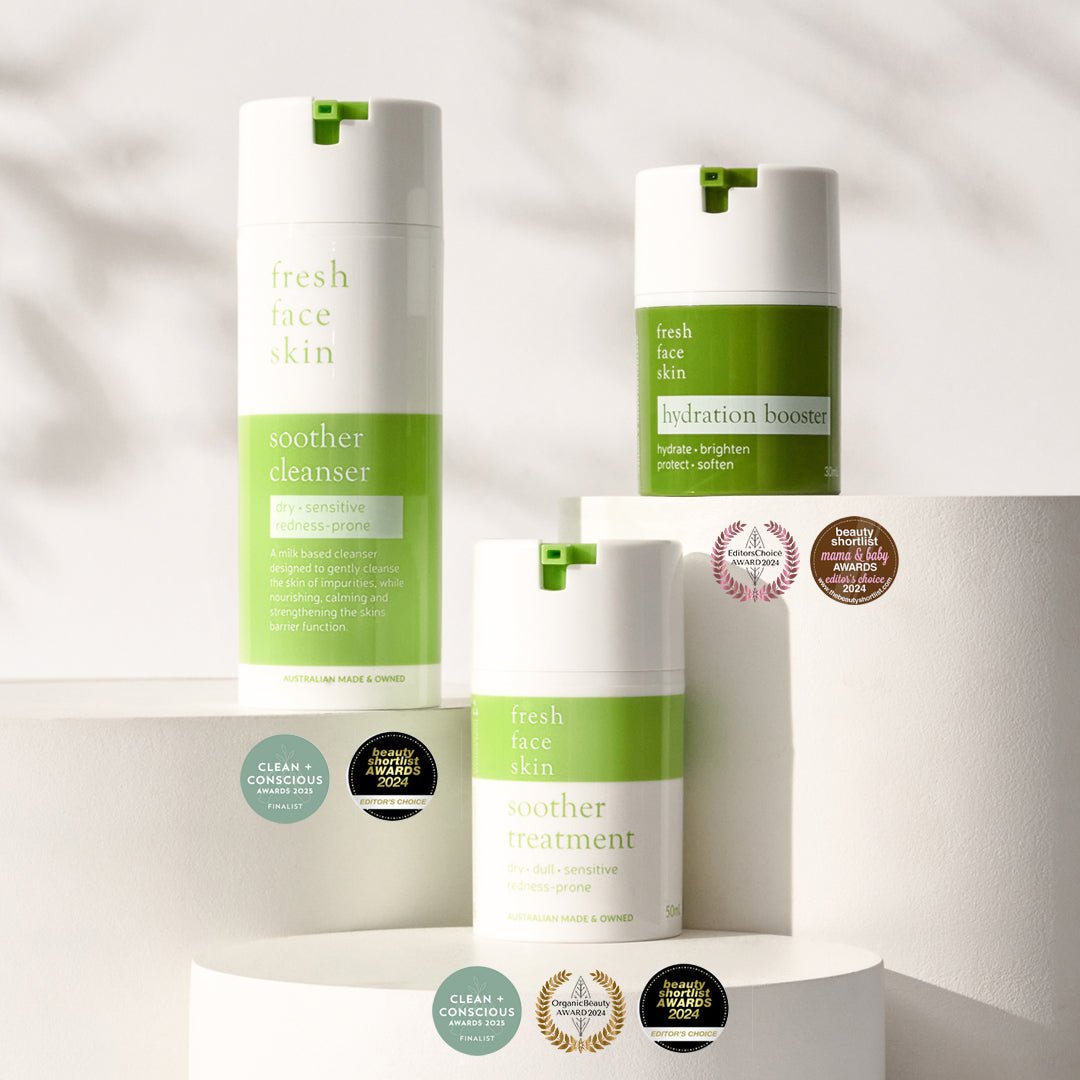
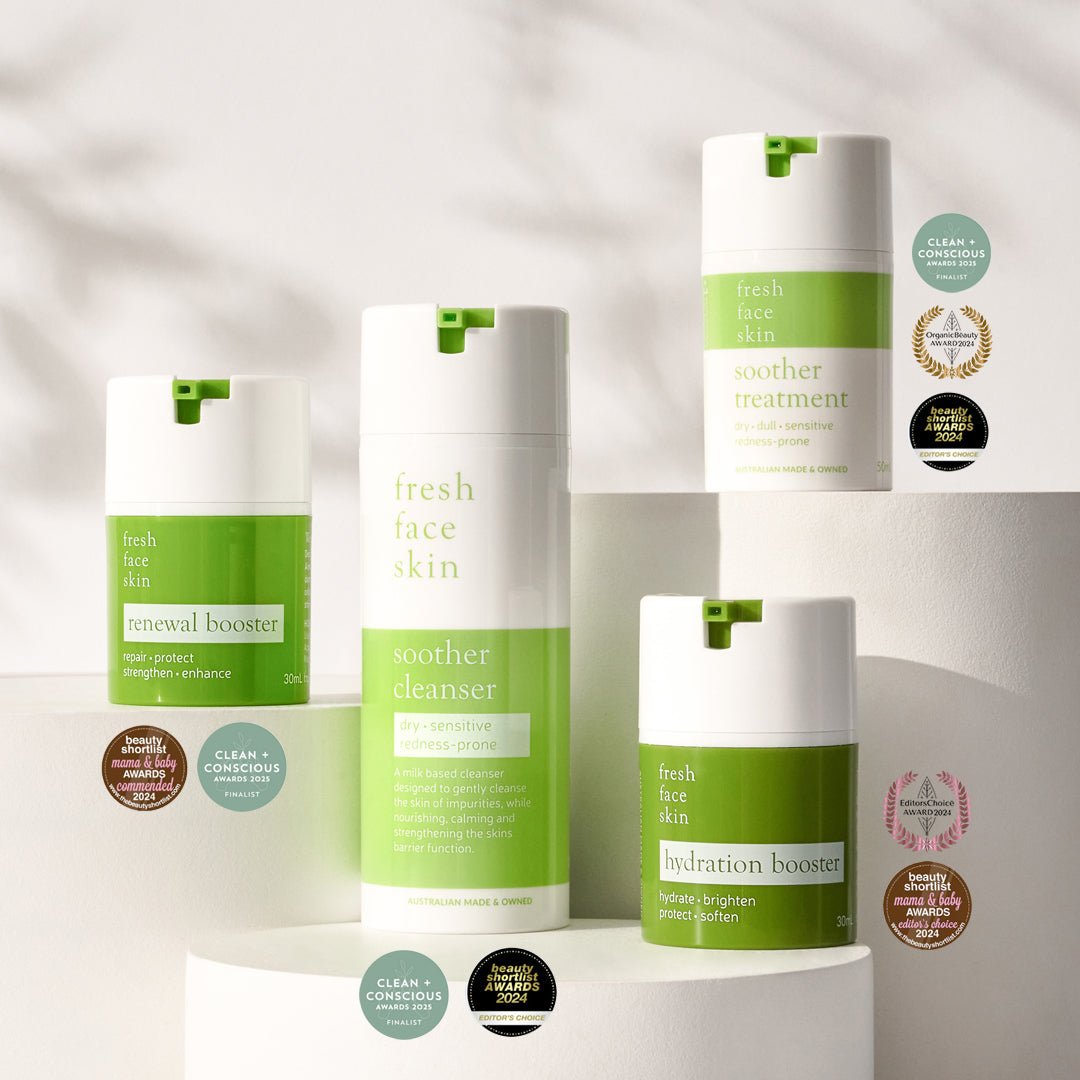
The Fresh Face Skin Barrier Repair Pack is a beautiful option for skin that feels reactive, dry, inflamed or easily triggered, as it focuses on external barrier support and calming surface inflammation rather than overwhelming the skin.

You can also learn more about a barrier-first approach in our blog: Perioral Dermatitis Flare-Ups? How to Track and Tame the Culprit.
3. Avoid Treating It Like Acne
❗This is one of the biggest mistakes we see.
Acne products can be too harsh for perioral dermatitis and may keep the cycle of flare-ups going. If the bumps are clustered around the mouth, feel burning or itchy, and your skin is also dry or flaky, pause the acne actives and focus on calming.
4. Support Inflammation Internally
Skin inflammation is not only topical. A high-quality omega-3, such as Nordic Naturals Ultimate Omega, may help support healthy inflammation pathways from within.
Cell Charge can also be a beneficial addition for antioxidant and nutrient support.
5. Look at Diet and Internal Triggers
During a flare, keep your diet simple and supportive.
Focus on omega-rich foods, colourful vegetables, green leafy vegetables, protein, zinc-rich foods and plenty of filtered water.
It can also help to reduce excess sugar, alcohol, spicy foods and highly processed foods if you notice they trigger skin heat, redness or inflammation.

When to Seek Professional Support
Perioral dermatitis can take time to settle, but the key is consistency and patience.
Calm the skin, reduce internal and external triggers, support the barrier and avoid the temptation to over-treat.
If your flare is persistent, spreading, painful or not improving, it is always best to speak with a skin professional, GP or dermatologist for tailored advice.
If you feel unsure where to start, book a Fresh Face Skin online skin consult with one of our dermal clinicians for personalised, barrier-first guidance.