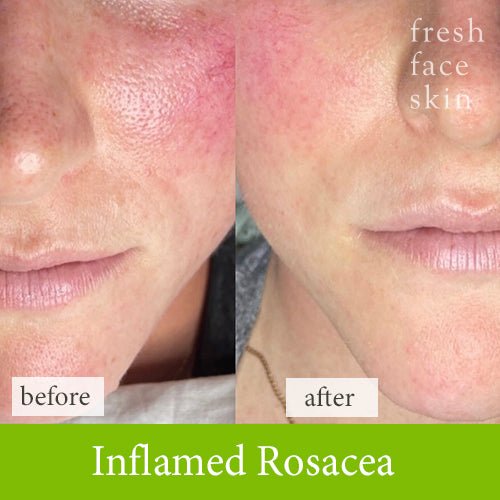
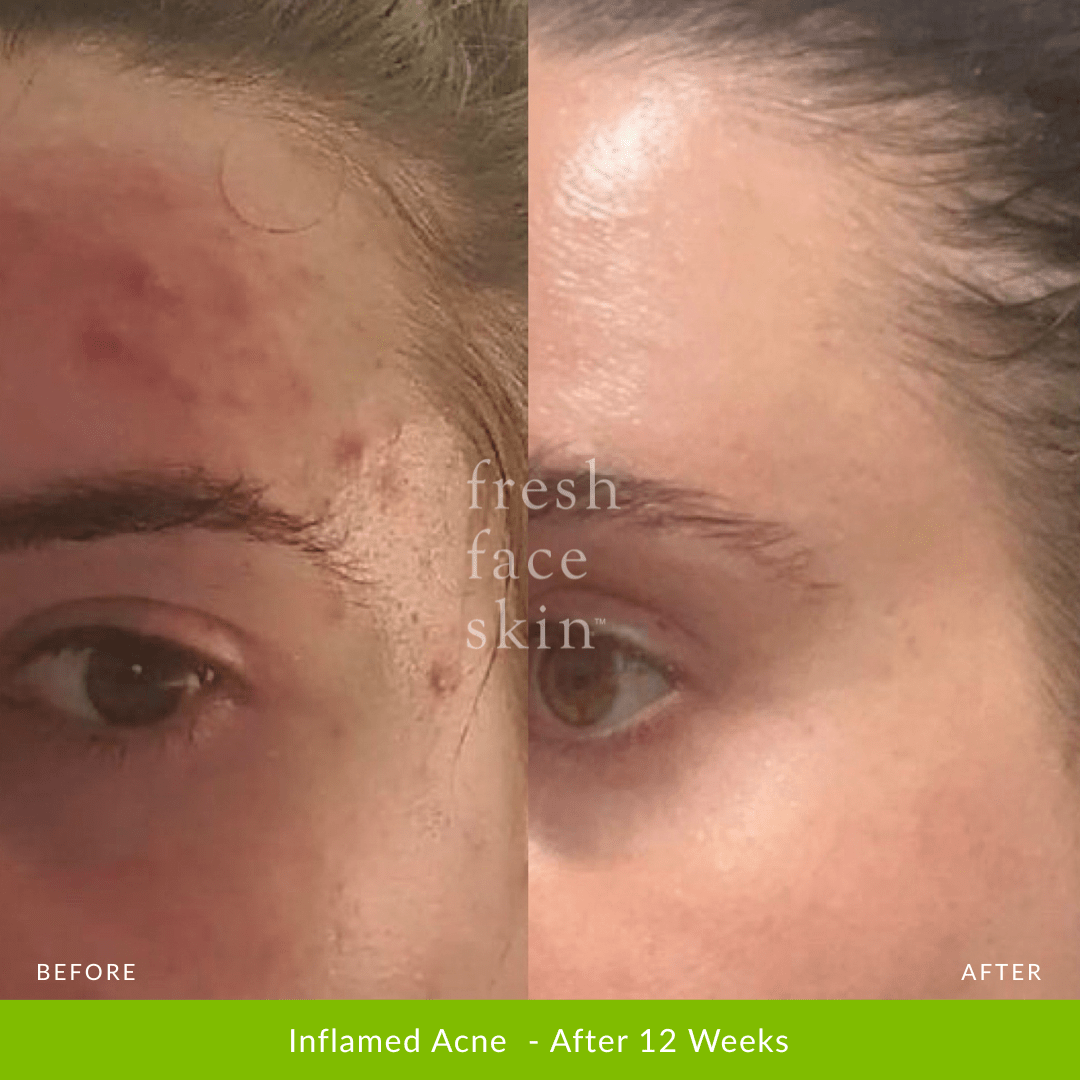
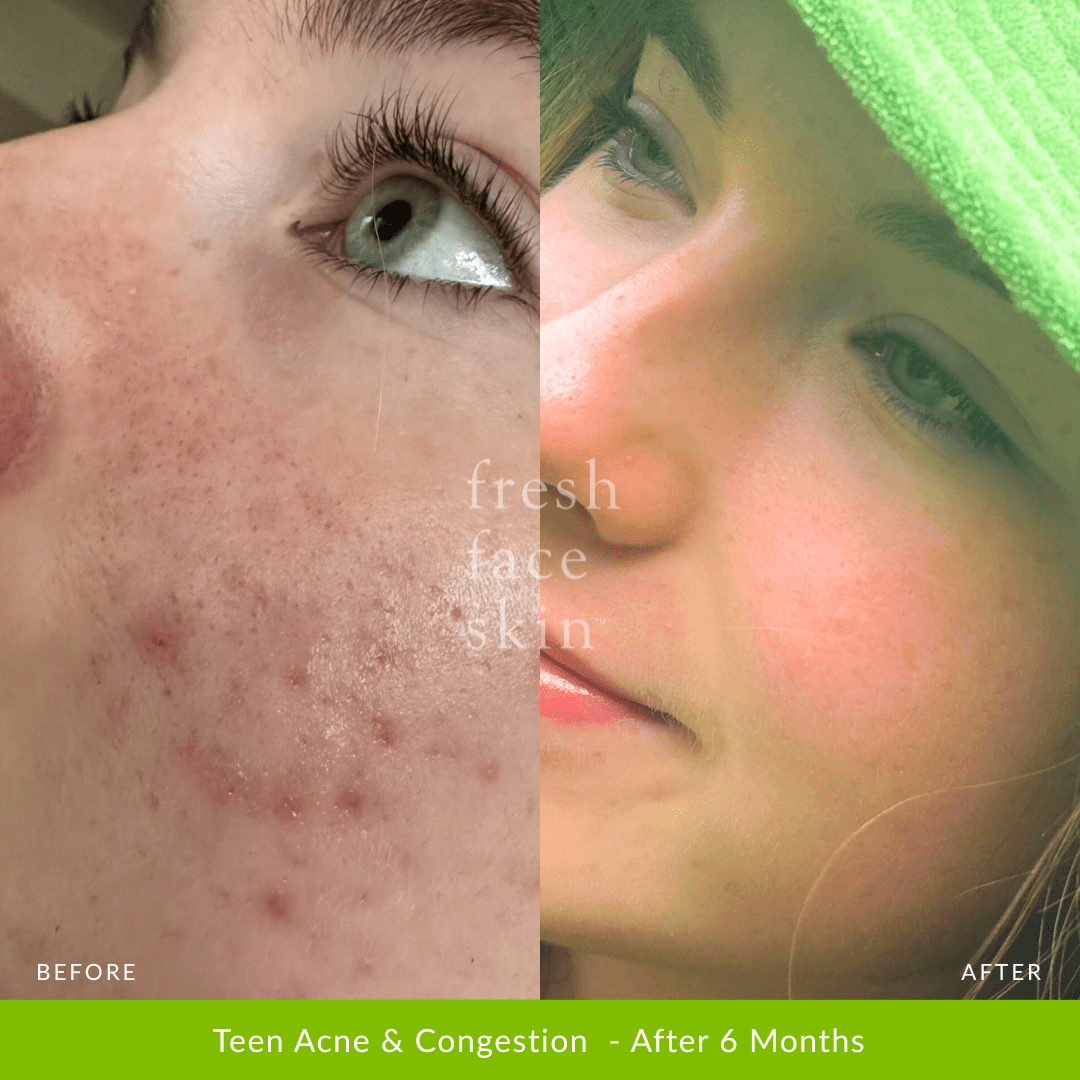
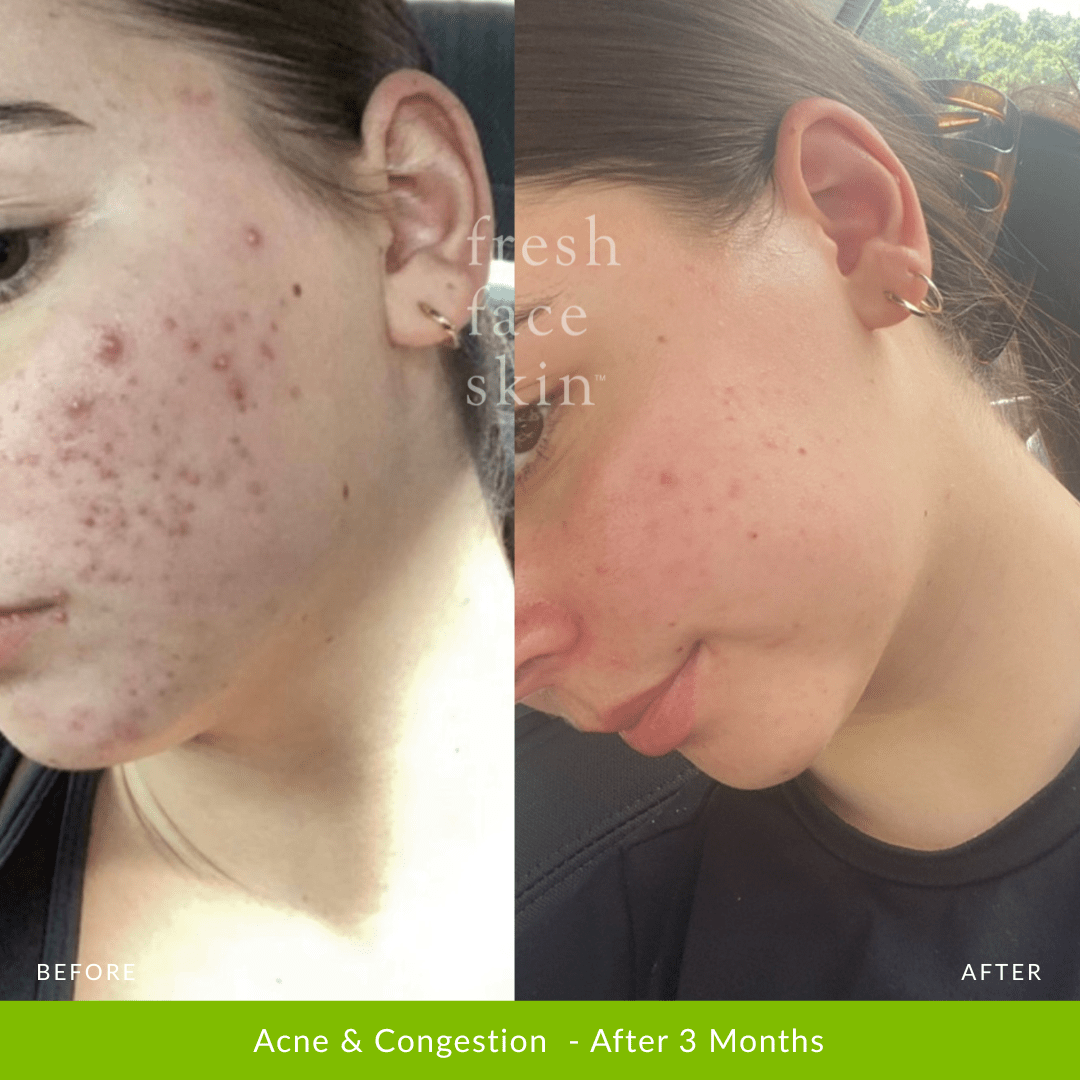
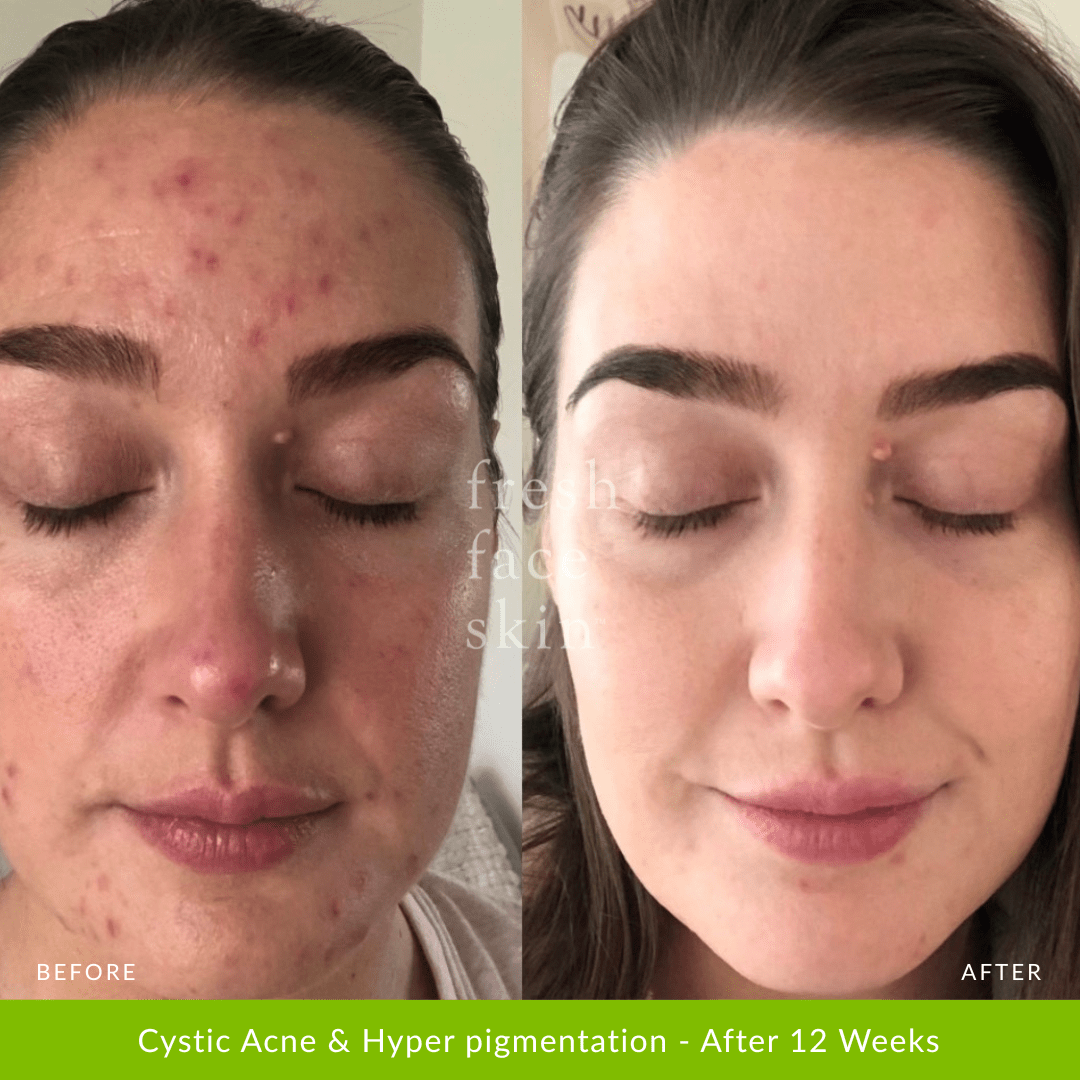
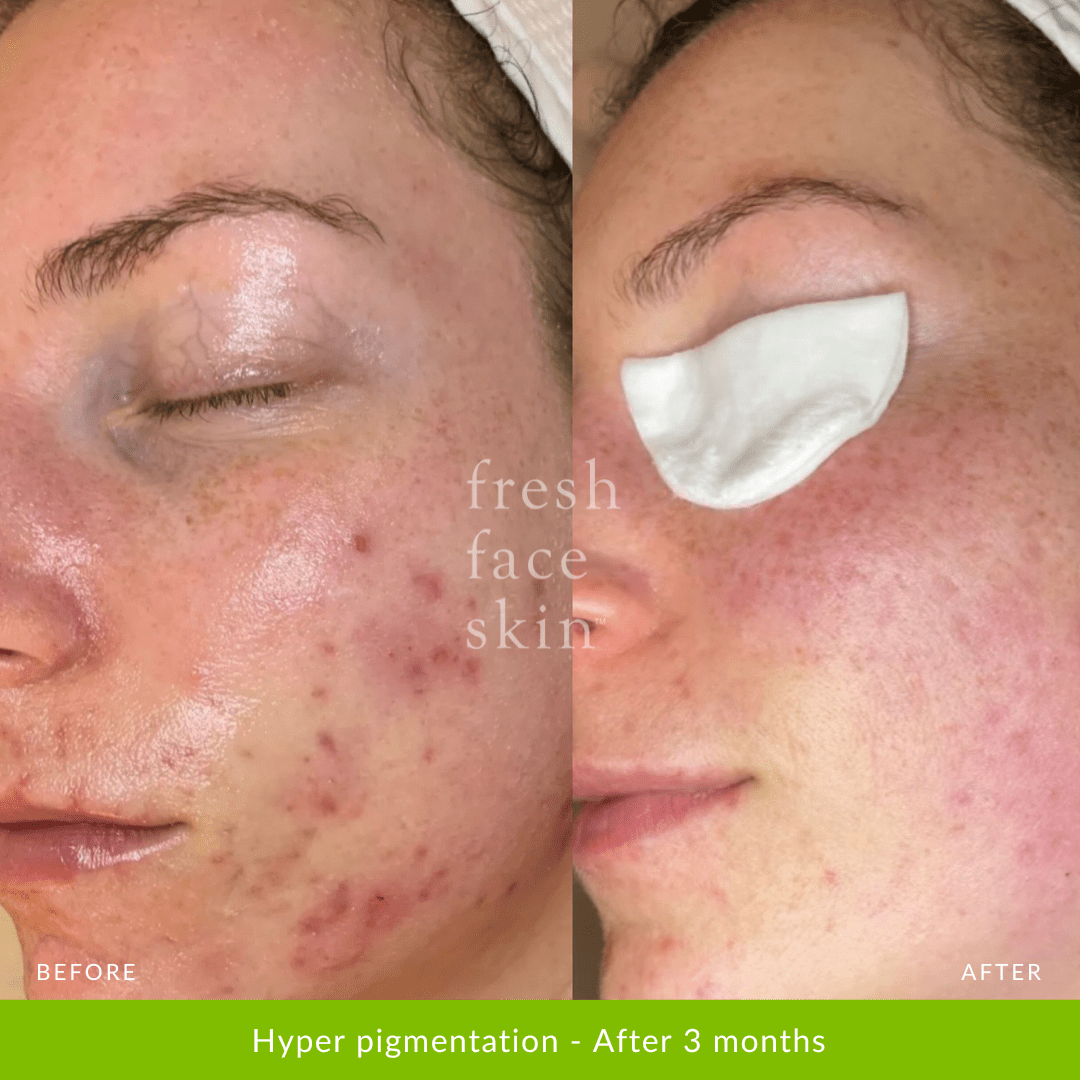
When someone looks in the mirror and sees redness, breakouts, dryness, or uneven texture, the natural response is often to try to treat the visible concern straight away.
But there’s an important step that is often missed.
If the skin barrier is compromised, we are not seeing the skin in its true state, and often these types of skin concerns rise to the surface.
When our skin’s protective barrier becomes weak, the skin loses water more easily, becomes reactive, and struggles to regulate its normal functions. In this state, the skin may appear more sensitive, inflamed, congested, or dull.
This is why the most important first step in many routines is simple: repair the barrier before deciding what else the skin needs.

Why Barrier Repair Comes First
The skin barrier, or as we often refer to it, the protective layer, acts like a shield.
It keeps hydration inside the skin while protecting it from environmental stress, irritation, and microbes.
When this layer becomes compromised, the skin begins to lose water through a process called transepidermal water loss. As hydration drops, the skin’s systems start to slow down and irritation becomes more likely.
Many people interpret these signs as needing stronger treatments or products. In reality, the skin is often asking for the opposite.
By focusing first on hydration and barrier support, the skin can begin to stabilise.
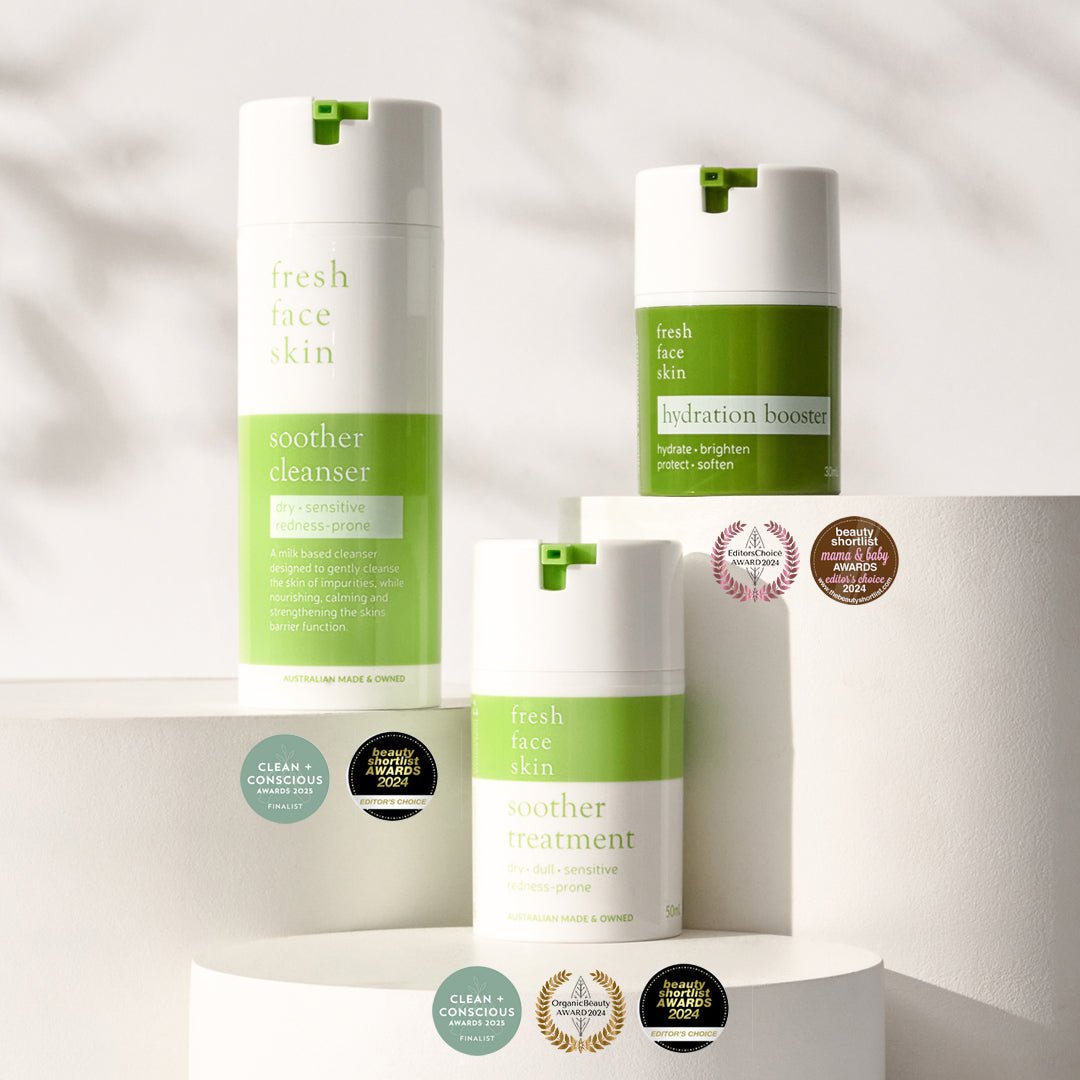
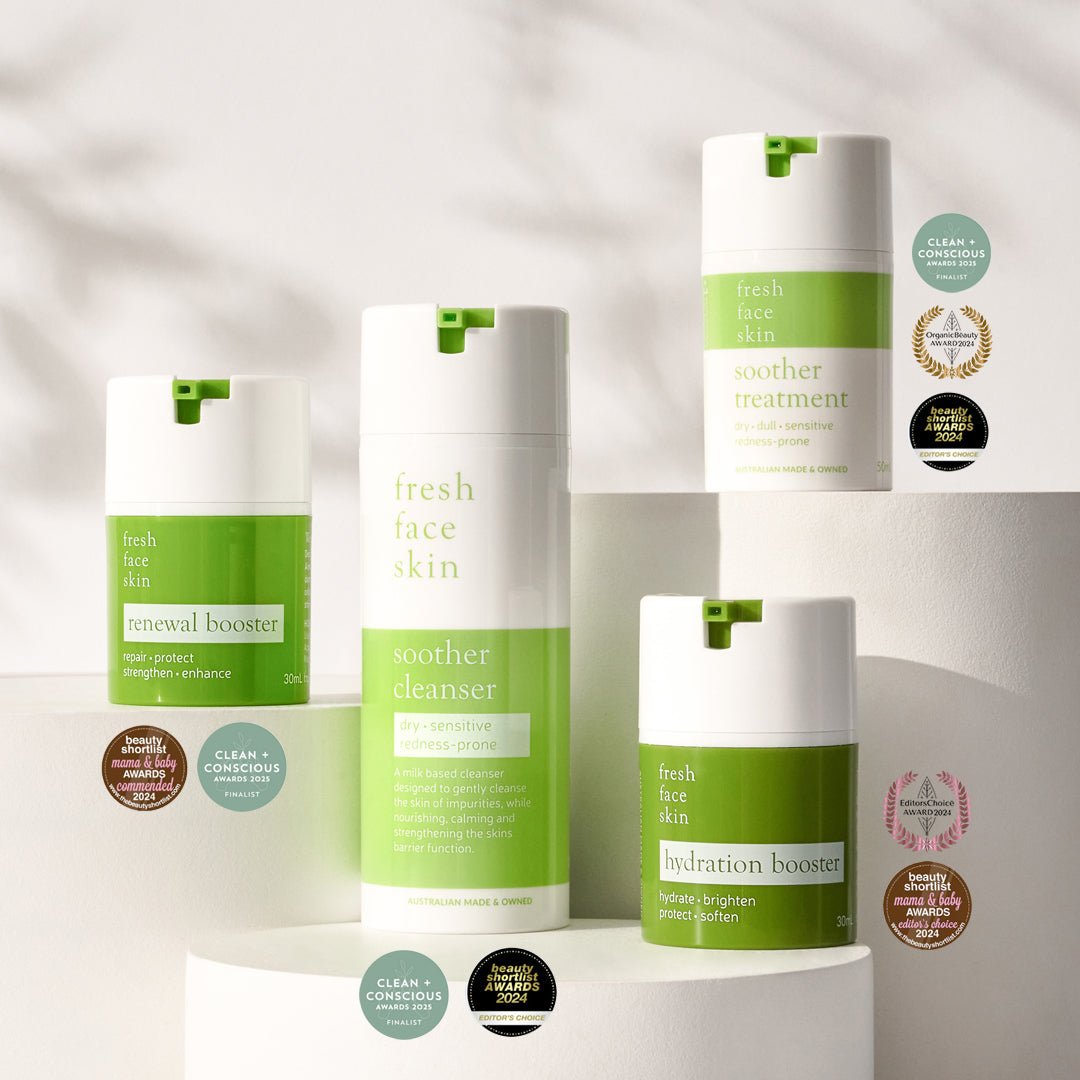
At Fresh Face Skin, this is where we simplify the routine and focus on essentials like the Hydrate Me Starter Pack, designed to support hydration and strengthen the skin barrier without overwhelm.
Once the barrier is restored, several important things happen:
- Reactivity and sensitivity begin to reduce
- Hydration levels improve
- Natural renewal and healing processes restart
- The skin’s true condition becomes clearer

In many cases, simply restoring hydration and strengthening the barrier already improves texture, brightness, and comfort.
If your skin feels tight, reactive or easily dehydrated, incorporating products like the Barrier Mist and Hydration Booster can help support hydration throughout the day while strengthening the protective layer.
Only then can we accurately reassess what the skin may actually need next.
The Power Inside Every Skin Cell
Beyond the surface of the skin, there is another important player in skin health: the mitochondria.
Mitochondria are often referred to as the power stations of the cell. Every skin cell contains these tiny structures, and their job is to produce energy.
This energy fuels nearly everything the skin needs to do, including repairing damage, producing collagen, maintaining hydration, and supporting cell renewal.
When mitochondria are working well, skin cells have the energy required to function efficiently. The skin can repair itself, maintain strength in the barrier, and keep renewal processes running smoothly.
But like many biological systems, mitochondrial activity naturally slows over time.
How Age Affects Skin Cells
Skin is constantly renewing itself. In younger skin, a full skin cell cycle, from the creation of a new baby cell to it shedding at the surface, takes approximately 28 days.
As we age, this process gradually slows.
By our 40s and 50s, the renewal cycle can extend to approximately 40 to 60 days or longer. This slower turnover contributes to dullness, uneven texture, and a reduced ability for the skin to recover quickly from stress.
At the same time, mitochondrial efficiency can decline. Environmental stress, UV exposure, inflammation, and poor barrier health can all contribute to this slowdown.
When cells have less energy, the skin’s repair mechanisms also become less efficient.

Restore Function First
This is why strengthening the skin’s protective layer is so important.
When we restore hydration and support the barrier, we reduce stress on the skin and allow cells to operate in a more stable environment.
If you’re unsure where to start, our online skin consultation can help guide you with a personalised routine based on your skin’s current condition.
You can also explore more education on barrier repair in our skin education blog, where we break down routines, ingredients, and how to support your skin long-term.
The sequence becomes clear:
Restore the protective layer → reduce reactivity → regain normal skin function.
Once the skin is calm, hydrated, and functioning more normally, we can then determine whether concerns like pigmentation, ageing, or breakouts require further support.
But the foundation always comes first.
Healthy skin isn’t built by constantly adding more.
It’s built by restoring the systems that allow the skin to work as it was designed to.
Explore the Hydrate Me Starter Pack or book an online skin consult.