As we move further into autumn here in Australia, many people start to notice their skin changing.
What once felt balanced over summer can quickly shift. Skin may feel tighter, more reactive, easily flushed, or a little unpredictable day to day. This isn’t your skin failing, it’s your skin responding to a change in environment.
Cooler air, lower humidity, wind exposure and indoor heating all place more demand on the skin barrier. And when the barrier is compromised, the skin struggles to hold hydration, regulate itself, and repair efficiently.
For many, summer is also a time of overdoing.
More sun exposure, more actives, more exfoliation. By the time April arrives, the skin is often quietly asking for a rest and reset.

This is why autumn is one of the most important times of year to focus on barrier repair.
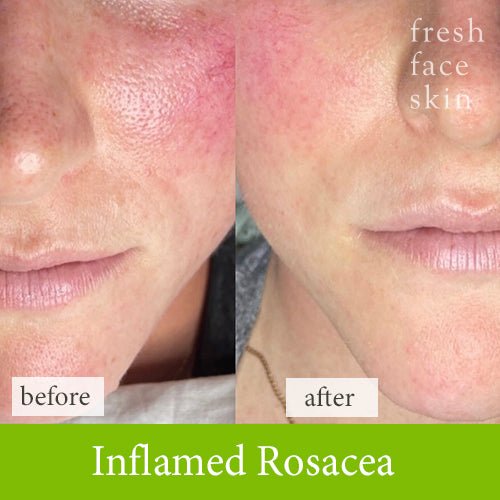
When you shift your focus to supporting the skin, rather than pushing it, everything begins to settle. Hydration levels improve, redness reduces, and the skin starts to feel more stable again.
This doesn’t require a complicated routine.
In fact, the most effective approach is often the simplest.
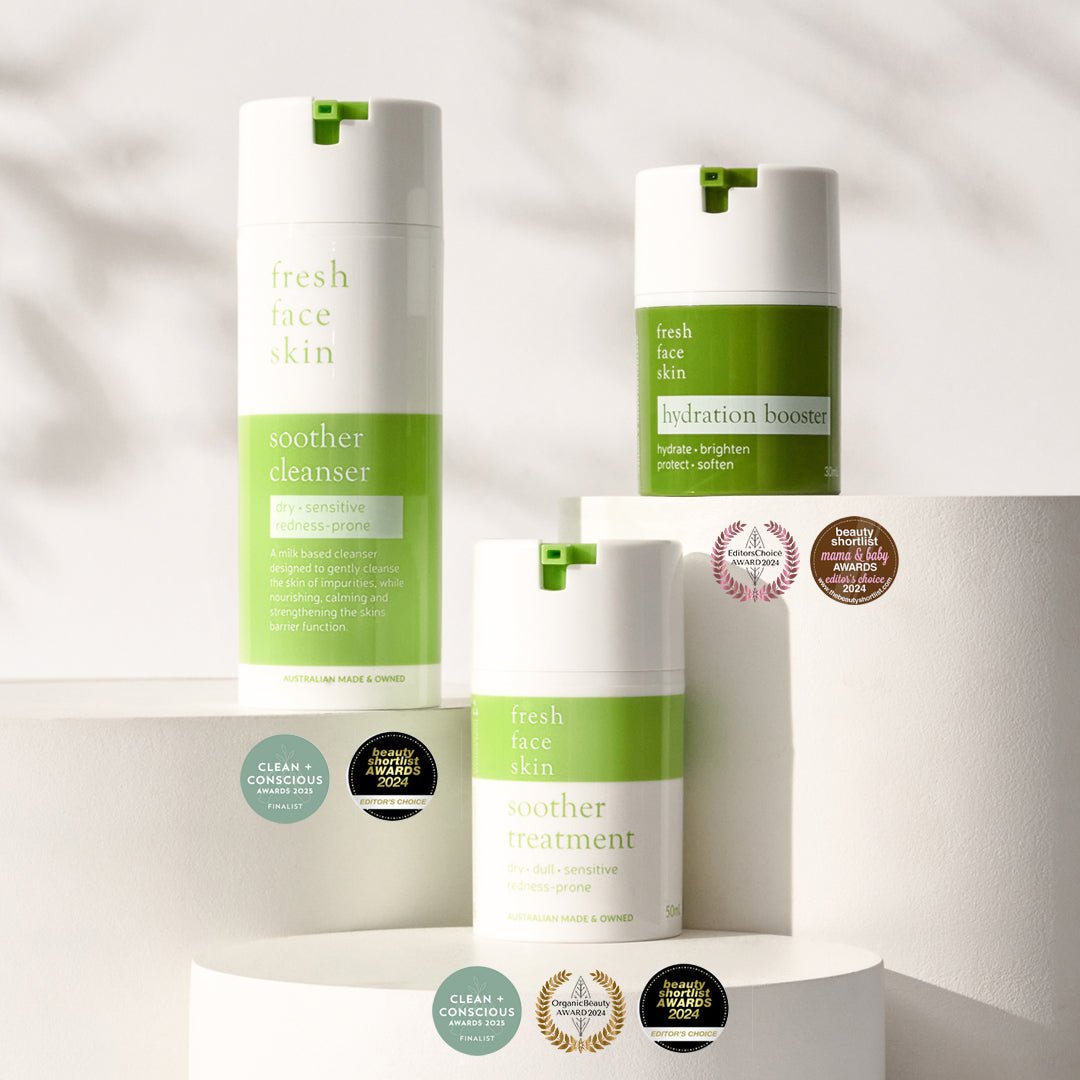
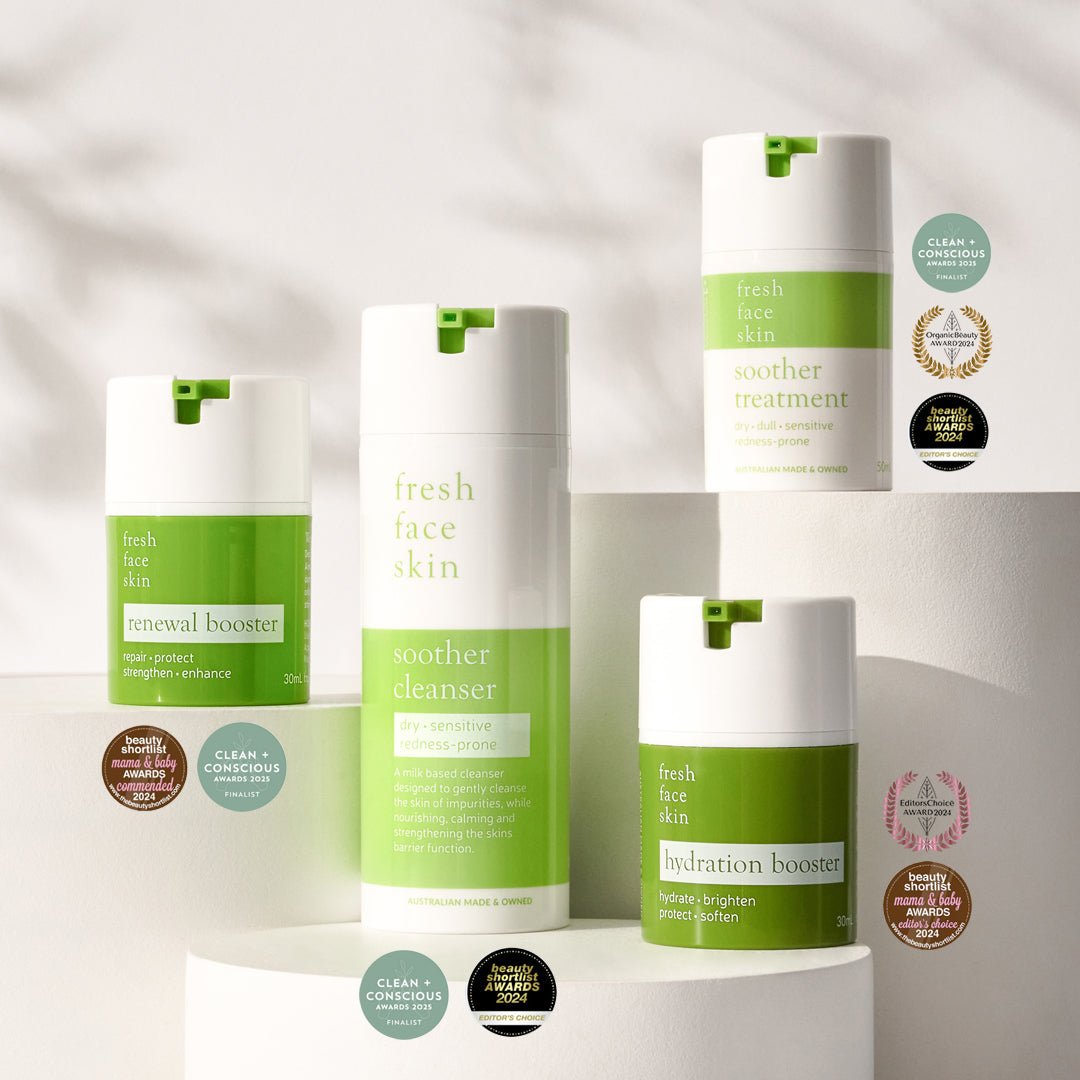
A gentle, nourishing cleanse to remove the day without stripping the skin.
Hydration layered back into the skin with supportive ingredients.
And barrier-focused products, rich in ceramides and calming extracts that help restore comfort and resilience.
This is where lighter, calming support becomes important. A mist to keep hydration levels steady throughout the day. A serum that supports water content and overall skin function. And a moisturiser or oil that helps reinforce and protect the skin barrier.
When these steps are done consistently, the skin begins to respond.
- You’ll notice less tightness.
- Less reactivity.
- More consistency in how your skin looks and feels.
And from there, results start to build.

Which brings us to a question we’re often asked:
On average, how long does a new skincare routine take to show results?
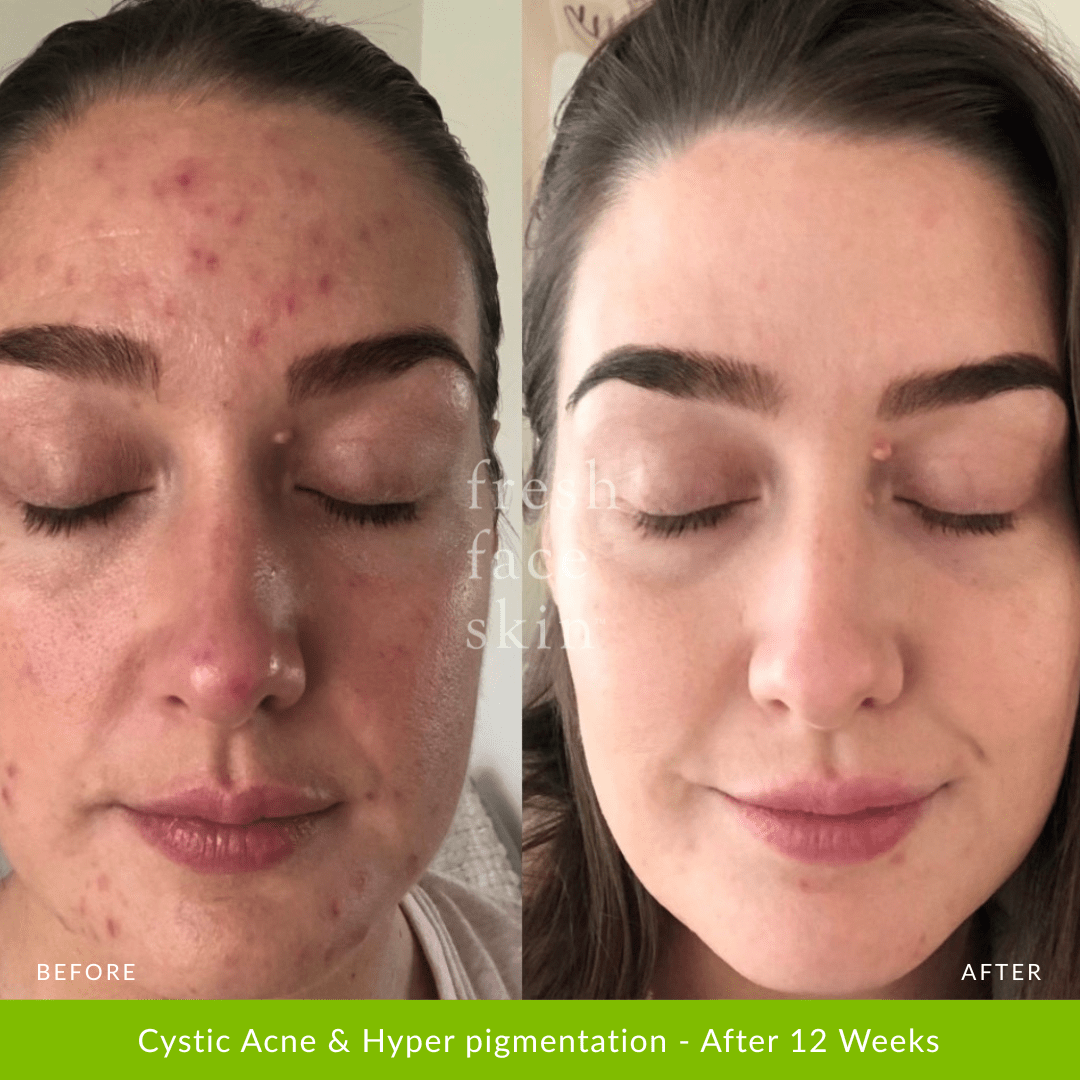
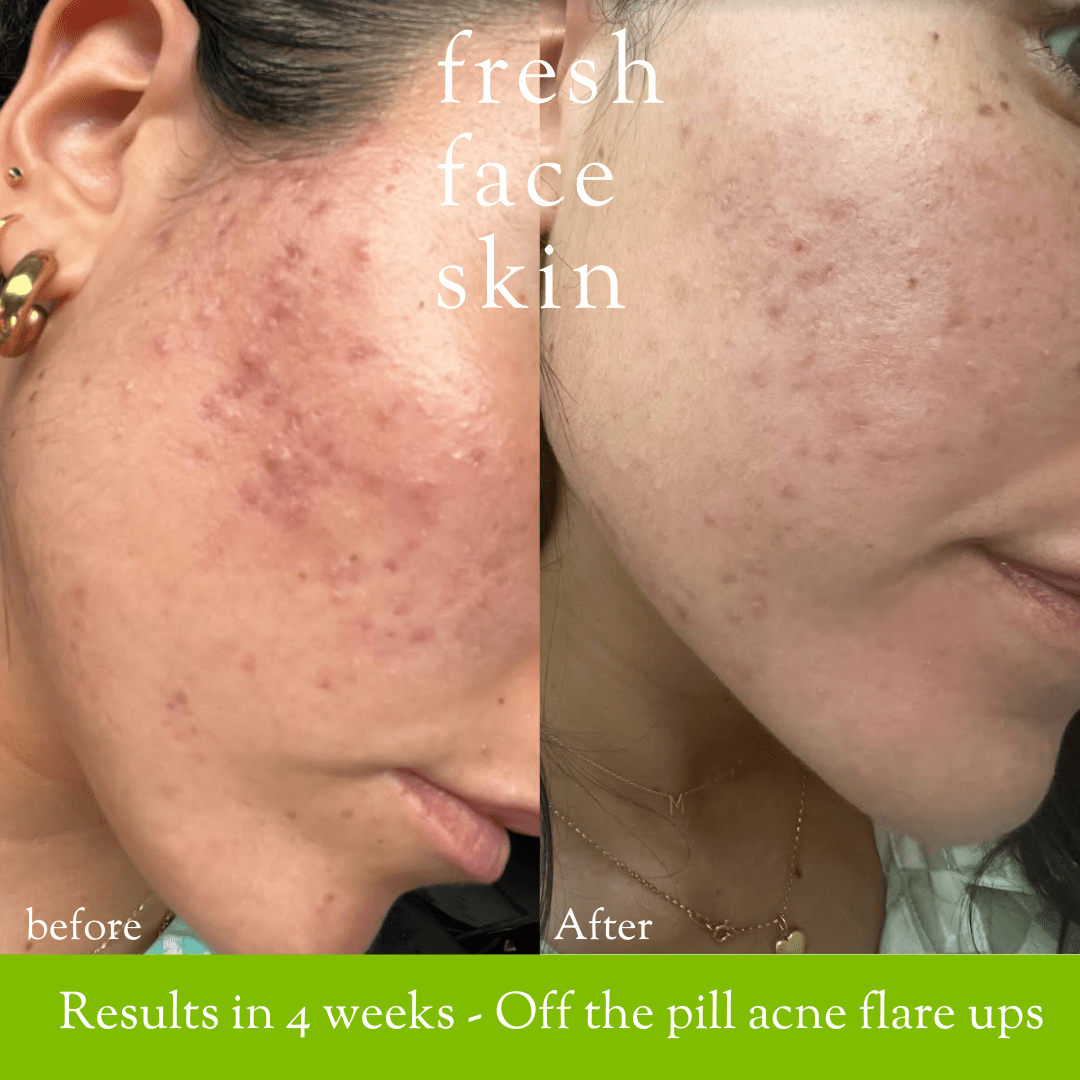
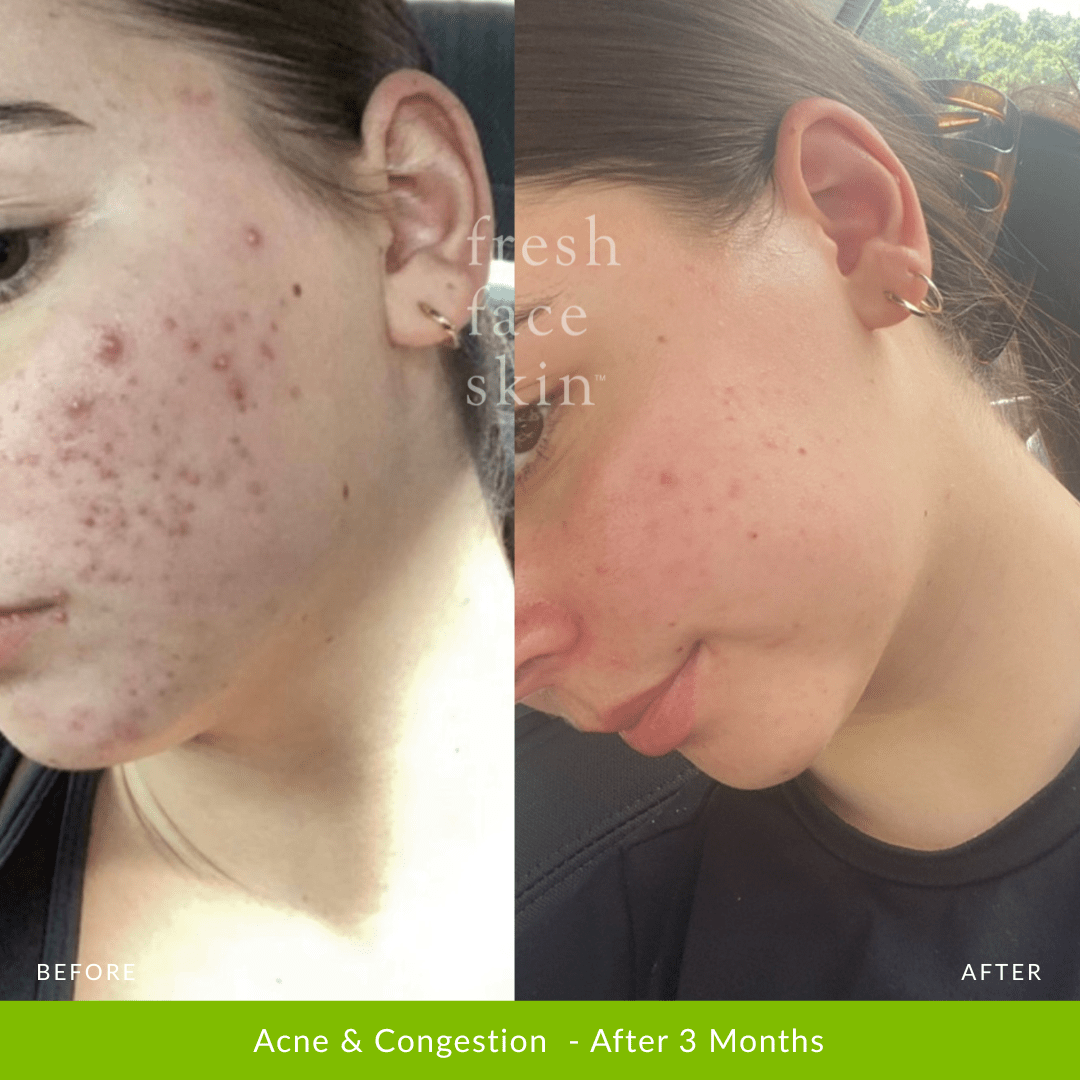
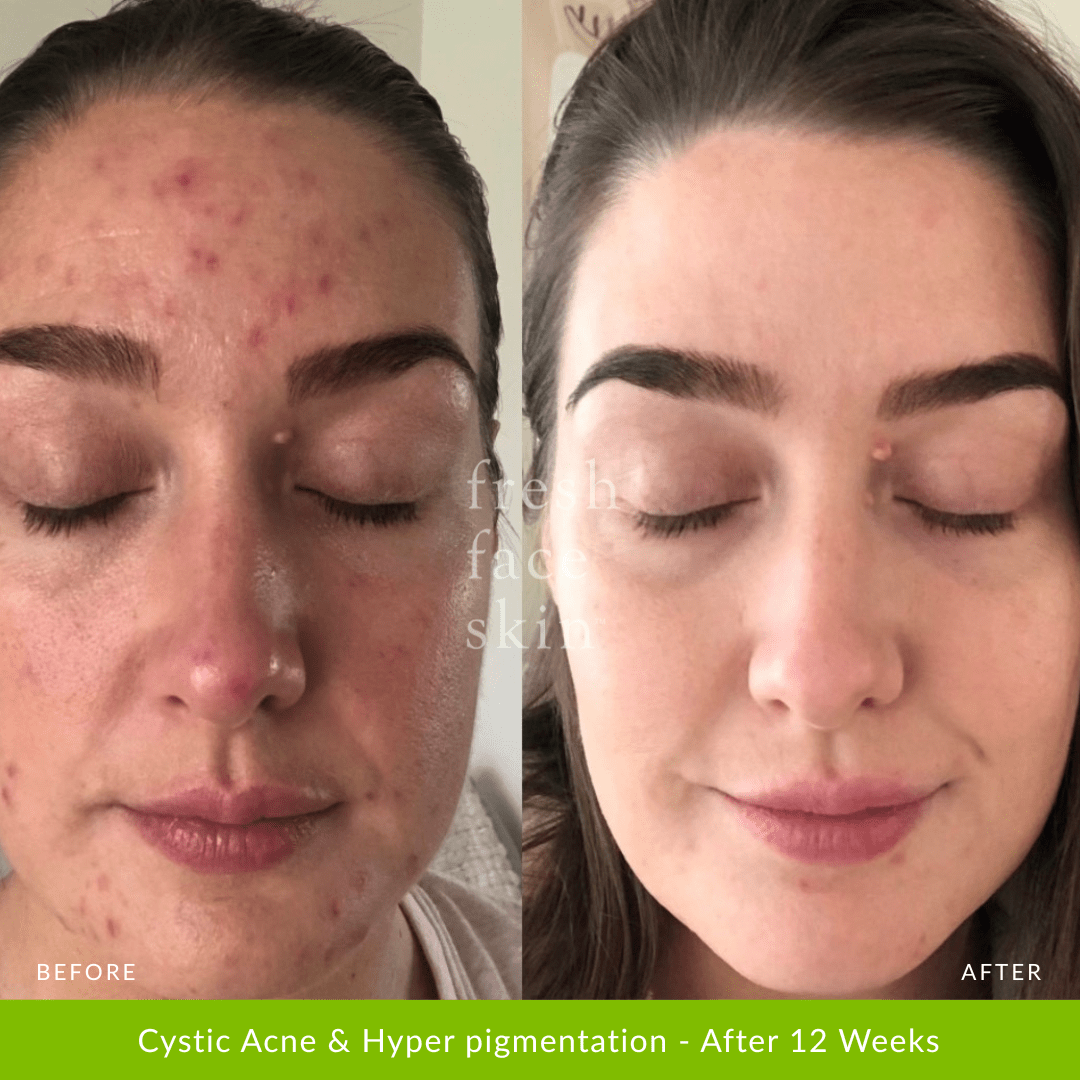
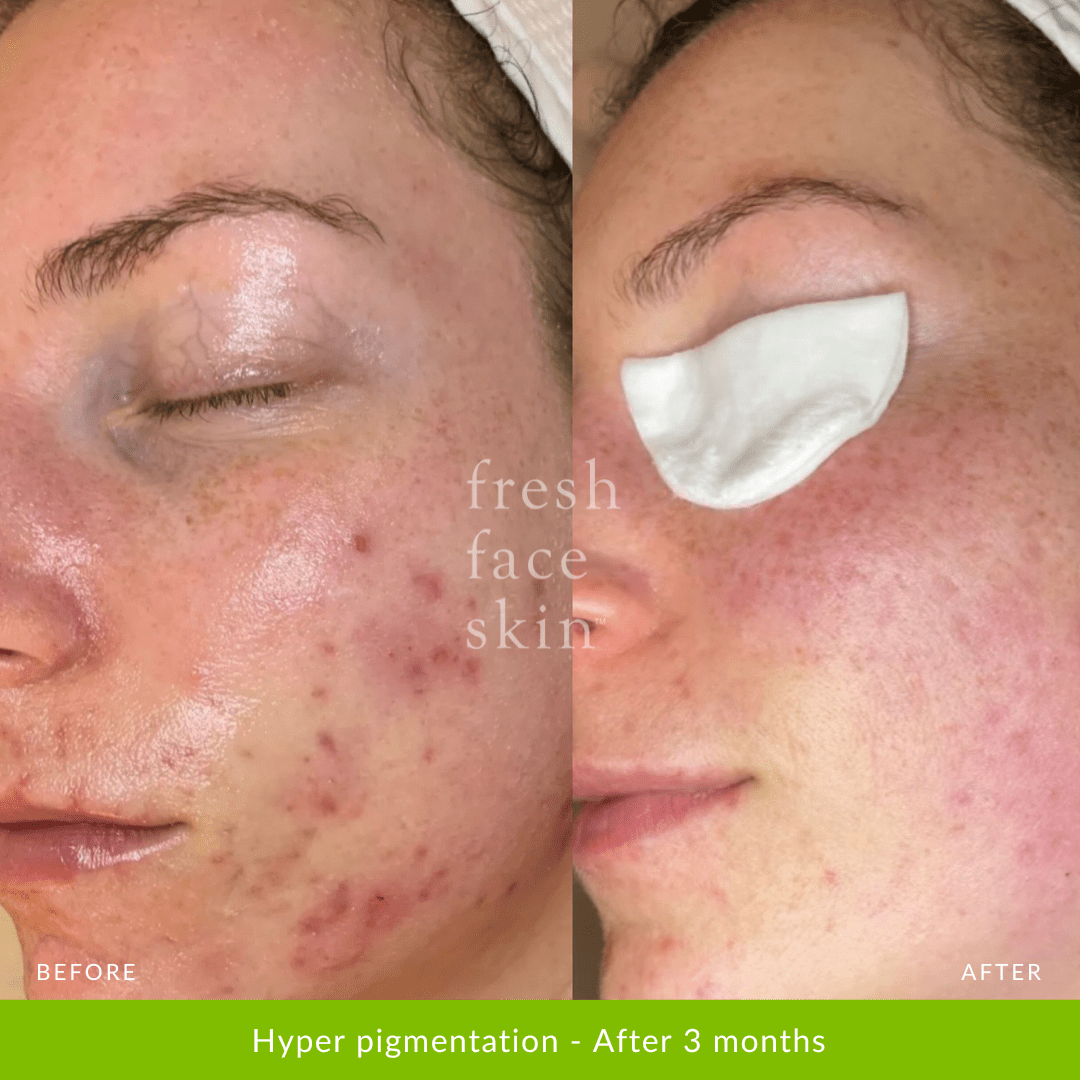
In most cases, you’ll begin to notice small shifts within 2–4 weeks. This might look like improved hydration, less redness, or a more comfortable skin feel.
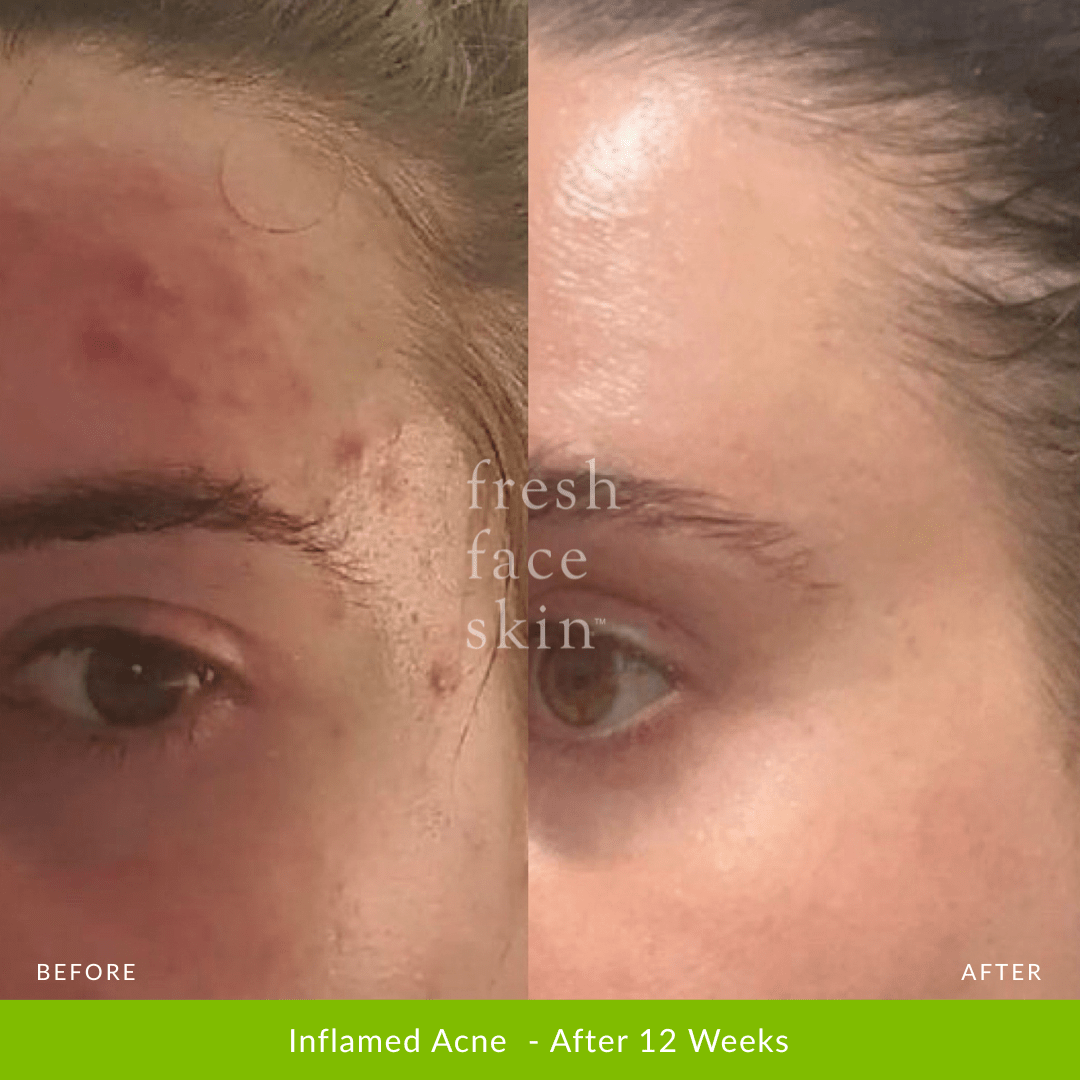
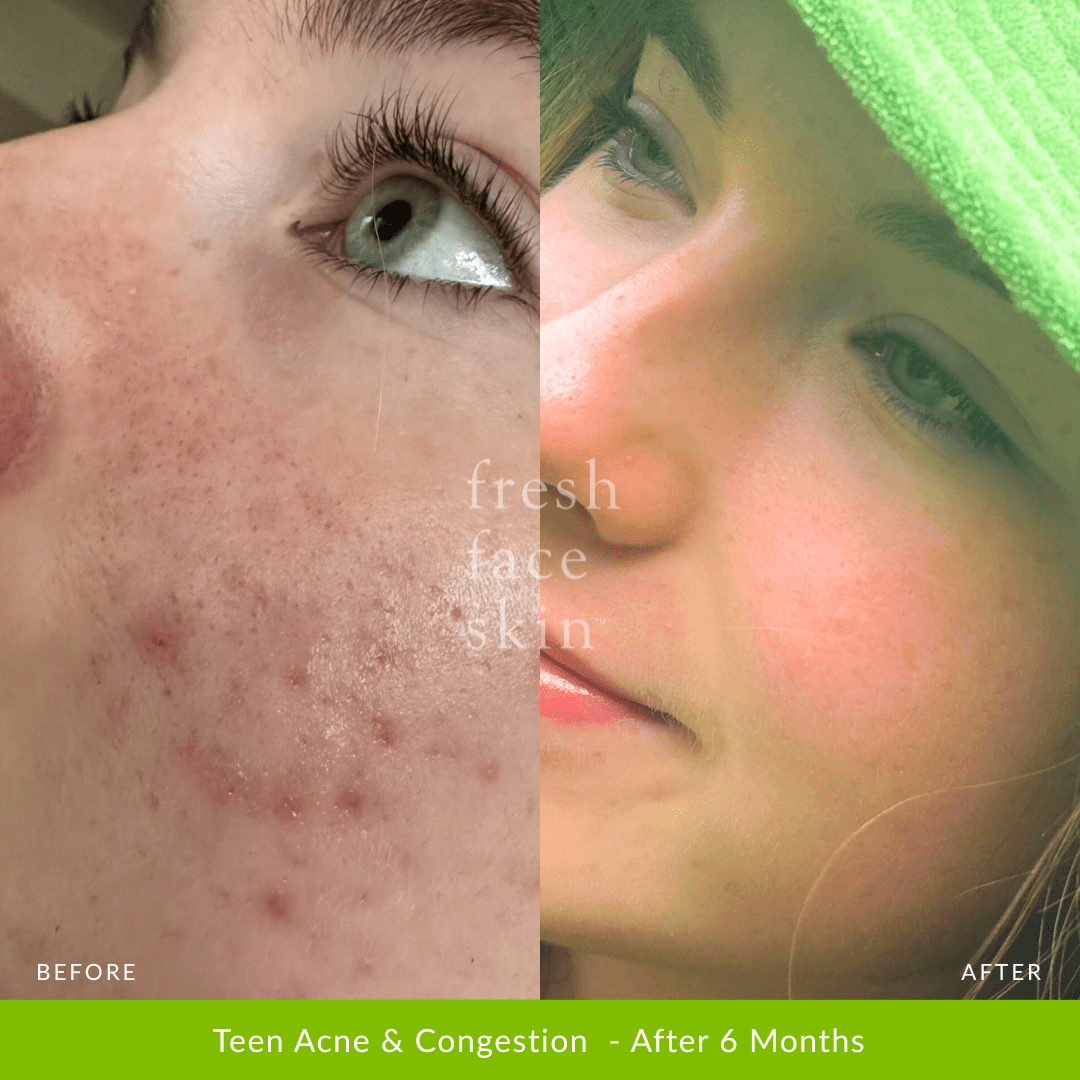
More visible changes such as smoother texture, improved tone or clearer skin typically take around 6–8 weeks.
During autumn, this process can take a little longer.
If the skin barrier has been compromised, the skin will prioritise repair first. Until that’s supported, visible results tend to slow down.
This is where consistency becomes everything.
A simple, supportive routine done daily will always outperform a routine that is overly active or constantly changing.
If your skin has been feeling tight, reactive or not quite like itself, it’s often a sign the barrier isn’t holding water as well as it should.
When this happens, the focus isn’t more actives, it’s restoring how the skin functions day to day.
That means supporting water levels within the skin, reducing unnecessary stimulation, and reinforcing the barrier so it can do its job properly again.
When the barrier is supported, hydration sits where it should, irritation settles, and the skin can respond more effectively to anything else you’re using.
Autumn isn’t about adding more.
It’s about supporting the skin properly, and doing it consistently.