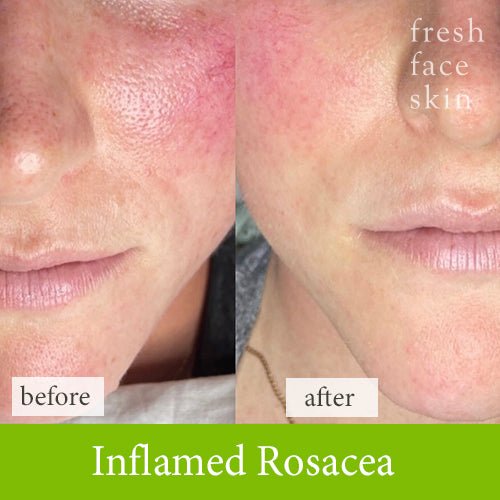
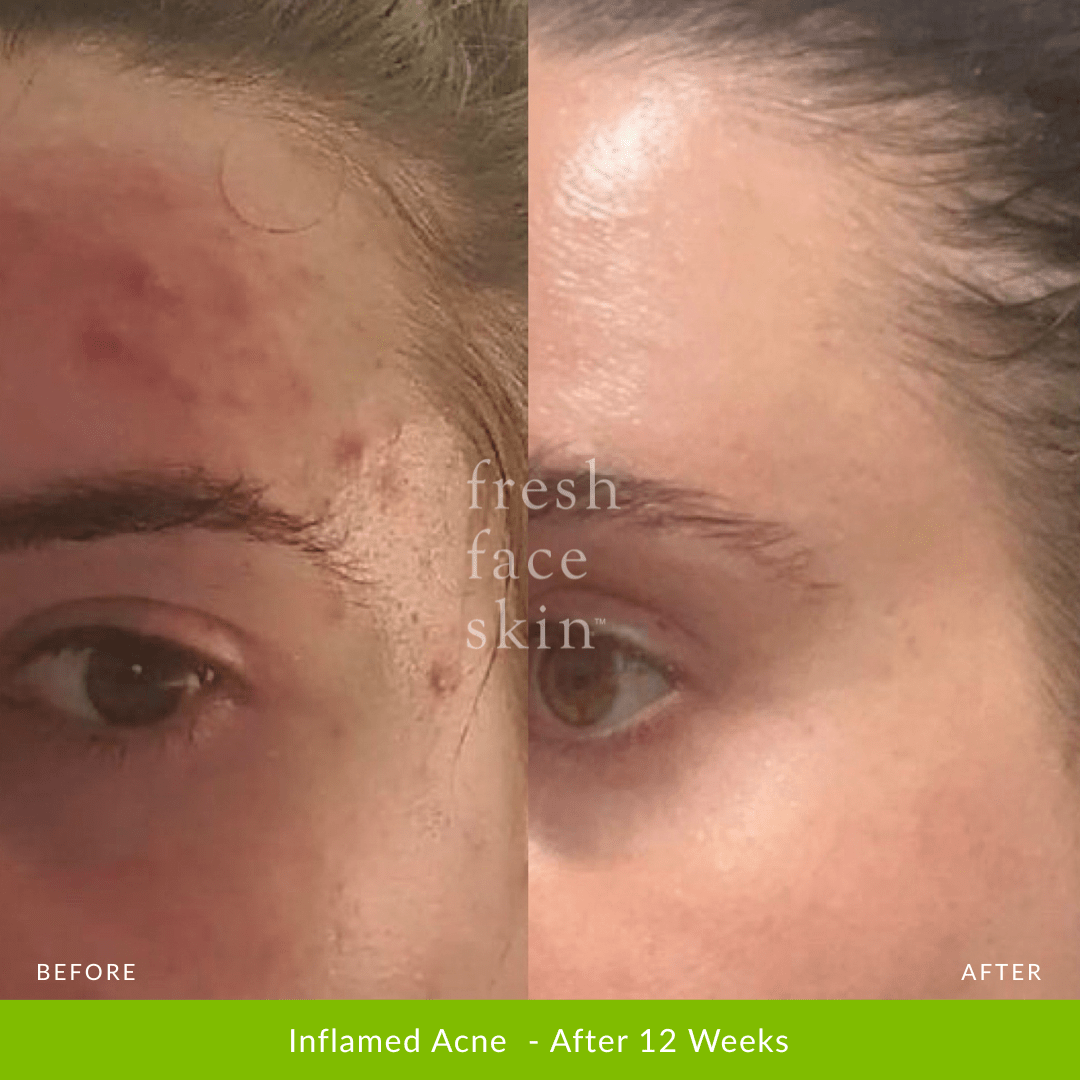
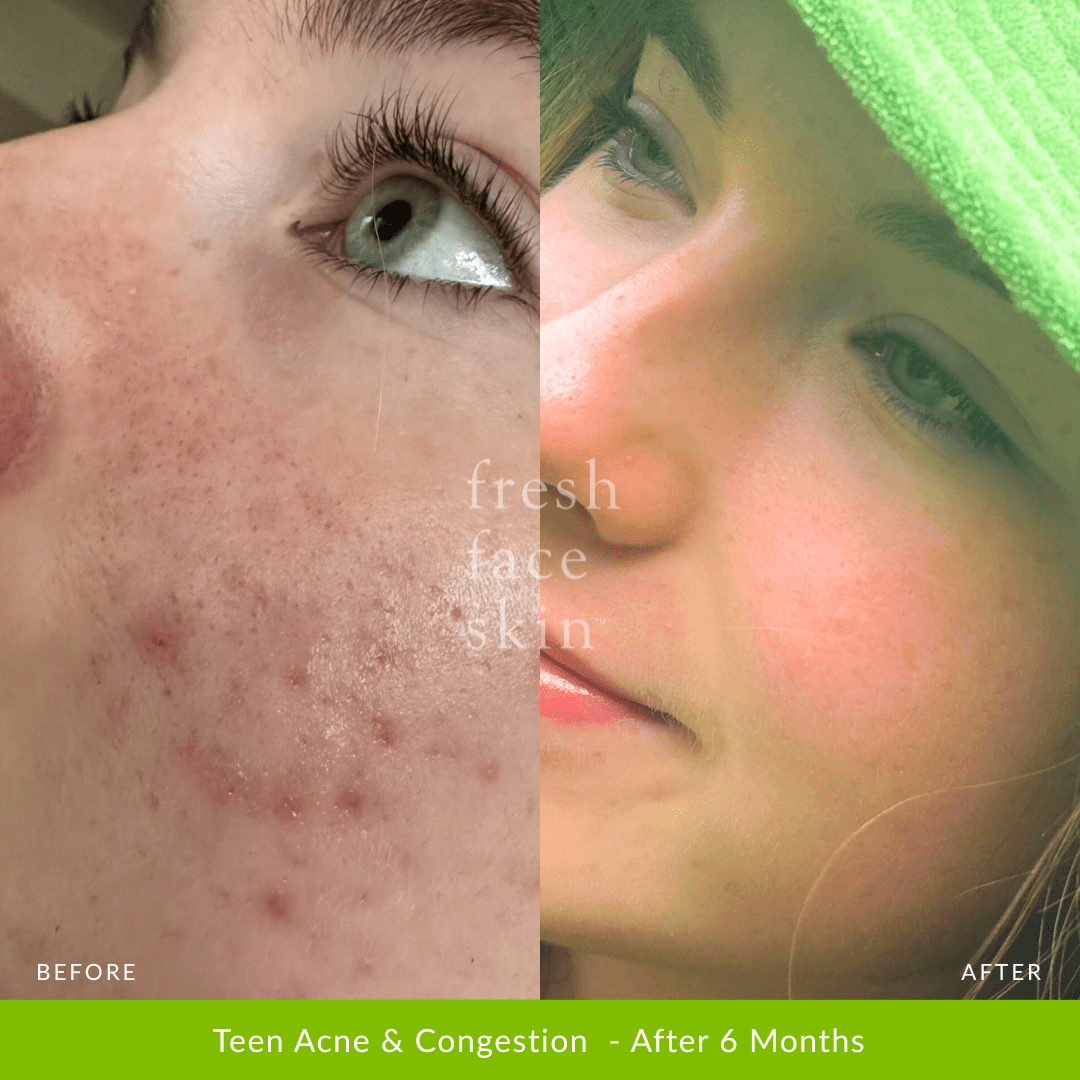
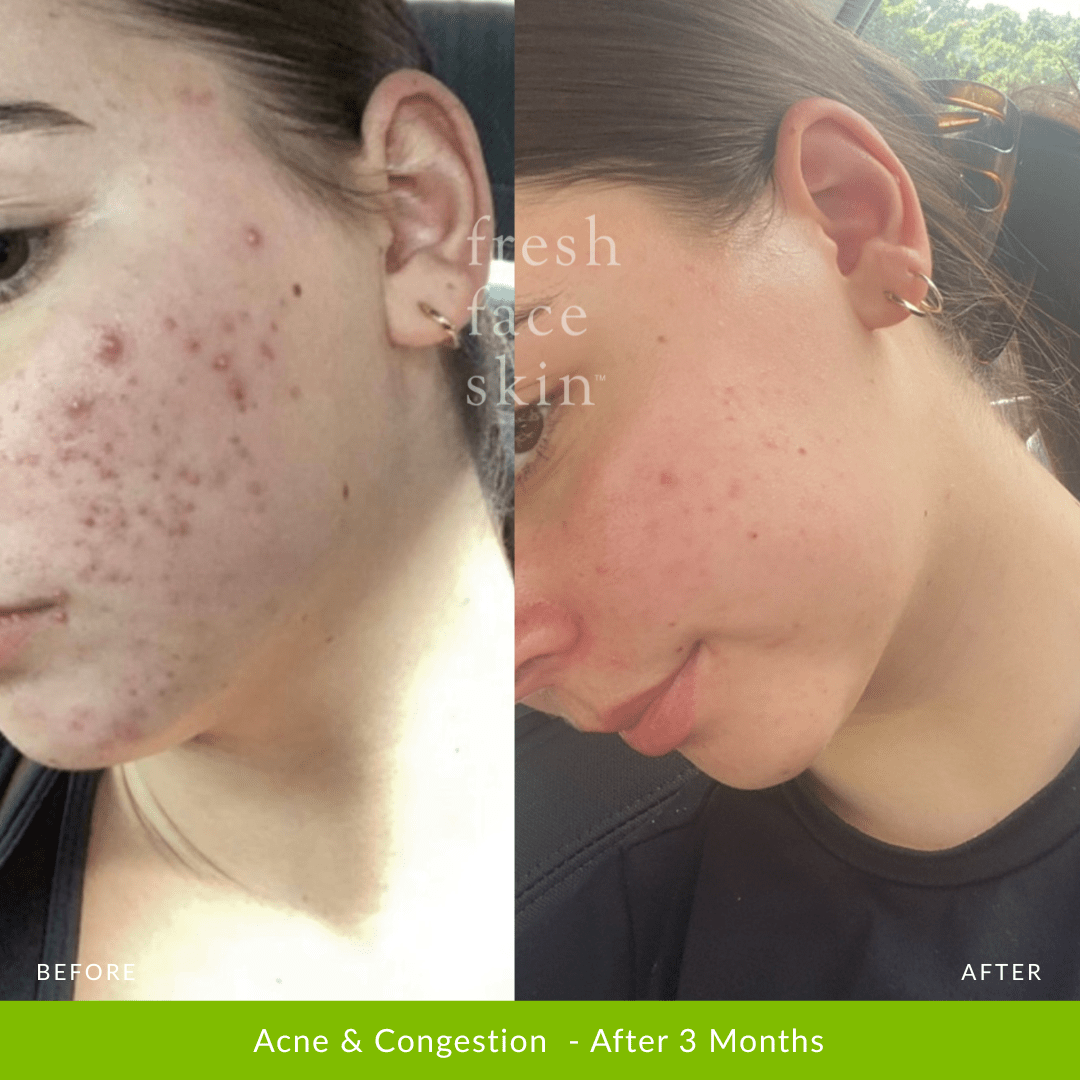
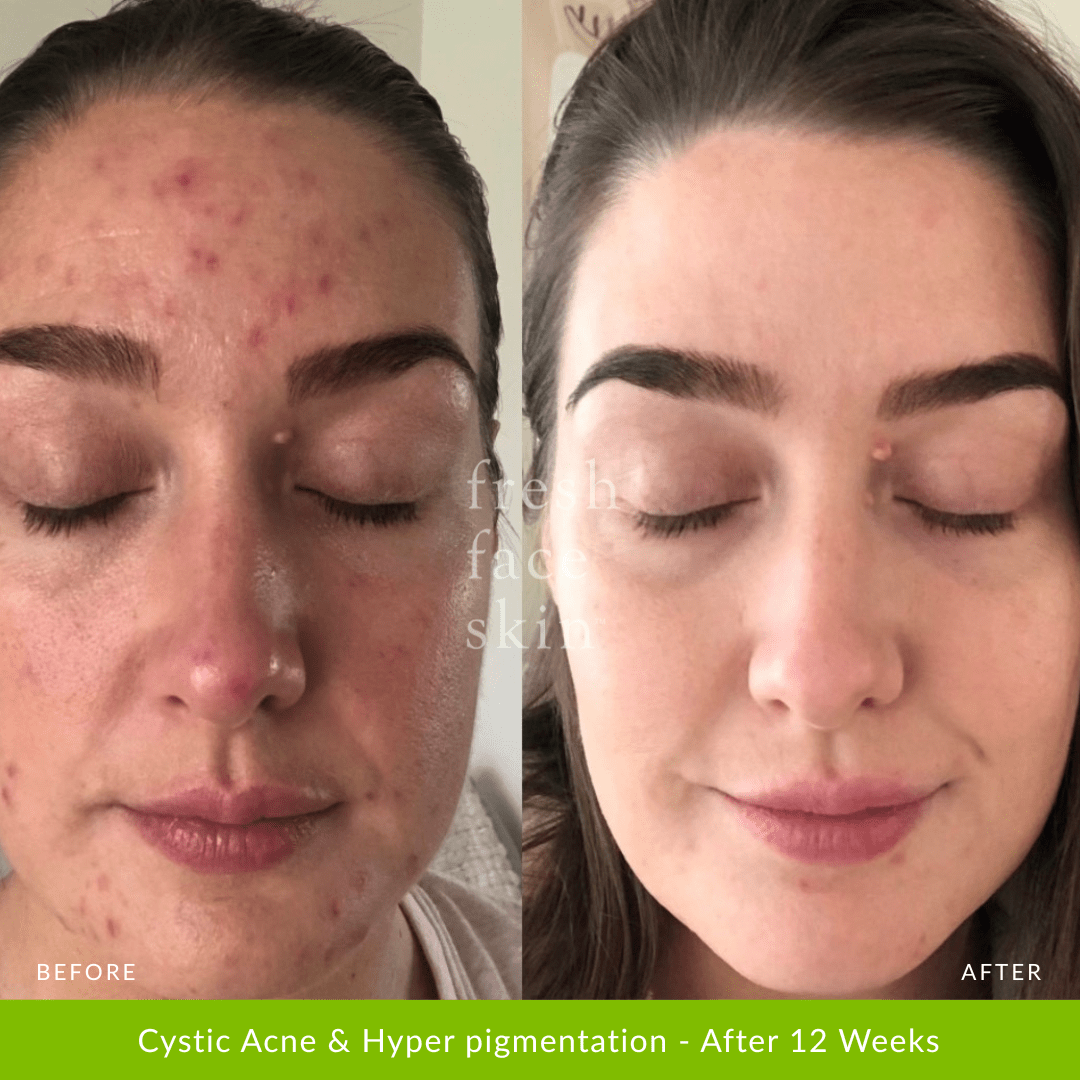
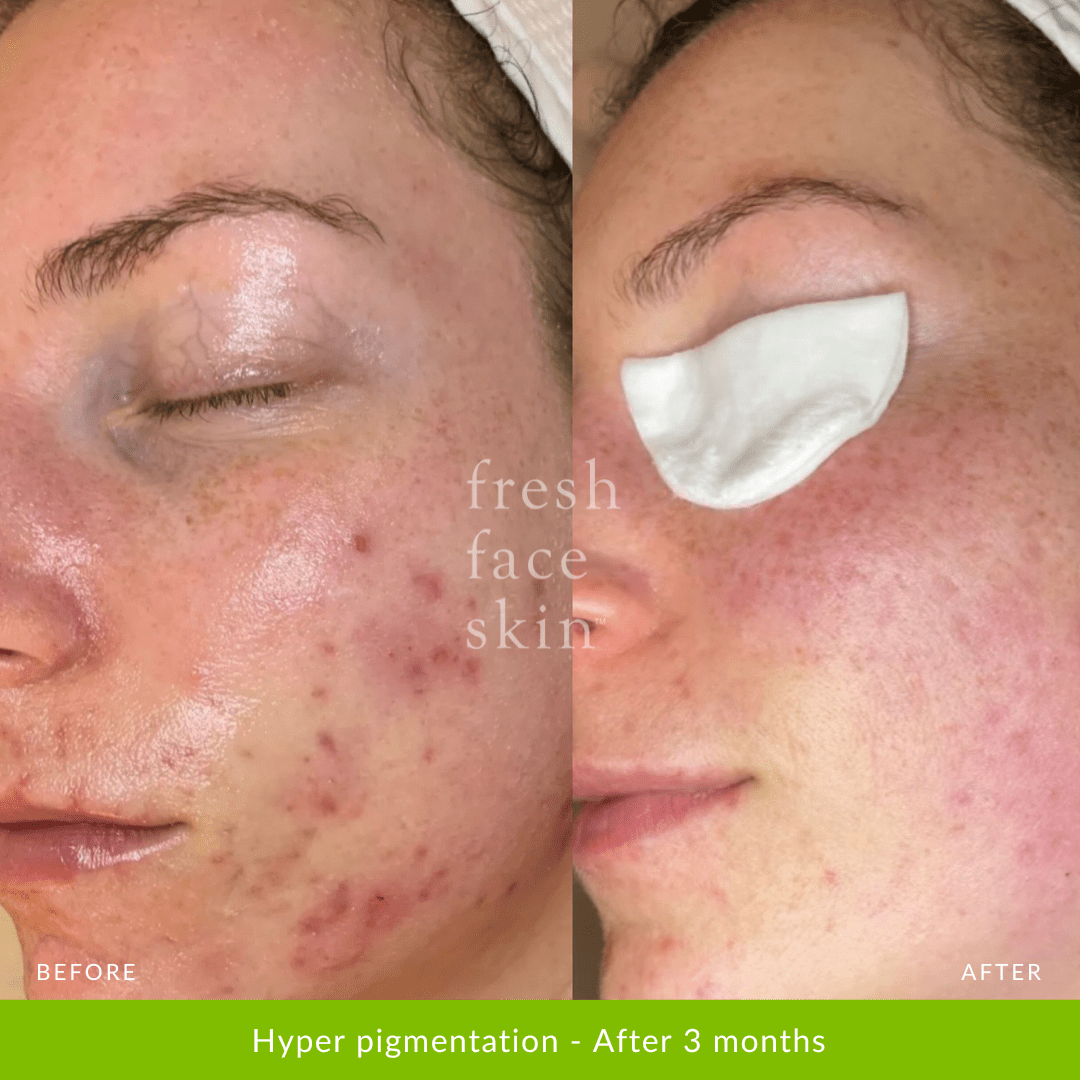
If you’ve ever felt like you need to ‘strip’ your breakouts away to see results, you’re not alone.
For years, acne care has been built around strong actives, harsh exfoliation, and drying products. And while these can create short-term change, they often leave the skin feeling tight, reactive, and harder to manage long-term.
What we’re seeing more now - and what we’ve always believed - is that clear skin doesn’t come from force. It comes from balance.

Why harsh routines aren’t working anymore
When the skin barrier is compromised, everything becomes louder.
- Breakouts last longer.
- Redness increases.
- Sensitivity builds.
And often, the instinct is to do more - more exfoliation, more actives, more switching between products.
But this cycle can keep the skin stuck.
A compromised barrier struggles to regulate oil, support healing, and maintain a healthy microbiome - all key factors in managing acne.

What breakout-prone skin actually needs
Instead of stripping the skin back, the focus is shifting to:
- Supporting hydration
- Strengthening the skin barrier
- Using targeted actives in a controlled, consistent way
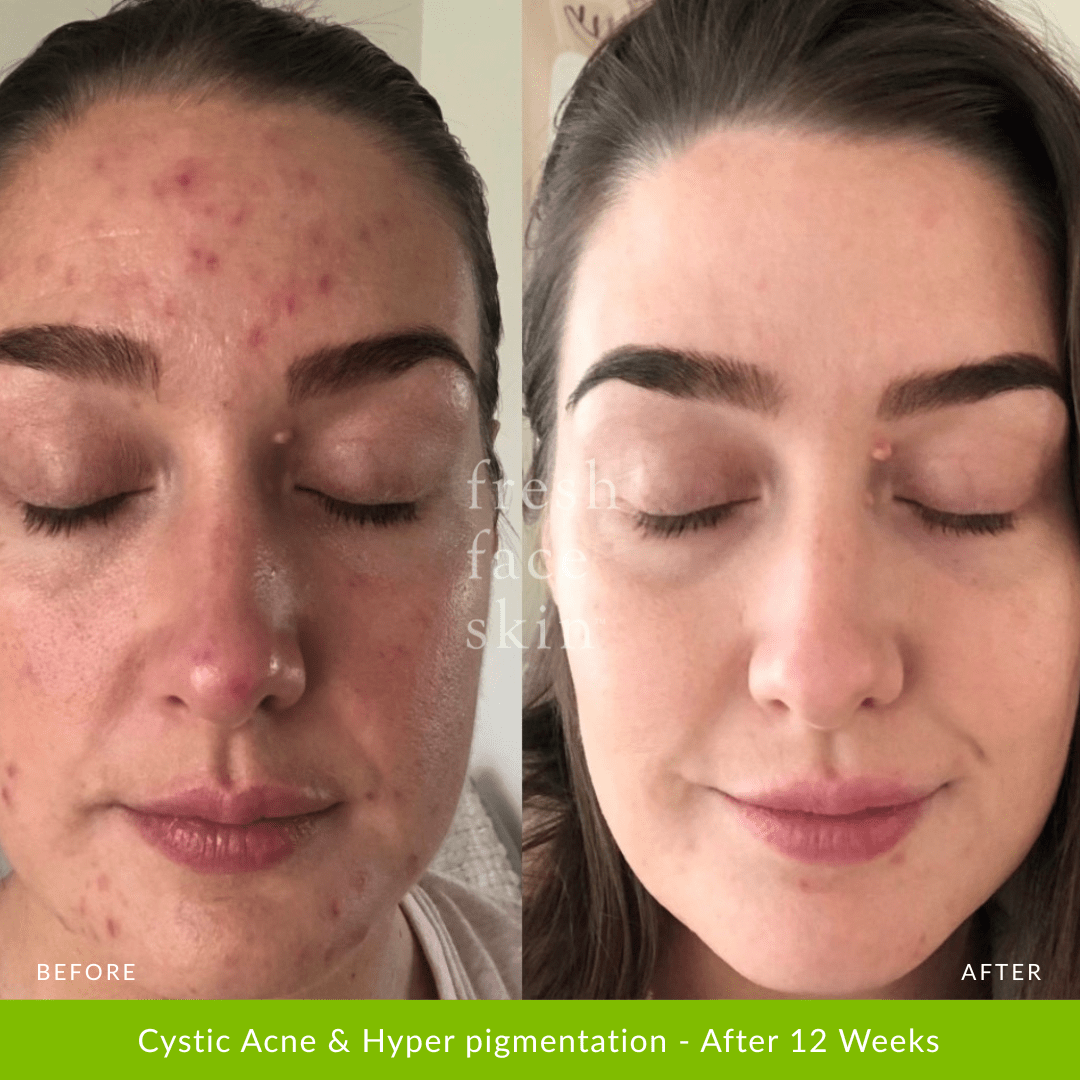
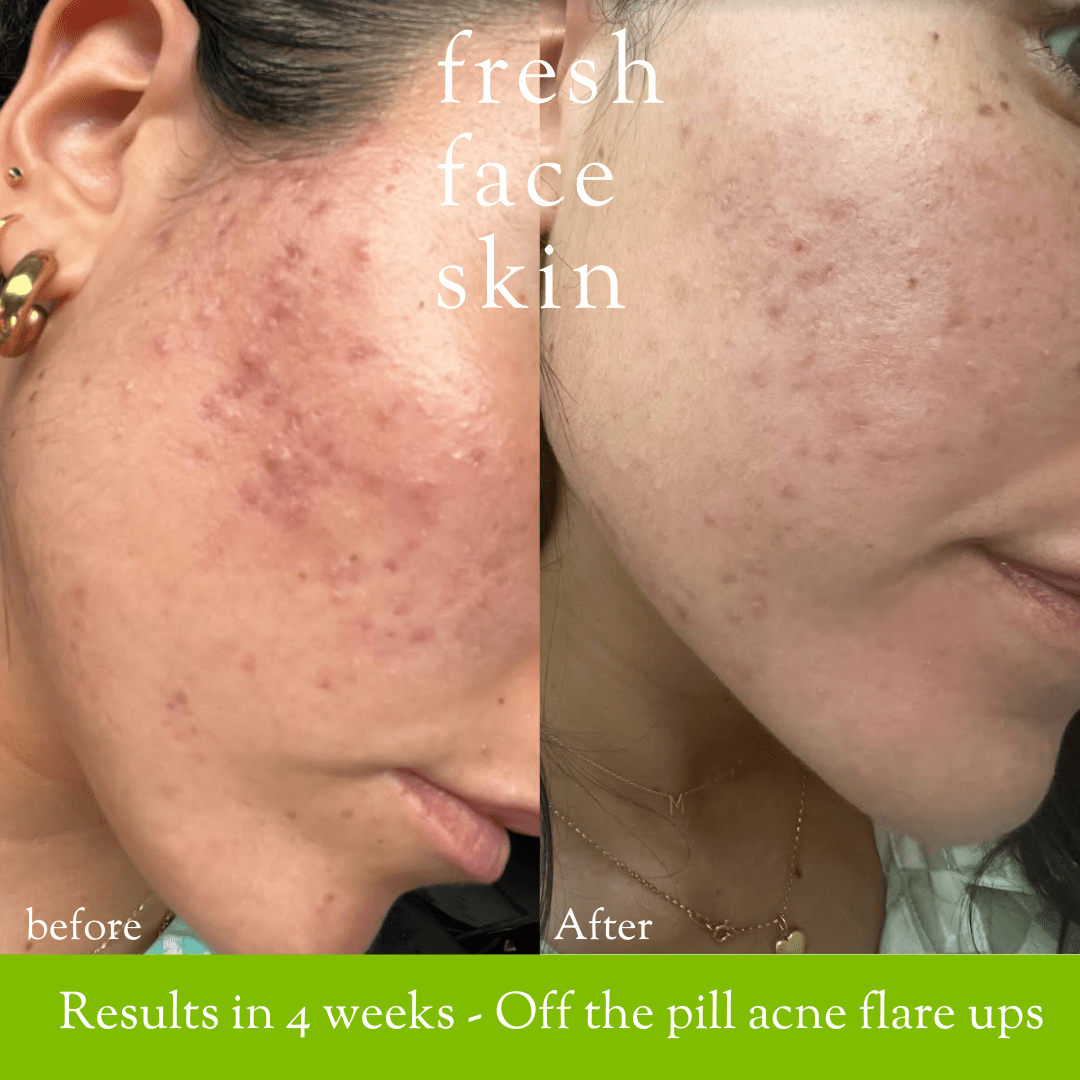
This is where a calmer routine creates real change.
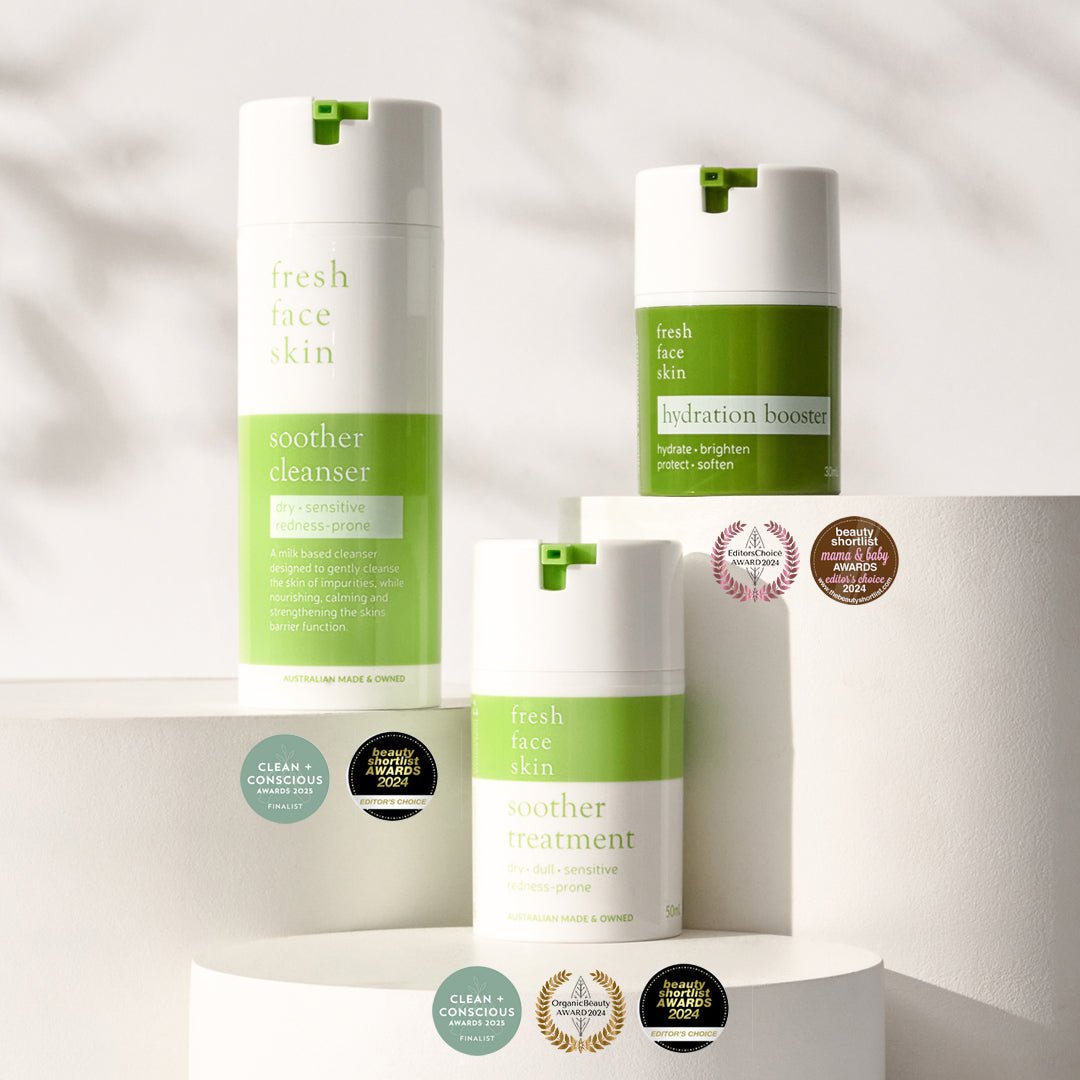
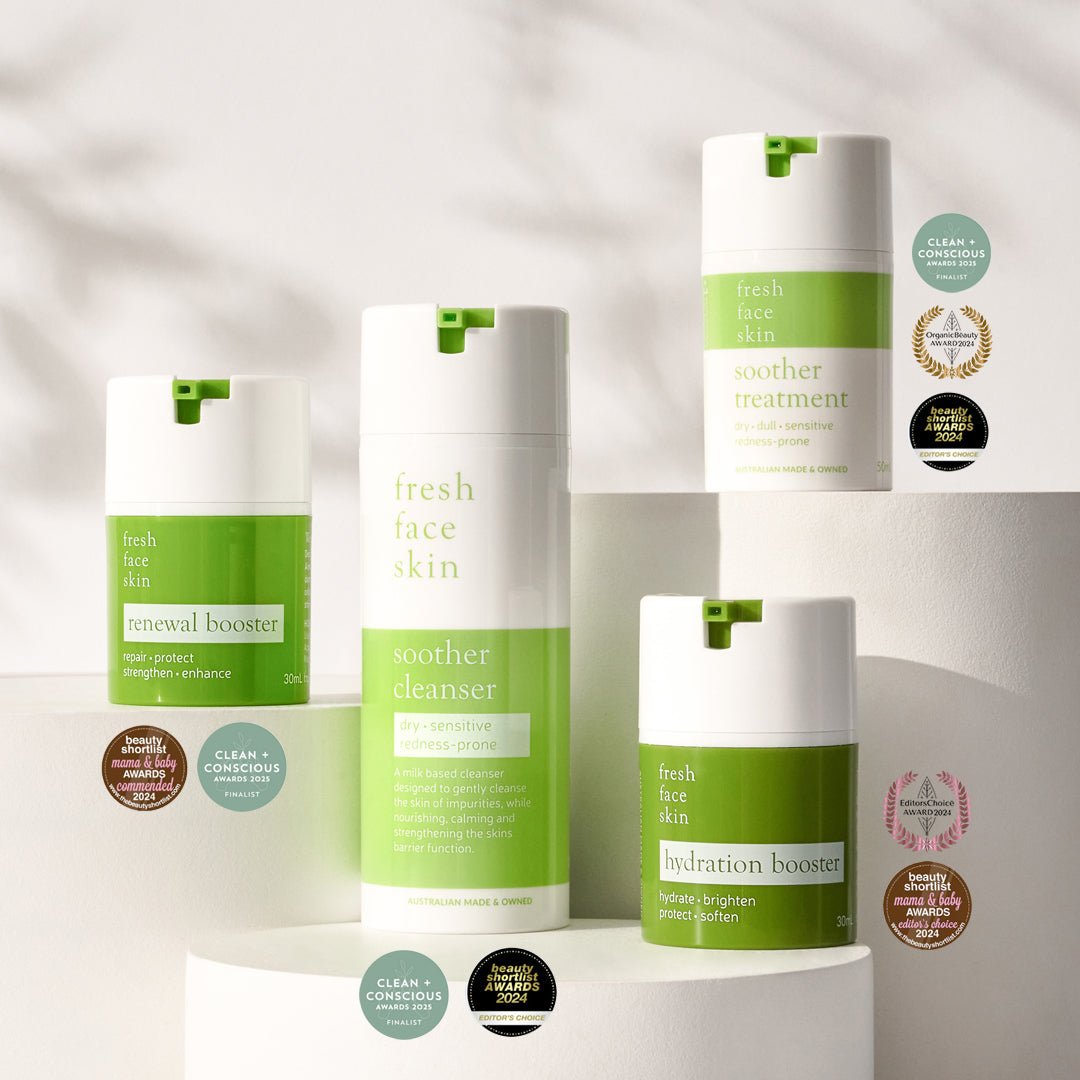
A gentle but deep cleanse with the Healer Cleanser helps remove buildup without disrupting the skin.
Followed by hydration support - think ingredients like hyaluronic acid and niacinamide (Vitamin B3) - to help regulate oil and calm inflammation.
From there, targeted treatments like the Healer Treatment can support breakouts without overwhelming the skin.
And when it comes to exfoliation, it’s not about removing it entirely - it’s about using it wisely.
A product like the AHA & Enzyme Exfoliator used a few times a week can help keep pores clear while still respecting the barrier.
The shift toward consistency over intensity
One of the biggest changes we’re seeing is moving away from ‘quick fixes’ and toward routines that feel sustainable.
Skin responds best when it knows what to expect.
When you’re constantly changing products or overloading it with actives, it can’t regulate properly. But when you give it the same, supportive inputs consistently, it starts to function the way it’s designed to.
Clearer, calmer, more resilient skin becomes the result - not the chase.
Common questions
Do I need to stop using actives if I have acne?
Not at all. Actives can be incredibly helpful - it’s just about how and how often you’re using them. Pairing them with barrier-supportive products such as the Soother treatment & Recovery mask helps reduce irritation and improves long-term results.
Why does my skin feel worse when I use strong acne products?
Often, it’s a sign the barrier is becoming compromised. When this happens, inflammation increases and breakouts can become more persistent, even if the intention is to clear them.
Can hydration really help with breakouts?
Yes. When the skin is properly hydrated, it can regulate oil more effectively, support healing, and reduce irritation - all of which play a role in managing acne.
Clear skin isn’t about doing more.
It’s about doing the right things, consistently - and giving your skin the support it needs to work with you, not against you.