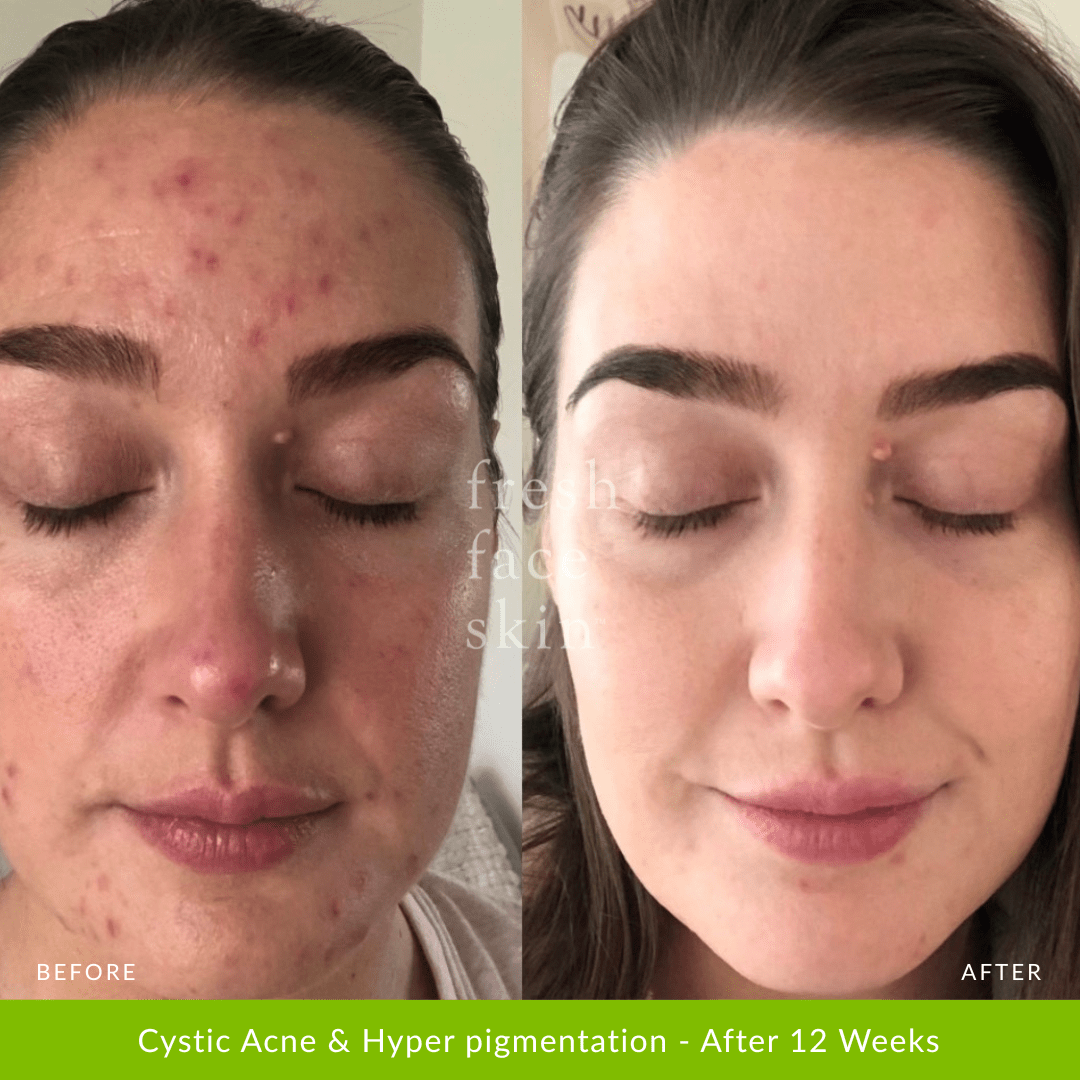
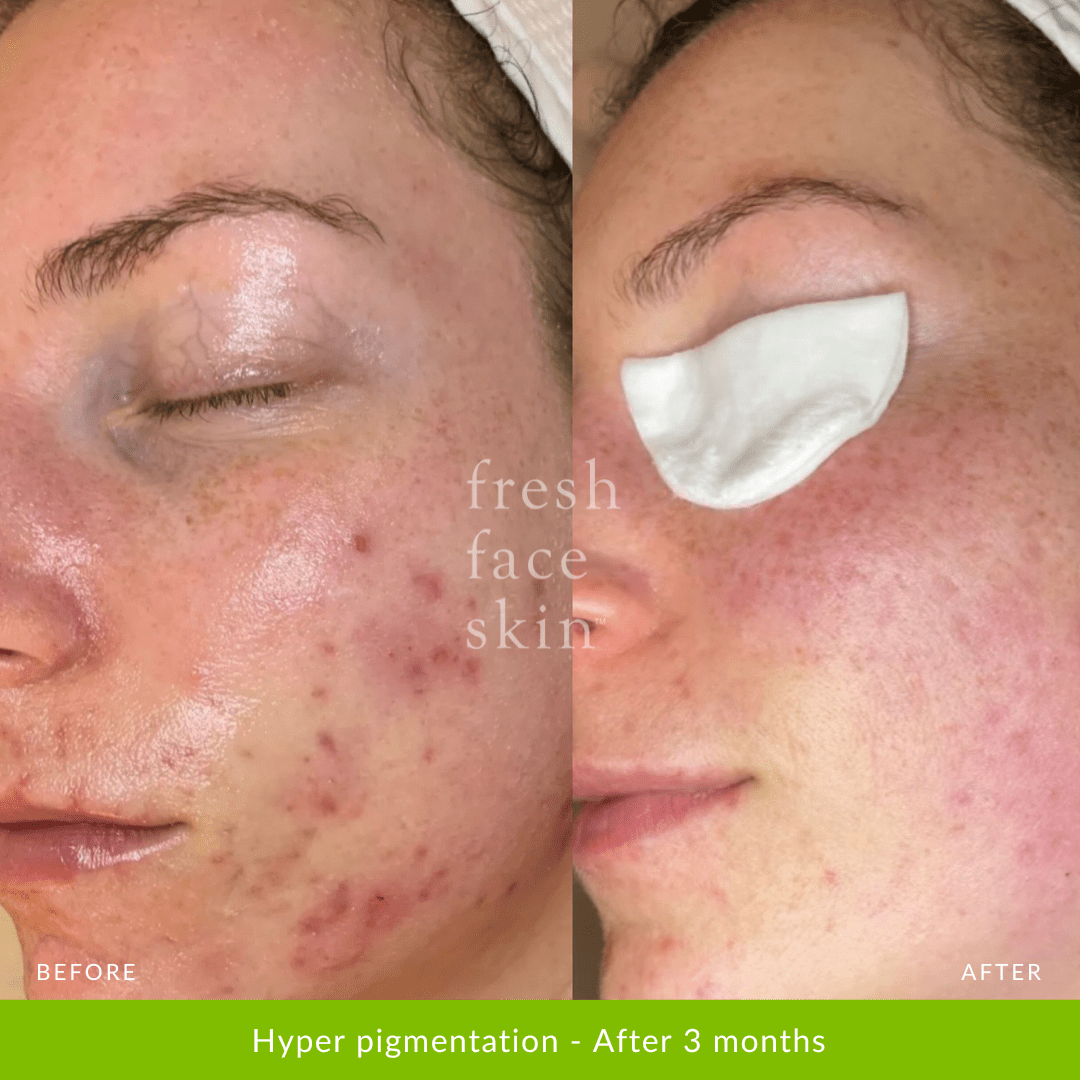
If you feel like your skin flares up at the same time each month, you’re probably not imagining it.
Hormonal breakouts often follow a pattern. They can appear around the chin, jawline, cheeks or neck, and usually show up before your period arrives.
The key is learning when your skin is most likely to change, so you can start supporting it before the breakout fully appears.
Your cycle can affect oil flow, oil quality, inflammation, hydration levels and how reactive your skin feels. This is why a simple, consistent routine is so important.
Instead of changing everything once your skin flares, it’s better to understand what phase you’re in and adjust your routine gently.

How Your Menstrual Cycle Can Affect Hormonal Breakouts
Your skin can change throughout the month as your hormones naturally shift. Some phases may leave your skin feeling calmer and more balanced, while others may increase oiliness, congestion, inflammation or sensitivity.
Understanding these changes can help you support your skin earlier, rather than reacting once a breakout has already surfaced.
Menstrual Phase: Days 1–5
During your period, your skin may feel more sensitive, dry, dull or depleted. This is the time to focus on hydration and barrier support.
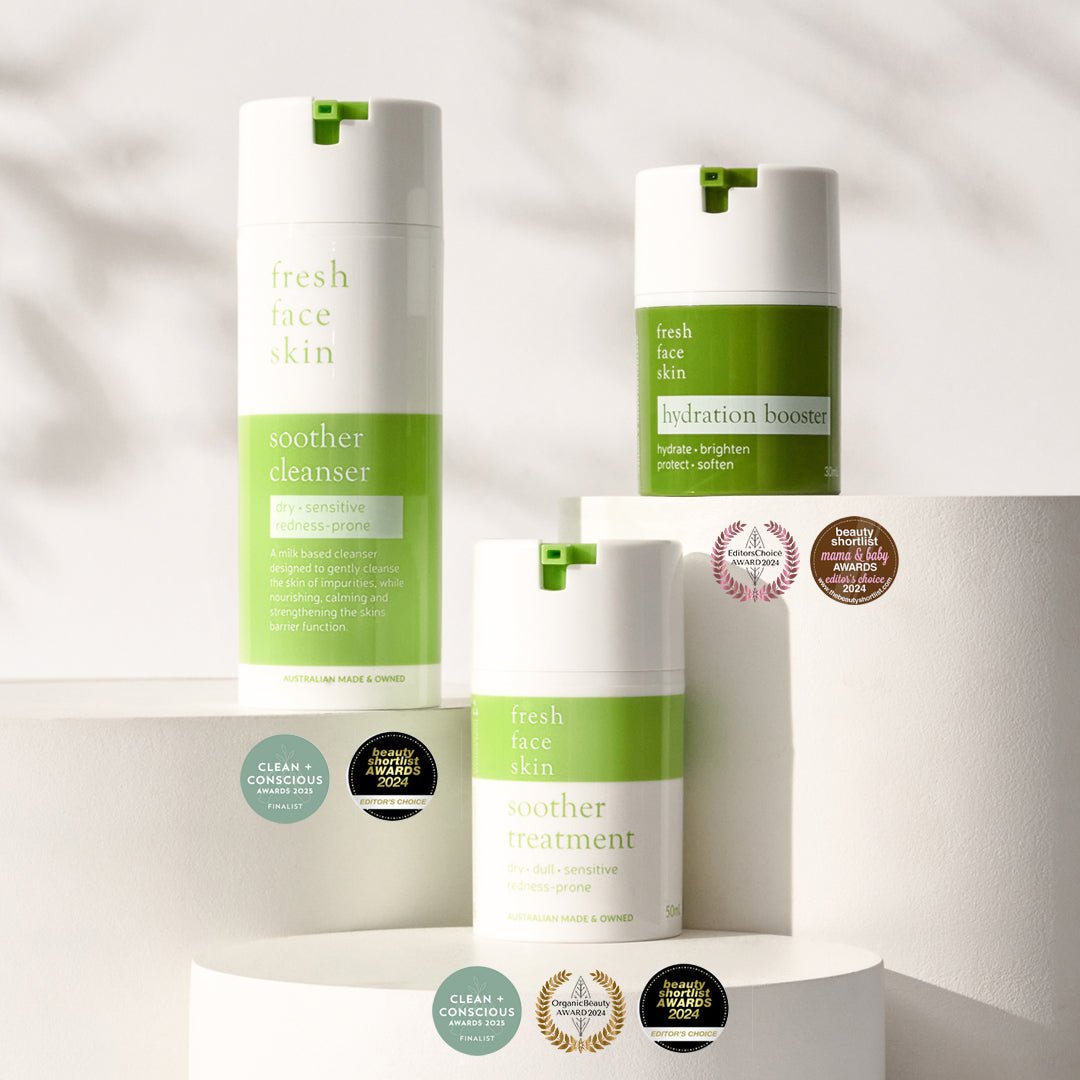
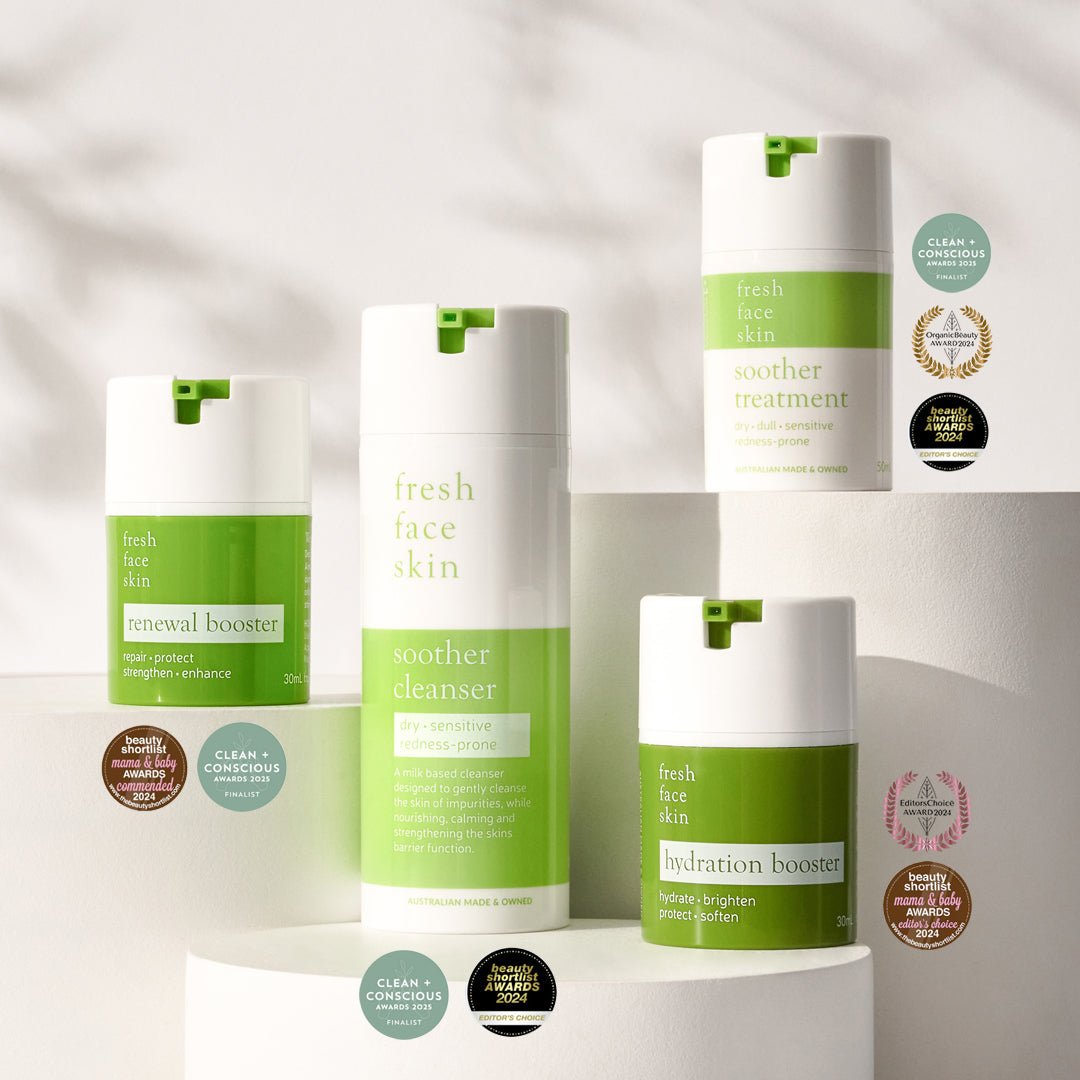
Keep your routine simple. The Hydrate Me Starter Pack is a great base because it includes Soother Cleanser, Hydration Booster and Soother Treatment. These work together to gently cleanse, support hydration and help maintain the skin’s lipid barrier.
If your skin often feels dry, tight or reactive, you may also find this blog helpful: Why Skin Barrier Repair Comes First.
Follicular Phase: Days 6–13
This is often when the skin feels more balanced. You may notice less redness, more glow and a calmer skin texture.
This is the best time to stay consistent. Keep using your core routine, avoid overcomplicating things, and focus on maintaining your skin rather than introducing too many new products.
Ovulation: Around Day 14
Around ovulation, some women notice their skin becomes slightly oilier.
This doesn’t always mean a breakout is coming, but it can be a sign to watch for congestion, blocked pores or small bumps forming under the skin.
This is where consistency matters. Keep cleansing both morning and night, maintain hydration, and avoid stripping the skin with harsh quick fixes, as this can trigger more imbalance.
If breakout-prone skin often leaves you feeling like you need stronger products, read: Breakout-Prone Skin? The Case for a Calmer Routine.
Luteal Phase: Days 15–28
This is the phase where hormonal breakouts are most likely to appear.
Oil flow can increase and oil quality can thicken, inflammation may rise, and the skin can feel more congested or reactive.
Unsure where your cycle phases sit? We recommend tracking your period and how your skin responds over 3 months using a calendar or cycle-tracking app.
This helps you understand your own skin patterns, as every woman’s cycle and skin response can be different.
Instead of waiting for the breakout to surface, start supporting your skin around 7 days before you usually flare.
Supporting Hormonal Breakouts Before They Flare

This is where Healer Cleanser and Healer Treatment can be helpful as targeted support products.
They have been designed for acne-prone, inflamed and oily skin, helping to clear surface bacteria, calm surface inflammation, support healing and balance excessive oiliness.
Used alongside the Hydrate Me Starter Pack, these products can support the skin through a hormonal phase by focusing on:
- Hydration support
- Barrier support
- Calming support
- Antibacterial support
- Healing support
The goal is not to attack the breakout. It’s to support the skin so it can stay calmer, stronger and more resilient through the hormonal shift.
Bring the Healer Cleanser into your night cleanse, and introduce Healer Treatment into both your morning and night routine as targeted spot support.

For more support around recurring hormonal breakouts, you may also like: Why Hormonal Acne Comes Back Like Second Puberty.
Internal Support Matters Too
Hormonal skin is not just a surface issue. Stress, inflammation, nutrient intake, gut health and nervous system load can all influence how the skin behaves and recovers.
High-quality omega 3 support may assist with overall wellness and inflammatory support, which is why quality matters. Nordic Naturals Ultimate Omega contains concentrated EPA and DHA omega-3s from wild-caught sardines and anchovies.
Fem21 may also be helpful for women wanting additional hormonal, mood, energy, gut, adrenal and nervous system support.
Please always read the precautions, especially if using hormonal contraception, pregnant, breastfeeding or taking medication.
Cell Charge is another internal support option, designed as a micronutrient and antioxidant-rich supplement to support skin, gut health, energy and overall wellbeing.
Work With Your Skin, Not Against It
When you understand your cycle, your breakouts start to feel less random and you feel more in control.
You can support your skin earlier, stay more consistent, and work with your skin instead of reacting once it has already flared.
If you’re unsure where to start, explore our Fresh Face Skin routine bundles or book a personalised skin consultation with one of our dermal clinicians.