Dry, flaky or irritated skin around the eyes is something we see regularly, and because this area is so delicate, it can often be one of the first places to show us when something isn't quite right.
You might notice dry skin under the eyes, flaky eyelids, itching, redness, sensitivity or a tight, uncomfortable feeling around the eye area.
The first step is understanding why the skin around the eyes can become dry or irritated and what may be triggering the change.

Why does the skin around the eyes become so dry?
The skin surrounding our eyes is particularly thin and delicate and has less natural oil available to help keep the area nourished and protected. This can make the eye area more susceptible to dryness, dehydration, irritation and disruption to the skin barrier.
There isn't always one obvious cause.
Dry or irritated skin around the eyes may be influenced by:
- Seasonal allergies
- Eczema or dermatitis
- Contact dermatitis or sensitivity to a product
- Cold or windy weather
- Heating and air conditioning
- Frequent eye rubbing
- Makeup or makeup remover
- Sunscreen
- Fragrance
- Exfoliating acids or retinoids
- A compromised or dehydrated skin barrier
Strong active ingredients can sometimes irritate this delicate area even when they haven't been applied directly onto the eyelids.
If your skin is also feeling dry, tight or dehydrated elsewhere on the face, you may find our guide on why skin can still feel dry even after moisturising helpful.
What causes flaky or irritated eyelids?
Flaky eyelids can sometimes be related to simple dryness, but they can also be triggered by irritation, allergies, dermatitis or something your skin has recently been exposed to.
If the skin around your eyes suddenly becomes irritated, think back to what may have changed recently.
- Have you introduced a new eye cream?
- Have you changed your makeup, cleanser or makeup remover?
- Have you increased your exfoliation?
- Have you recently started using retinol or another active ingredient?
- Are your seasonal allergies flaring?
- Are you rubbing or touching your eyes more frequently?
Sometimes our instinct is to apply more products to fix dryness. However, when the skin barrier is irritated, your skin may actually be asking for less.
Continuing to apply strong active ingredients to already irritated skin can further compromise the barrier and increase discomfort.
What should you use on dry skin around the eyes?
When the eye area is irritated, gentle and simple is best.
Temporarily pause strong active ingredients around the area and avoid scrubs, exfoliation or anything that causes burning, stinging or increased redness.
Cleanse gently without rubbing or pulling the skin, particularly when removing eye makeup.

1. Choose a gentle cleanser
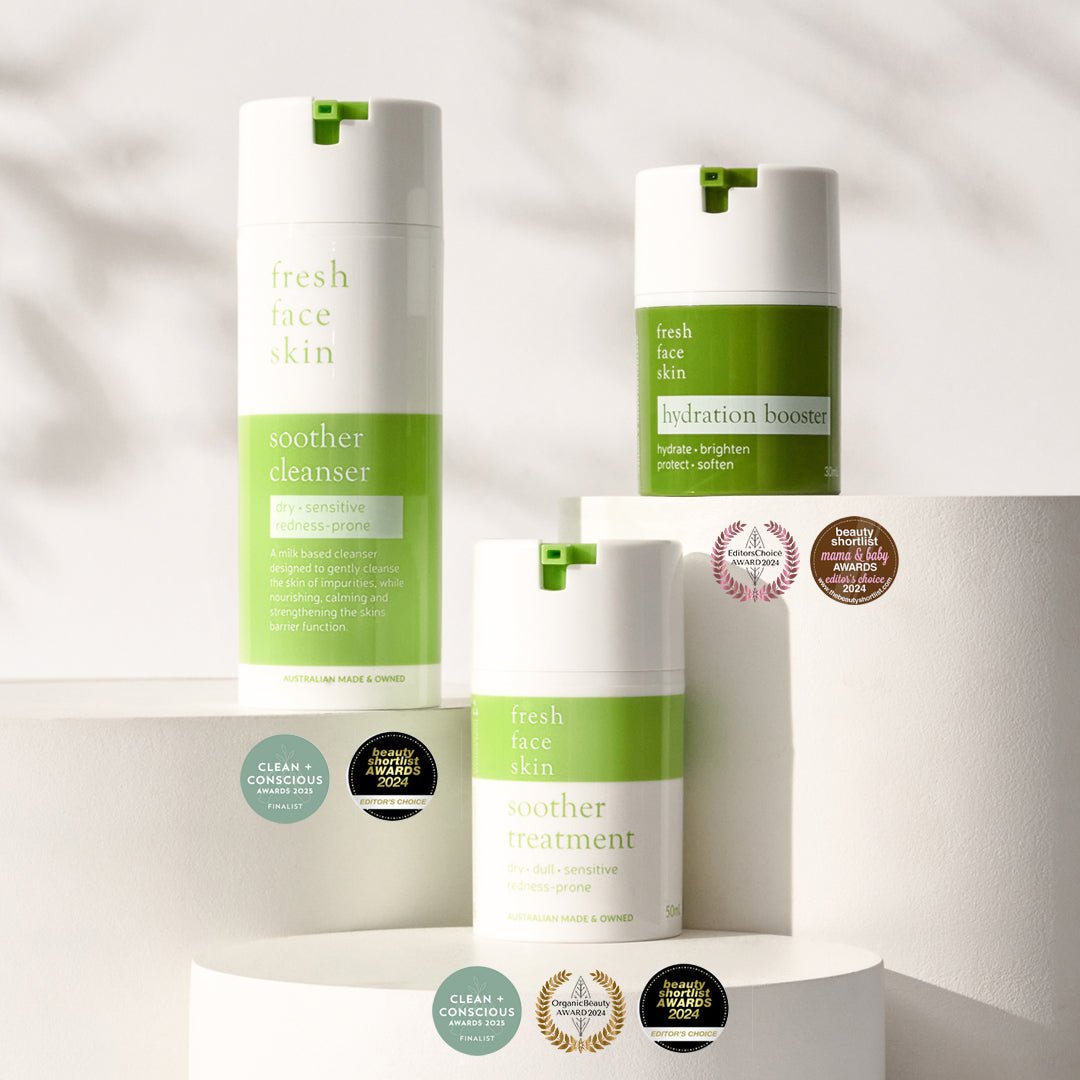
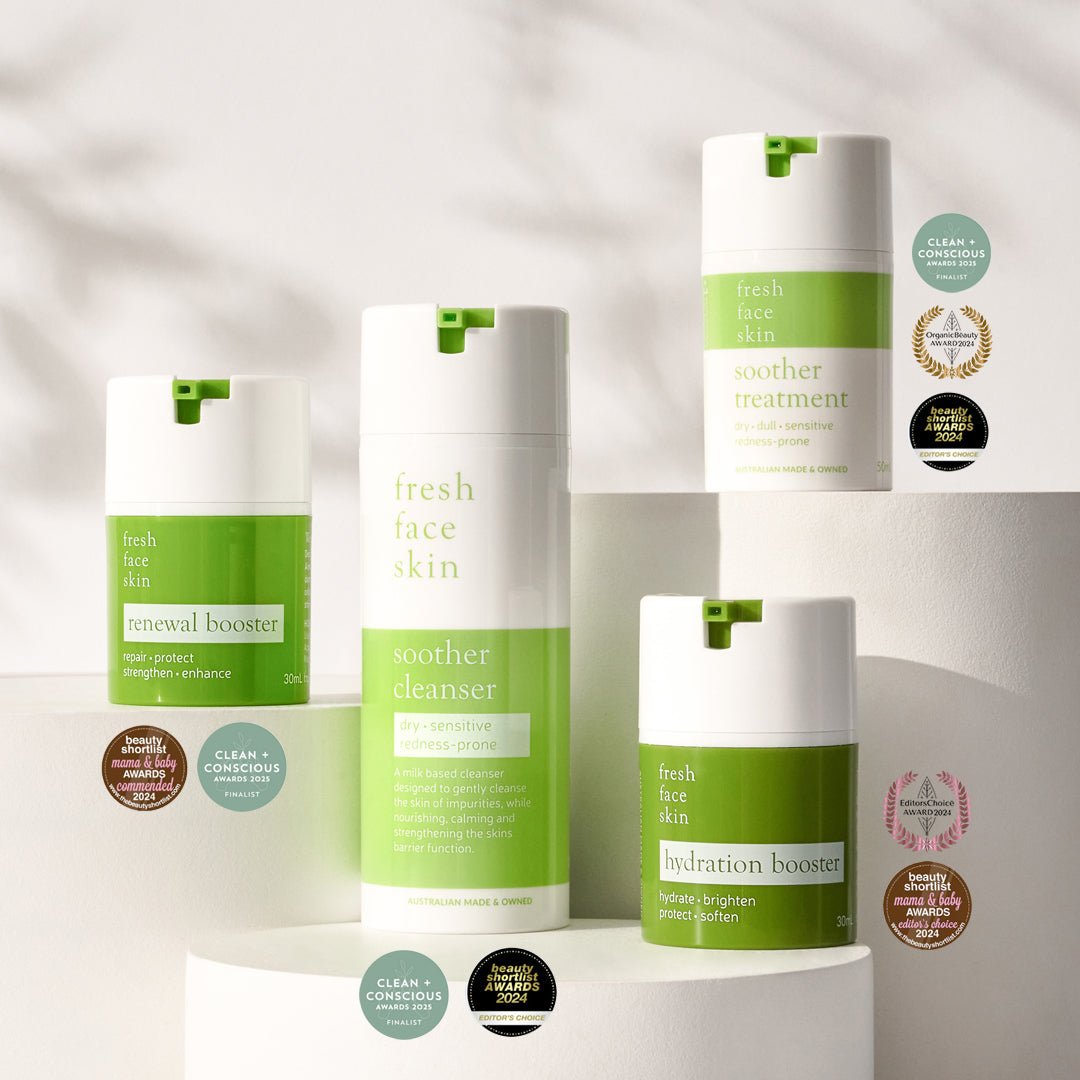
Our Soother Pre-Cleanse Oil can gently remove makeup, sunscreen and surface build-up, while our Soother Cleanser is a barrier-focused cleanser designed for sensitive, dry and redness-prone skin.
2. Focus on hydration and skin barrier support
Our Barrier Mist can provide additional hydration and skin barrier support, particularly when the surrounding skin feels dry or dehydrated.
For additional calming and barrier support, our Recovery Mask can be incorporated when the surrounding skin needs additional soothing and hydration.
If your skin becomes particularly reactive during spring or allergy season, you may also find our Spring Skin Survival Guide for reactive and sensitive skin helpful.
3. Introduce a targeted eye product once the area has settled
Once irritation has settled, Bright Eyes can be incorporated as your targeted eye product.
Bright Eyes has been formulated to hydrate and nourish the delicate eye area while helping to soften the appearance of fine lines, brighten the skin and reduce the appearance of puffiness.
Apply morning and night as part of your Fresh Face Skin routine, before your oil-based treatment or Soother Treatment if used.
The important part is not introducing everything at once.
Allow irritated skin time to settle before gradually reintroducing products. Depending on the cause and your individual skin, this may take anywhere from one to four weeks or longer.

Can seasonal allergies cause dry or itchy skin around the eyes?
Yes. Seasonal allergies can contribute to itchy, red, watery or irritated eyes, and frequent rubbing can further irritate the delicate surrounding skin.
If your eye area becomes noticeably more irritated during allergy season, consider both your skincare routine and your exposure to environmental triggers such as pollen.
Avoid rubbing the eyes where possible and keep your skincare routine simple while the area is reactive.
Can skincare products cause dry skin around the eyes?
Yes. Skincare does not necessarily need to be applied directly onto your eyelids to affect the eye area.
Products can migrate across the skin, particularly overnight, and ingredients such as retinoids, exfoliating acids, strong active serums, fragrance or some sunscreens may cause irritation in sensitive individuals.
This is why identifying what has recently changed in your routine can be so helpful when dryness or irritation appears suddenly.
Support your skin from the inside too
Our skin is influenced by more than skincare alone.
Focus on regular hydration and a varied whole-food diet that includes sources of healthy fats such as avocado, extra virgin olive oil, nuts and seeds.
Omega-3-rich foods including salmon, sardines, chia seeds and walnuts may also help support overall skin health. If you are considering an omega-3 supplement, speak with your healthcare professional to determine whether it is appropriate for you.
Sleep, stress and seasonal allergies are worth considering too, particularly if you're rubbing your eyes more frequently or regularly waking with itchy or irritated eyes.
Skin is holistic, so consider what may have changed both internally and externally rather than focusing only on the area you're seeing in the mirror.
When should you seek professional advice for dry skin around the eyes?
Dry skin around the eyes isn't always simply dehydration.
Seek further advice if you are experiencing:
- Persistent or severe itching
- Significant swelling
- Cracking or weeping skin
- Pain or significant discomfort
- Recurring eyelid irritation
- Rapidly worsening redness or inflammation
- Symptoms that don't improve when potential irritants are removed
A GP or dermatologist can assess persistent symptoms, particularly if eczema, dermatitis, infection or an allergic reaction may be involved.
If you're unsure whether your current skincare routine could be contributing to dryness or irritation, Fresh Face Skin also offers online skin consultations with our qualified dermal clinicians.

Our consultations are designed to help you better understand what your skin is doing, what may be influencing it and how to create a simple routine suited to your individual skin needs.
Frequently asked questions about dry skin around the eyes
Why is the skin under my eyes dry and flaky?
Dry and flaky skin under the eyes can be related to dehydration, a weakened skin barrier, environmental conditions, seasonal allergies, dermatitis or irritation from skincare, makeup or sunscreen. If it persists or becomes painful, swollen or significantly inflamed, seek professional advice.
Should I exfoliate dry skin around my eyes?
Avoid exfoliating skin that is already irritated, inflamed, flaky or uncomfortable. Focus first on gentle cleansing, hydration and barrier support. Targeted eye products can be gradually introduced once the skin has settled.
Can retinol cause dryness around the eyes?
Retinoids and other strong active ingredients may contribute to dryness or irritation around the delicate eye area in some people. This can sometimes occur even if the product isn't applied directly to the eyelids.
How long does dry skin around the eyes take to settle?
This depends on what is causing the irritation and the individual skin. Mild barrier irritation may begin improving once the trigger is removed and the routine is simplified, while dermatitis, eczema or allergic reactions may require professional assessment and a longer recovery period.
What skincare is best when the eye area feels irritated?
Keep your routine simple. Avoid strong active ingredients and exfoliation, cleanse gently and focus on hydration and skin barrier support. Once the area has settled, products can be gradually reintroduced rather than restarting everything at once.
Listen to what your skin is telling you
If your eye area is telling you it's uncomfortable, don't try to push through with your usual routine.
Pull things back, consider what may have changed or what your skin has recently been exposed to, and focus on gentle cleansing, hydration and skin barrier support while it settles.
Sometimes healthier skin comes from doing less, not adding more.
Amelia Goff
Founder + Dermal Therapist
Fresh Face Skin

This article provides general skincare education only and is not intended to diagnose or treat a medical condition. Persistent, severe or worsening symptoms around the eyes should be assessed by an appropriate healthcare professional.