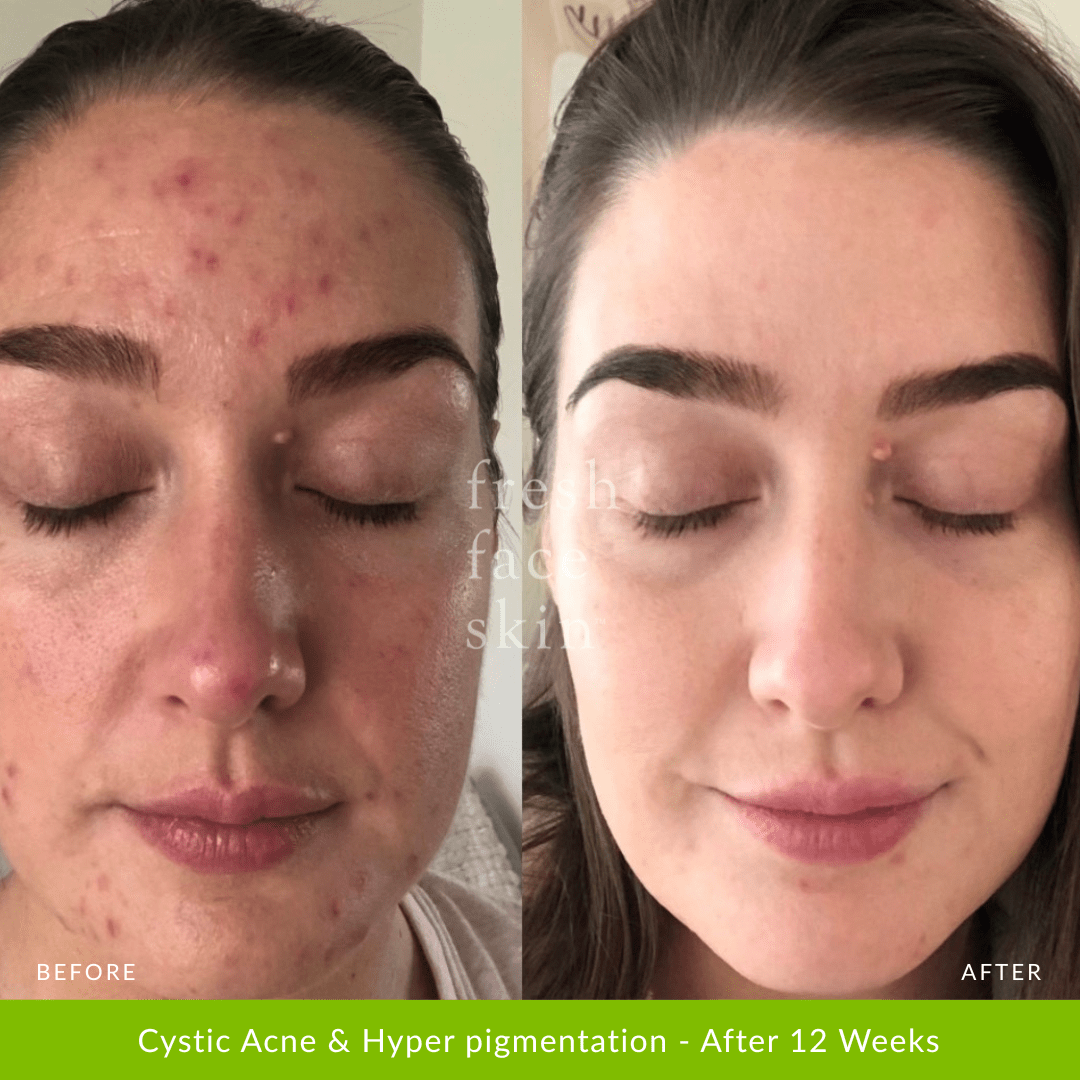
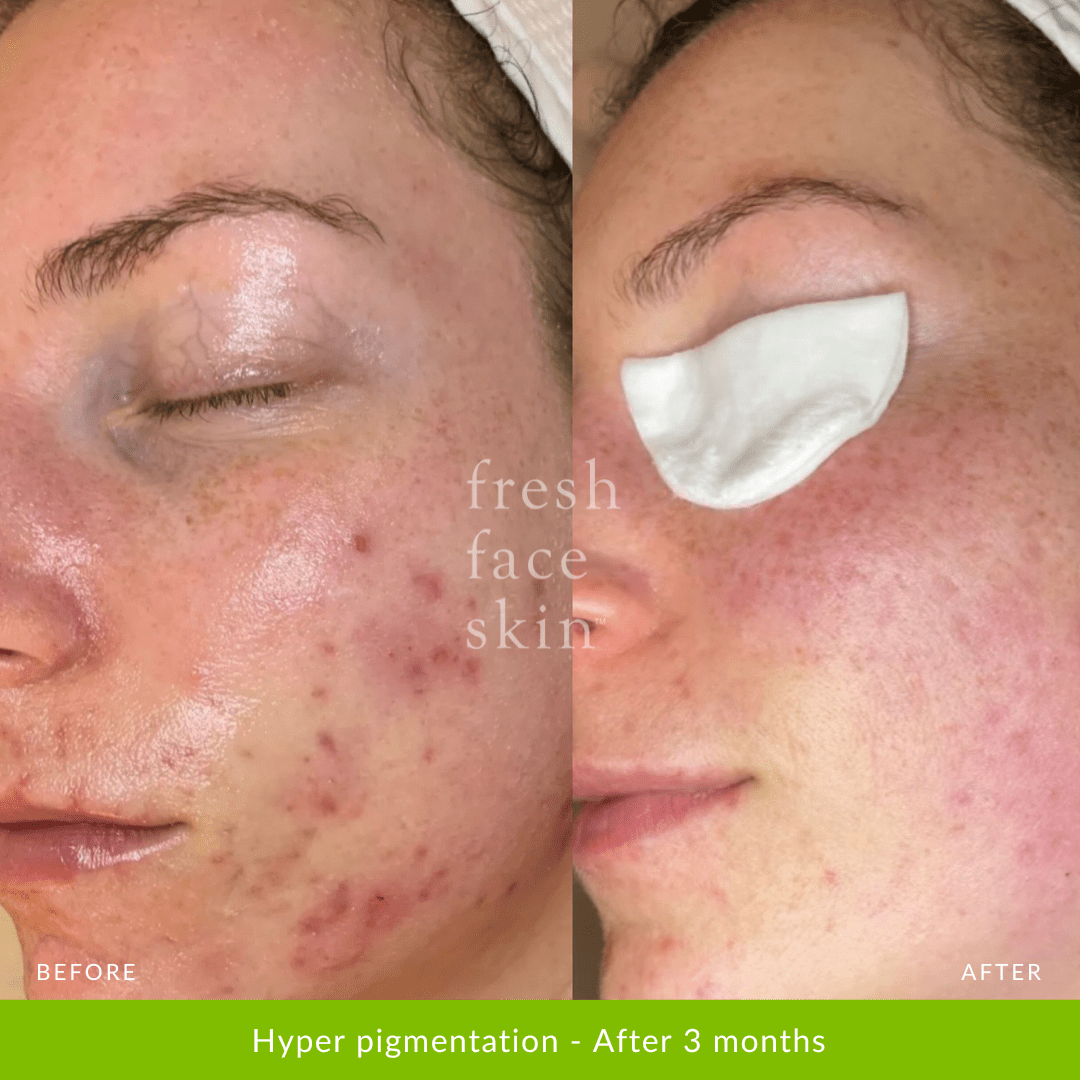
Spring is such a beautiful time of year, but if you experience seasonal allergies, sensitive skin or an easily disrupted skin barrier, you may notice your skin behaving a little differently as the season changes.
We’re already seeing it in the Fresh Face Skin salon and during our online skin consultations: increased redness, itching, warmth, sensitivity and reactive skin as we move further into spring allergy season.

Higher exposure to environmental allergens such as pollen can trigger an immune response in some people, causing the body to release histamine. This can contribute to symptoms including itching, redness, swelling and skin rashes.
If your skin suddenly feels different this spring, here are some simple ways to help calm reactive skin, support your skin barrier and reduce unnecessary irritation.
1. Strip Your Skincare Routine Back
If your skin is irritated, this is not the time to throw more products or active ingredients at it.

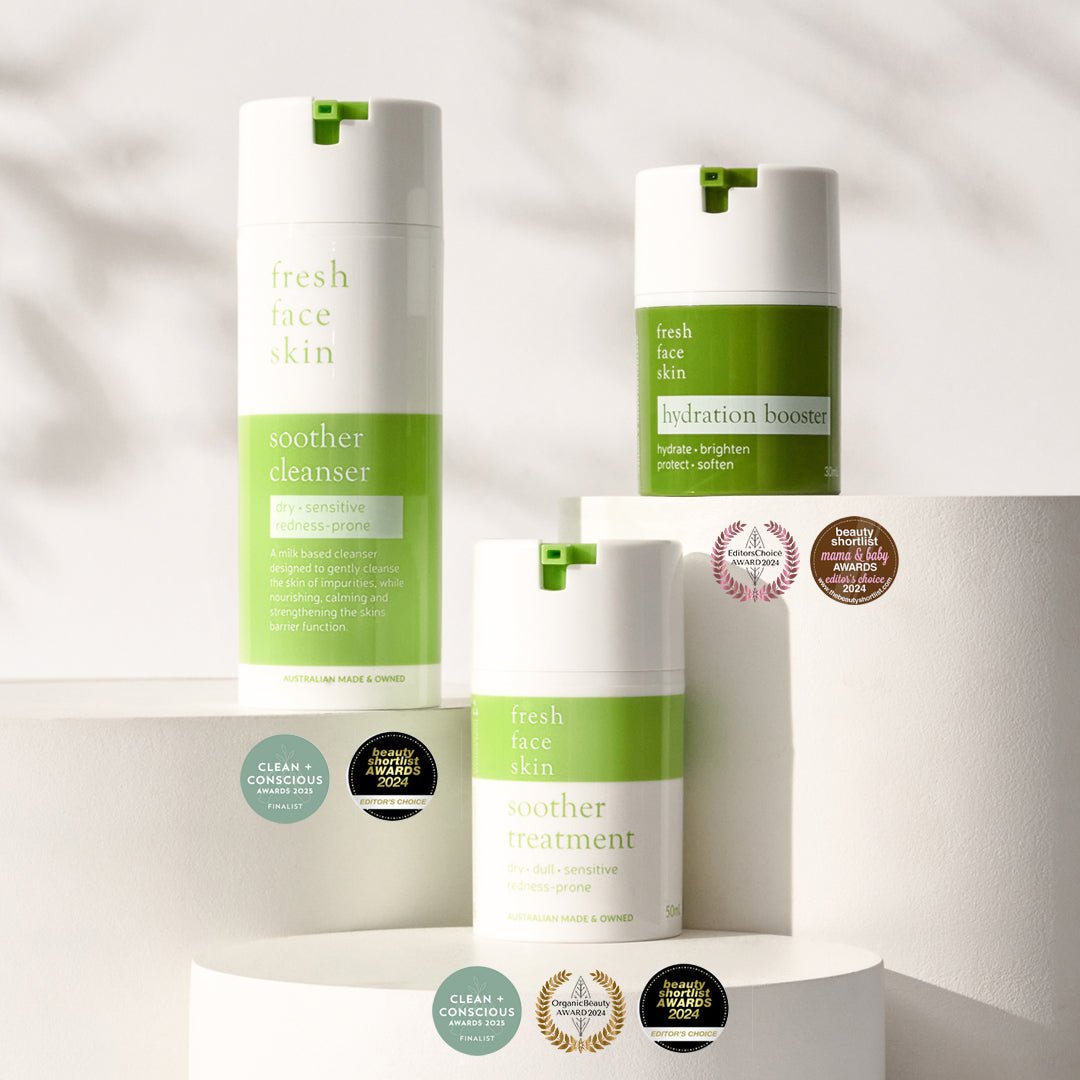
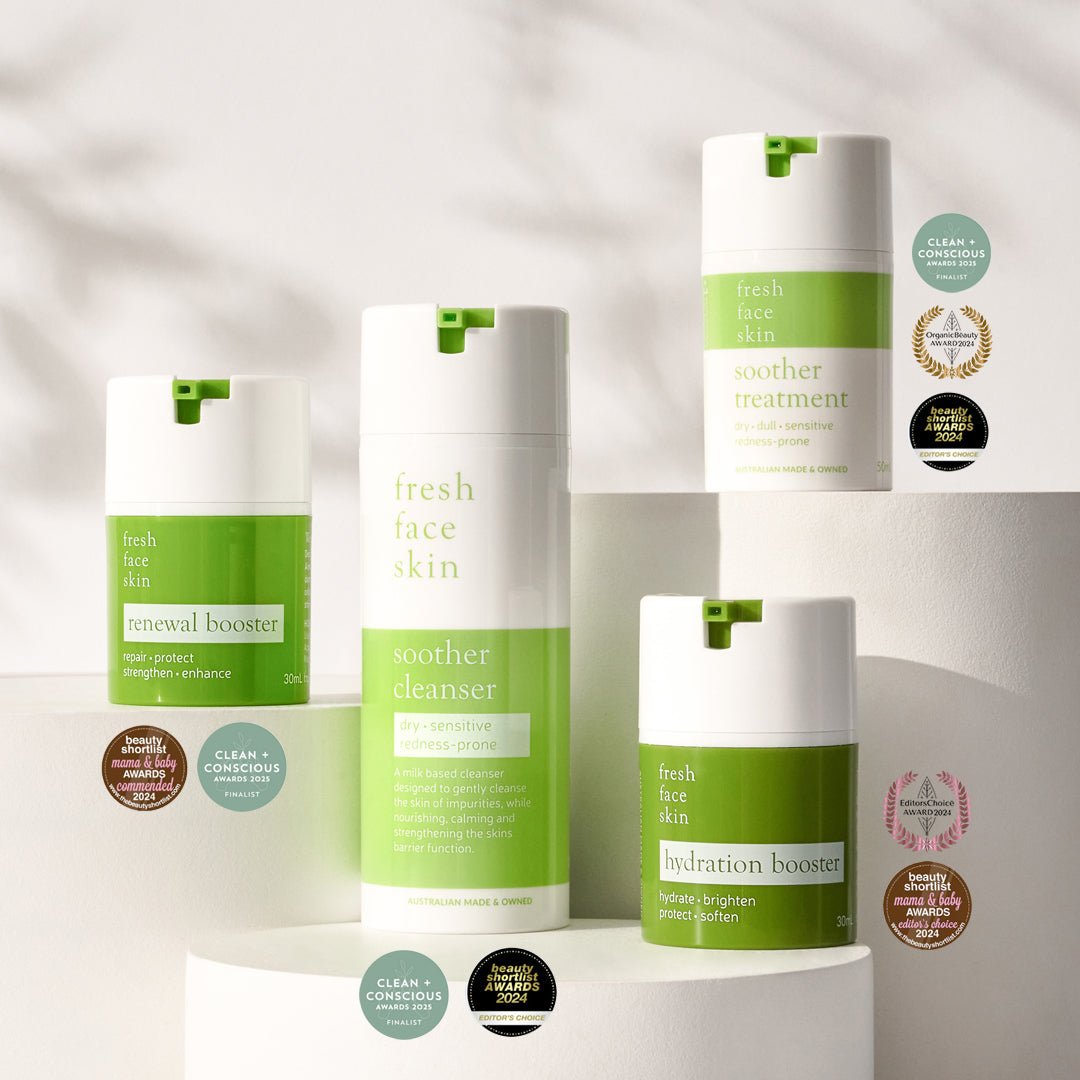
I recommend keeping things simple with our Soother Pre Cleanse Oil or Soother Cleanser for sensitive skin, followed by Barrier Mist and Recovery Mask when your skin needs additional calming and recovery support.
Once your skin feels settled again, you can gradually reintroduce your usual skincare products rather than adding everything back at once.
If you think your barrier may be compromised, you may also find our guide on how to repair and support a damaged skin barrier helpful.
2. Wash Pollen & Environmental Irritants Off Your Skin
If you’ve spent time outside, particularly when pollen levels are high, pollen and other environmental irritants can settle on your skin, hair and clothing.
When you get home, change your clothes and gently cleanse your face. If your body is feeling itchy or irritated too, a shower can help rinse away anything that may be sitting on the skin.
It’s a small habit, but during spring it can help reduce ongoing exposure when your skin is already feeling reactive.
3. Change Your Pillowcase More Regularly
During allergy season, I recommend changing your pillowcase more frequently and even nightly during periods when your allergies or skin are particularly irritated.
Pollen and environmental particles can transfer from your hair and skin onto your pillow, meaning your face may be exposed to them again while you sleep.

4. Calm Hot, Itchy or Reactive Skin With a Cool Compress
If your skin feels hot, itchy or uncomfortable, a clean, cool compress can feel incredibly soothing.
Gently hold it against the affected area rather than rubbing or scratching the skin.
Follow with Barrier Mist and Recovery Mask to help hydrate, calm and support the skin barrier and microbiome.
For particularly sensitive or inflammation-prone skin, you can also explore our Skin Barrier Repair Pack, designed as a simple barrier-supportive routine.
5. Be Mindful of Internal Support During Allergy Season
Skin health isn’t only about what we apply topically. I’m a big believer in looking at what may be supporting the skin internally too, including a varied, nutrient-rich diet, hydration and overall wellbeing.
One addition I personally enjoy is bee pollen, sprinkled over breakfast or added to a smoothie or daily drink.
However, bee pollen is something to make an informed decision about. It can cause an allergic reaction in some people, particularly those with pollen allergies or who are already experiencing allergy or histamine-related symptoms.
Do your own research, listen to your body and consider speaking with your healthcare professional before introducing it, especially if you have known allergies. What works beautifully for one person won't necessarily be right for another.
6. Listen to What Your Skin Is Telling You
This is probably the most important one.
Your skin doesn’t need exactly the same thing every day of the year. Seasons change. Hormones change. Stress changes. Our environment changes.
If your skin suddenly starts feeling tight, hot, itchy, red or unusually reactive, pay attention.
Sometimes the best thing you can do for sensitive or inflamed skin is less.
Pull your routine back, keep cleansing gentle and focus on products designed to soothe, hydrate and support your protective skin barrier.
When in doubt, return to skin barrier support and give your skin time to settle.
You can also read more about supporting inflammatory, sensitive and easily irritated skin.

Need Help With Reactive or Sensitive Skin?
If you’re unsure what your skin needs, our qualified dermal clinician team can take a closer look at your current routine, skin concerns and the factors that may be contributing to your flare.
Our complimentary online skin consultations are designed to give you personalised education and skincare guidance without needing to visit our Melbourne salon.
If your reaction is severe, persistent, unusual or particularly uncomfortable, we recommend speaking with your GP or healthcare professional.