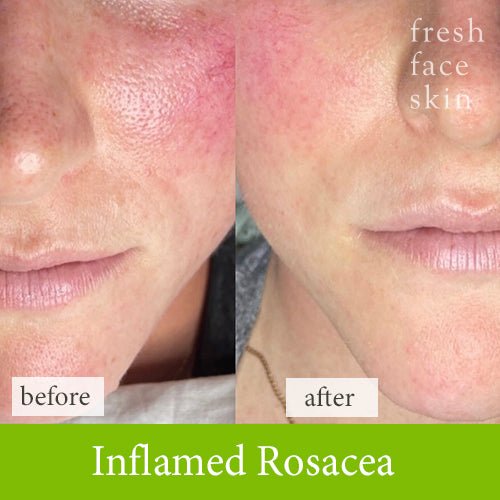
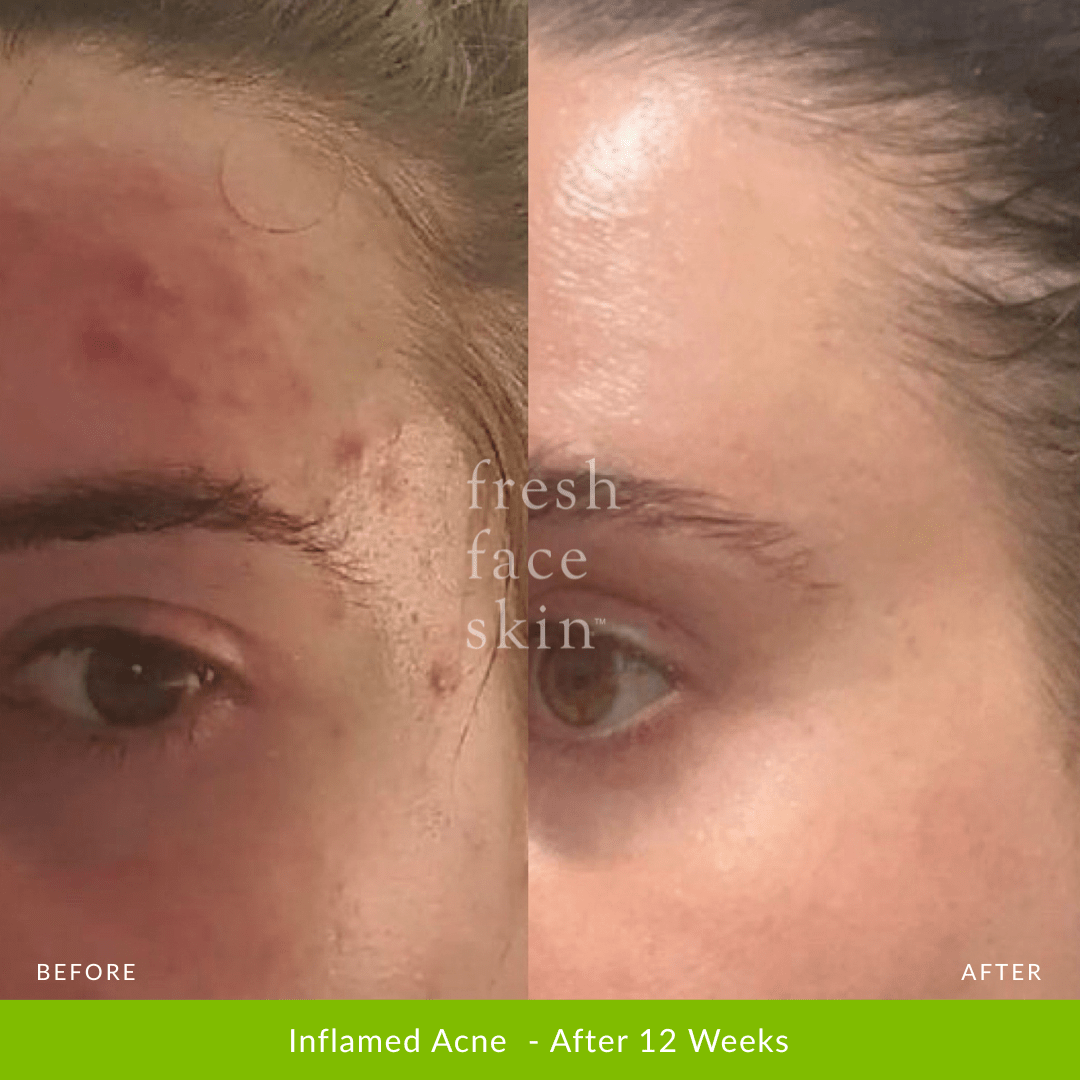
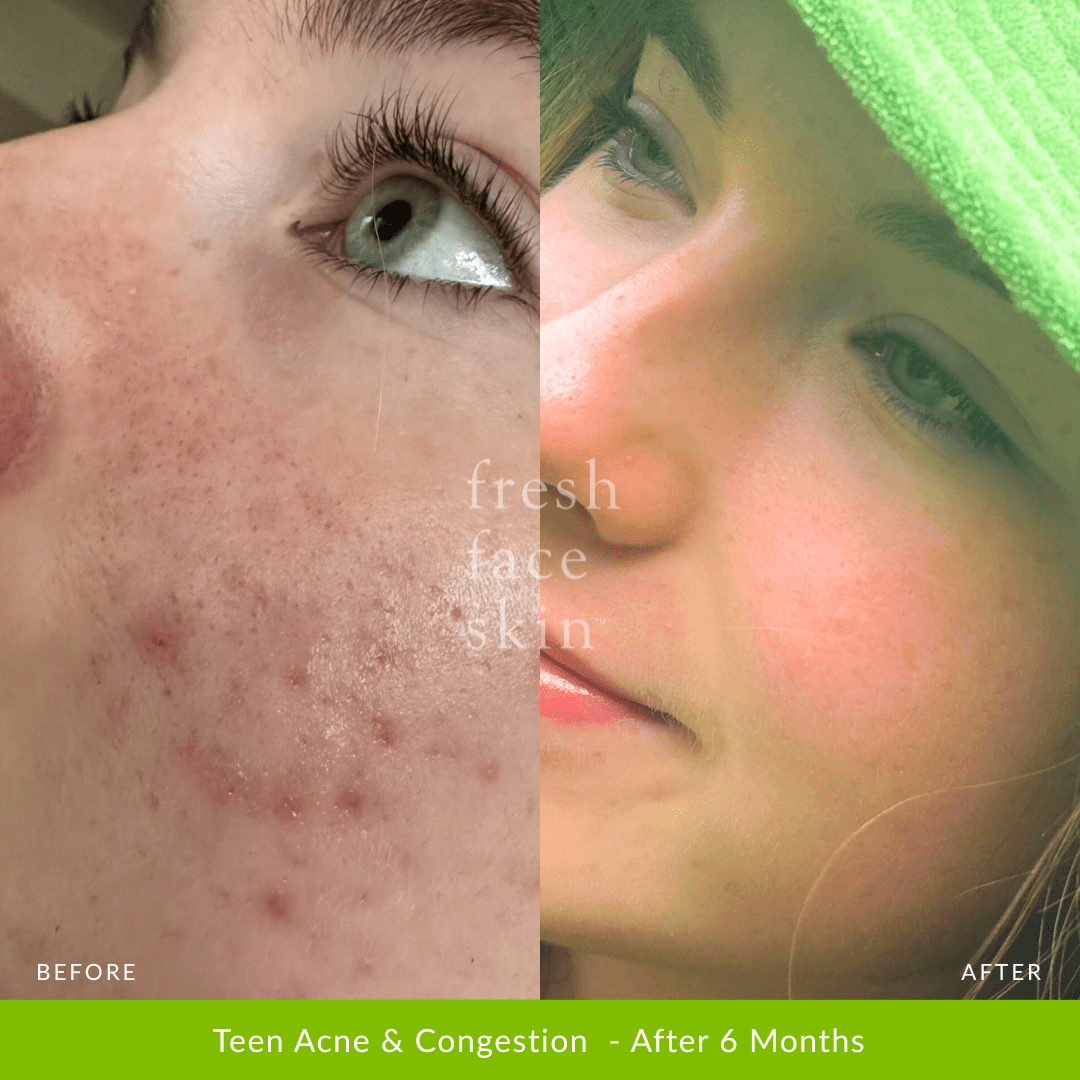
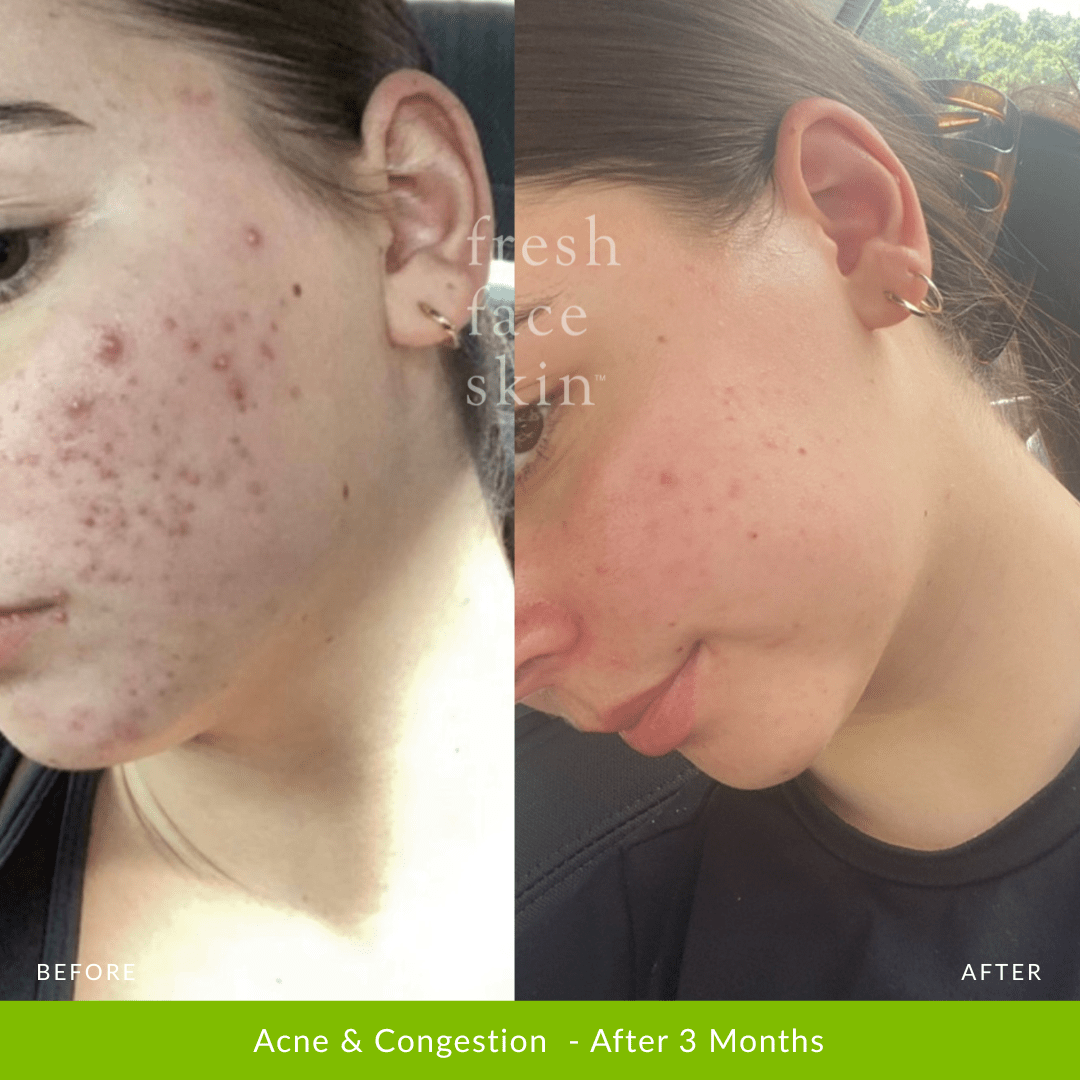
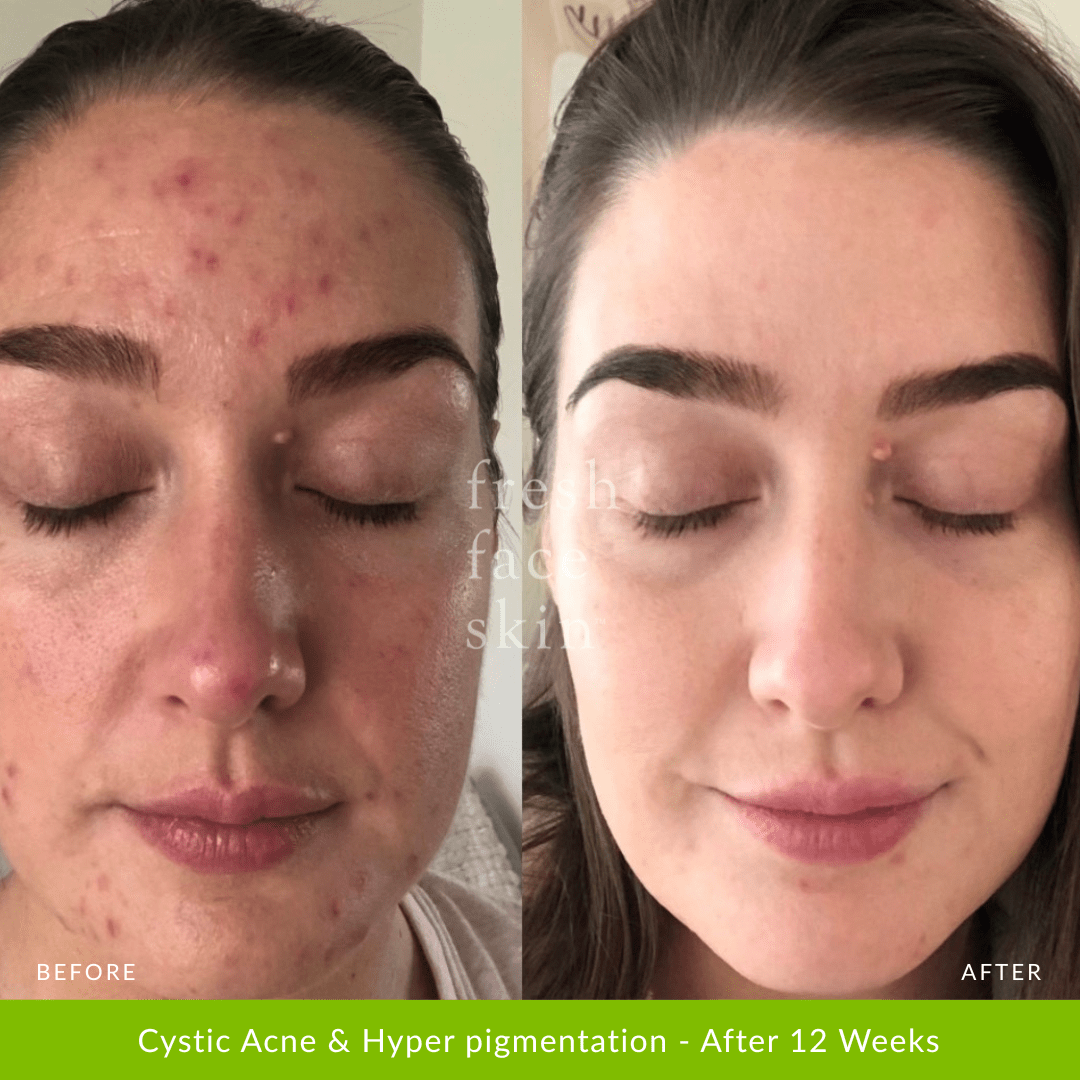
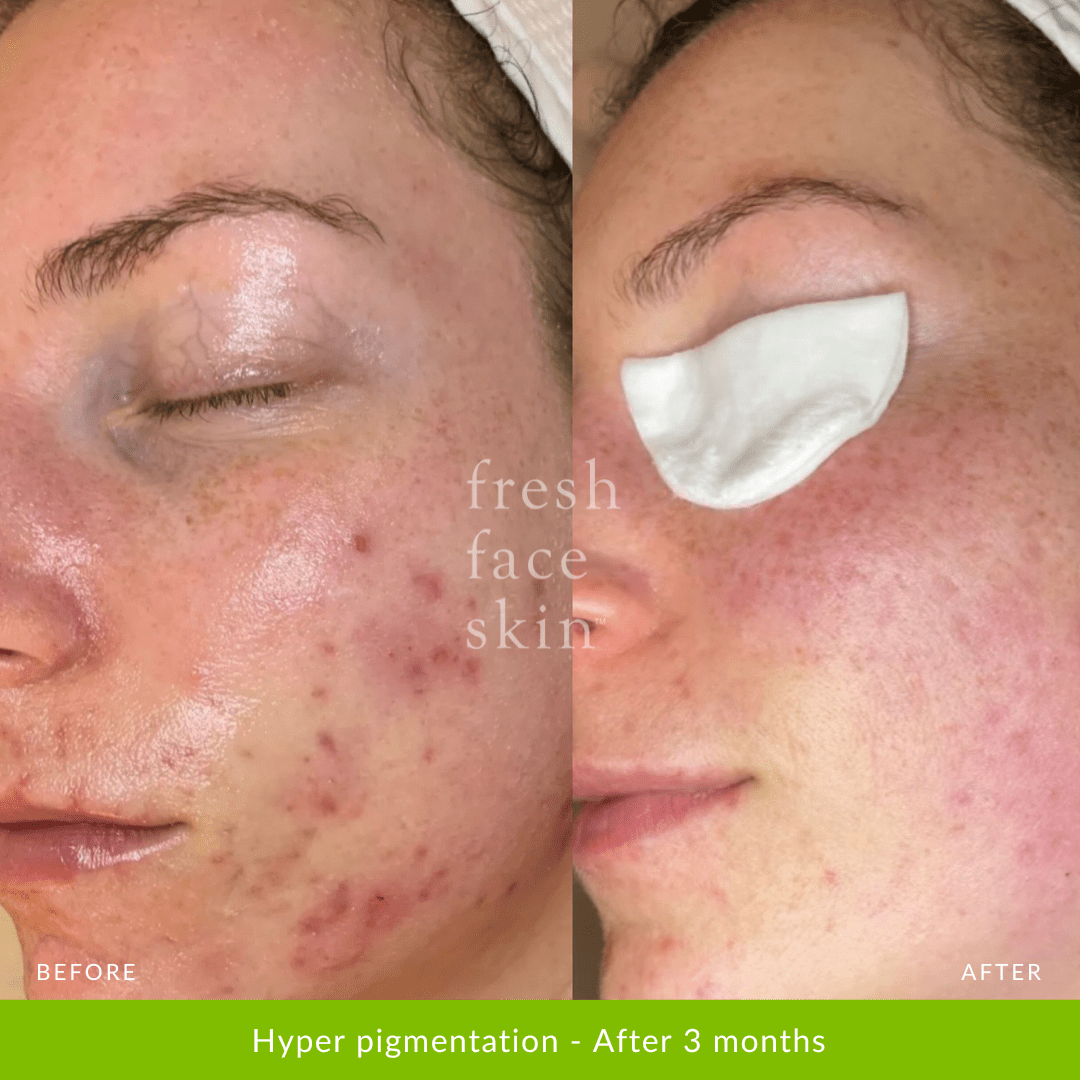
If your skin suddenly feels tight, red, rough, stingy or reactive, it may not just be “winter skin.” It could be a sign your skin barrier is experiencing burnout.
Barrier burnout occurs when the skin’s protective layer becomes overwhelmed and can no longer function as effectively as it should.
When this happens, the skin struggles to retain moisture, defend itself against external irritants, and maintain a calm, balanced appearance.

The good news? With the right support, your skin can begin to feel comfortable, resilient and healthy again.
If your skin feels increasingly sensitive, dehydrated or reactive, you may be dealing with a damaged skin barrier rather than simply dry skin.
A damaged skin barrier can make it harder for the skin to retain moisture, regulate inflammation and protect itself from environmental stressors.

Just like our bodies can feel burnt out after doing too much for too long without the opportunity to rest and recover, our skin barrier can experience a similar response.
When the skin is constantly being challenged by active ingredients, harsh weather, over-exfoliation, stress or an overloaded skincare routine, it can become overwhelmed.
Over time, the barrier may struggle to hold hydration, stay calm and protect itself effectively.
This is what we often refer to as barrier burnout.
What Is Barrier Burnout?
Your skin barrier is the outermost layer of the skin. Think of it as your skin’s protective shield.
Its job is to keep hydration in and irritants out.
Barrier burnout occurs when this protective layer is placed under too much stress for too long. This stress can come from environmental factors, such as indoor heating, air conditioning, outdoor sun and wind, as well as skincare products, lifestyle factors or a combination of all three.
When the barrier becomes compromised, the skin often struggles to function normally, resulting in increased sensitivity, dehydration and irritation.
Not sure whether your skin barrier is impaired? Read our guide on How Do You Know If Your Skin Barrier Is Impaired? to learn the early signs and what to do next.
What Does Barrier Burnout Look Like on the Skin?
Barrier burnout can present differently from person to person, but some common signs include:
- Redness and irritation
- Tightness after cleansing
- Stinging when applying skincare products or even just touching the skin
- Rough or uneven texture
- Increased sensitivity
- Dry, flaky patches
- Inflamed breakouts
- Skin that suddenly reacts to products it previously tolerated
Many people mistake these symptoms for simply having dry skin, when in reality the skin barrier may need additional support.
These can all be signs of a damaged skin barrier, especially when they appear suddenly or your skin starts reacting to products it used to tolerate well.
Why Does My Skincare Suddenly Sting?
One of the most common signs of barrier burnout is that products suddenly start to sting or feel uncomfortable.
When the skin barrier is healthy, it helps regulate what enters the skin. When it becomes weakened, ingredients can penetrate more easily and trigger irritation.
This is why products you have used for months or even years without issue may suddenly begin to feel uncomfortable.
What Causes Barrier Burnout in Winter?
Winter can be particularly challenging for the skin barrier.
Cold outdoor temperatures, indoor heating, reduced humidity and hotter showers can all contribute to increased moisture loss from the skin.
At the same time, many people continue using active ingredients at the same frequency they used during warmer months, placing additional stress on an already vulnerable barrier.

This combination can leave the skin feeling dehydrated, dry, sensitive, reactive and uncomfortable.
As temperatures drop, many people experience increased dryness, dehydration and sensitivity. Winter conditions can significantly increase stress on an already compromised skin barrier.
For additional winter skin tips, read Pre-Winter Skin Prep: Why Your Skin Needs a Barrier Reset Before the Cold Hits.
Can Over-Exfoliating Damage Your Skin Barrier?
Yes.
One of the most common causes of barrier burnout we see in clinic is over-exfoliation.
Using exfoliating acids, scrubs, retinol products, acne treatments or active ingredients too frequently can gradually weaken the skin’s protective layer.
The same can happen when clients switch products too often or layer multiple active ingredients together without professional guidance.
More products do not always lead to better results. Often, the opposite is true.
One of the biggest misconceptions in skincare is that stronger products create better results. In reality, excessive active ingredients can often contribute to irritation, redness and barrier disruption.
If you enjoy ingredient education, you may also like The Hidden Dangers of Single Actives.

Should I Stop Using Active Ingredients If My Skin Barrier Is Damaged?
Yes. If your skin is showing signs of barrier burnout, reducing or temporarily pausing active ingredients can often be beneficial.
The focus should shift from skin correction to skin recovery.
This means simplifying your routine and prioritising hydration, barrier support and calming ingredients until the skin feels more balanced.
Gentle cleansers, nourishing oils, prebiotic support, hydrating serums and barrier-strengthening ingredients can all play an important role during this phase.
What Skincare Routine Is Best for Barrier Burnout?
When your barrier is struggling, simplicity is often best.
Focus on:
- A gentle, non-stripping cleanser
- Hydration support
- Barrier-strengthening ingredients
- Daily SPF protection
- Reducing unnecessary active ingredients
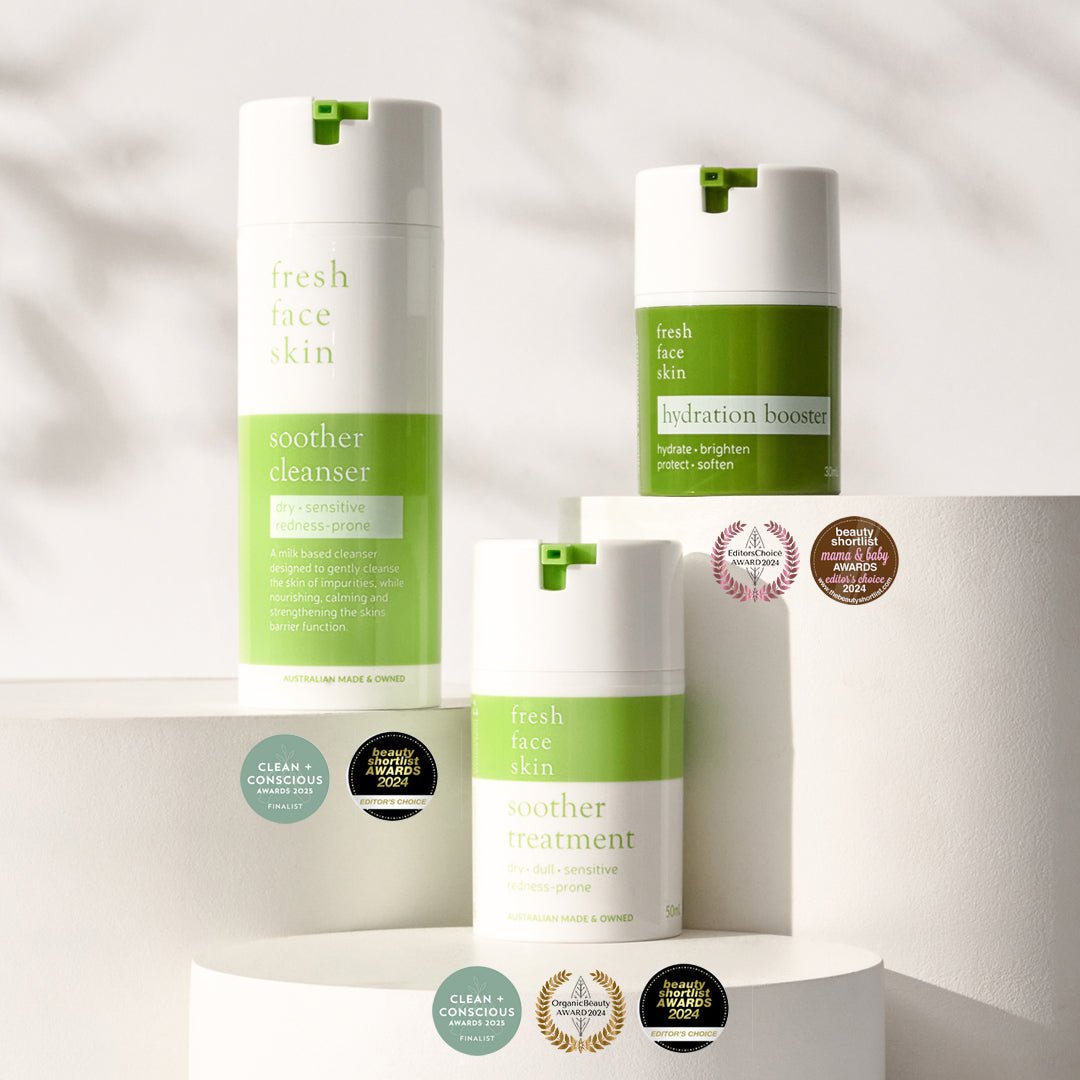
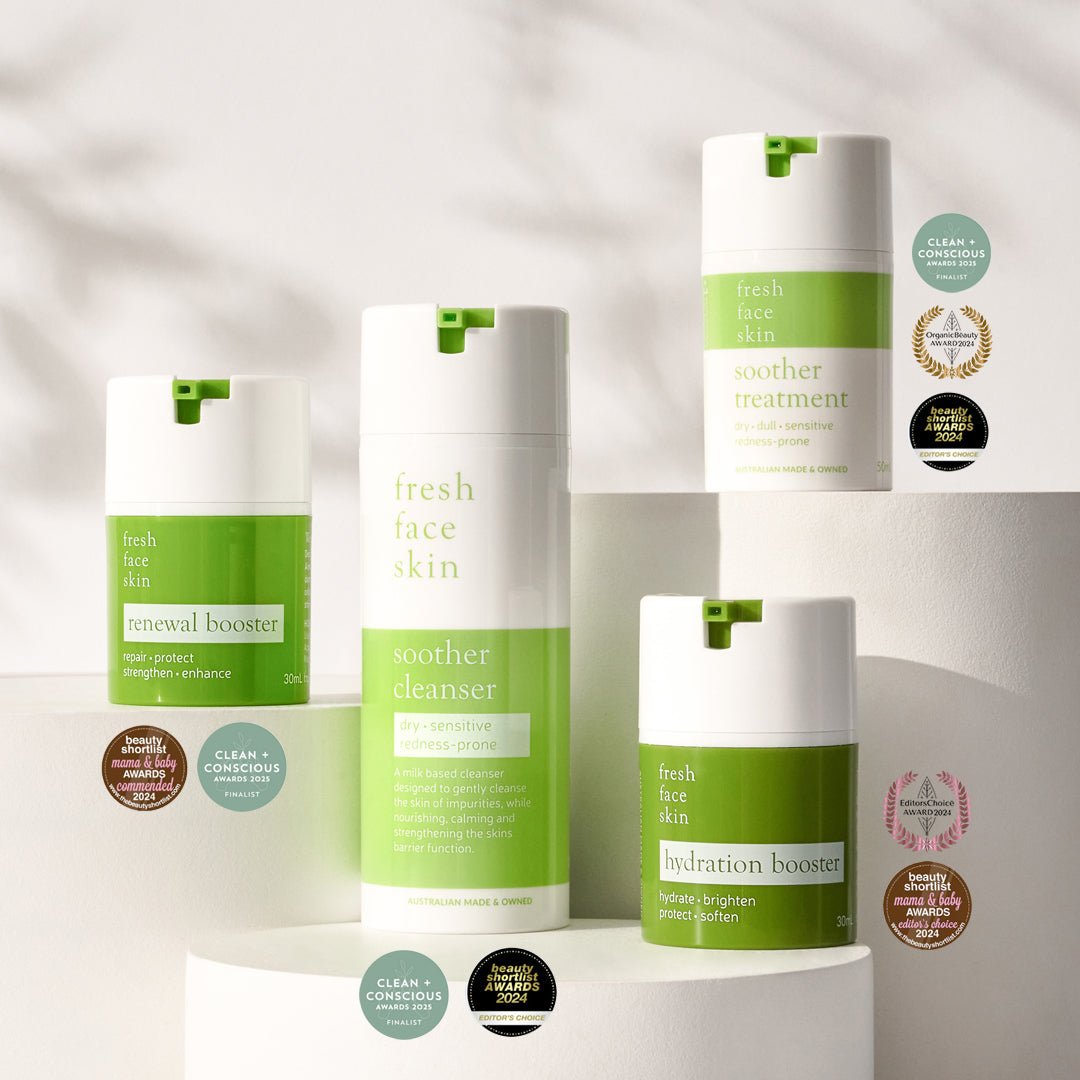
At Fresh Face Skin, we often recommend a barrier-focused approach using products such as our Soother Cleanser, Soother Treatment, Barrier Mist and Recovery Mask to help support hydration, comfort and skin resilience.
What Are Key Ingredients That Help Nurture and Strengthen the Skin Barrier?
When supporting barrier burnout, the focus should be on ingredients that help hydrate, calm, nourish and strengthen the skin.
Key ingredients to look for include hyaluronic acid for hydration, ceramides to support the skin’s protective layer, prebiotics and probiotics to help nurture the skin microbiome, and calming botanicals such as chamomile and calendula to help soothe visible redness and sensitivity.

Hydration and barrier health work hand in hand. If you’d like to learn more about the role hydration plays in supporting healthy skin function, read our article Hyaluronic Acid: The Ultimate Hydration Hero.
Our Skin Barrier Repair Pack is a great place to start if your skin feels dry, reactive, inflamed or compromised.
Featuring our award-winning barrier-focused products, this simple routine has been designed to support the skin in calming sensitivity, while helping to bring the skin back to a more balanced, comfortable state.
Can a Damaged Skin Barrier Cause Breakouts?
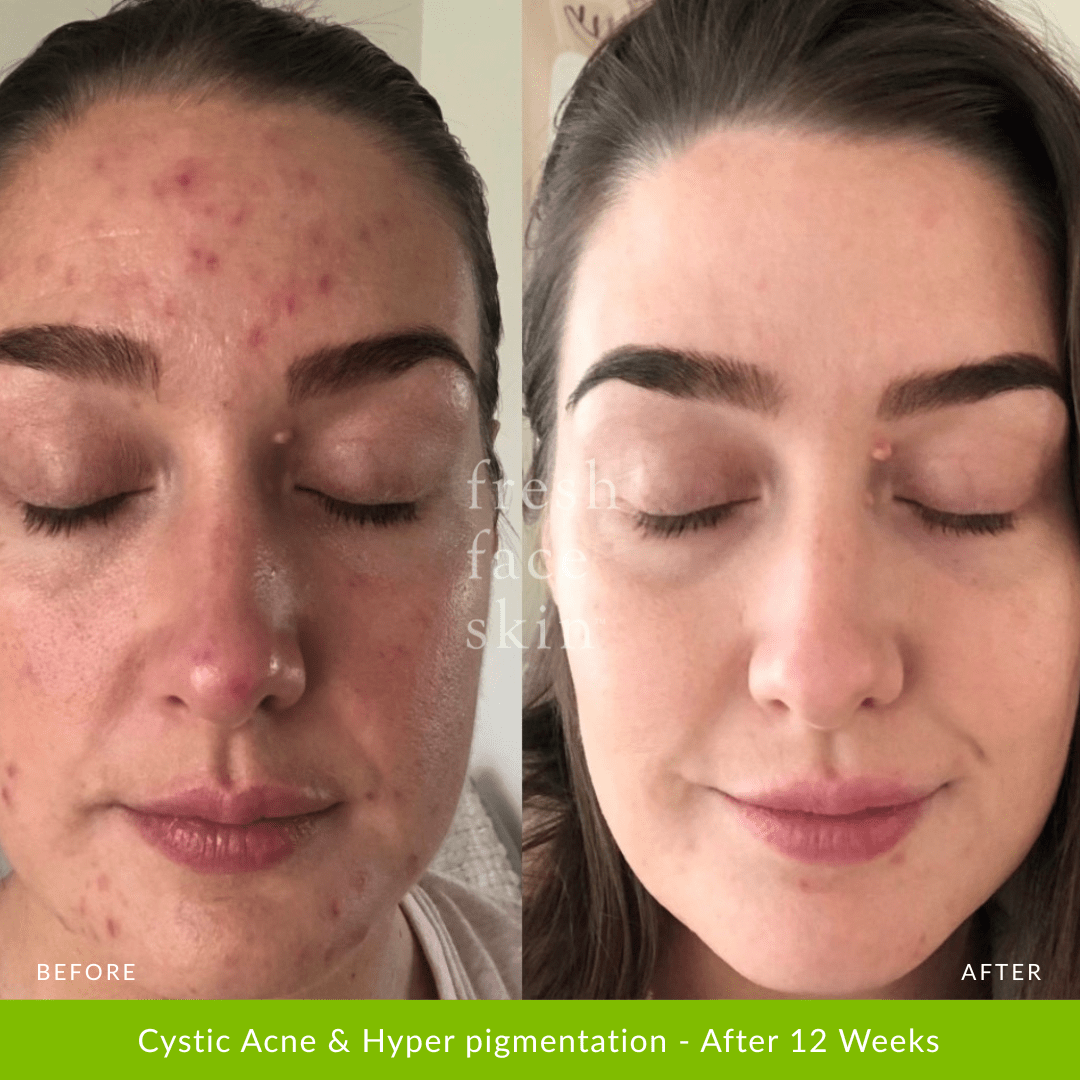
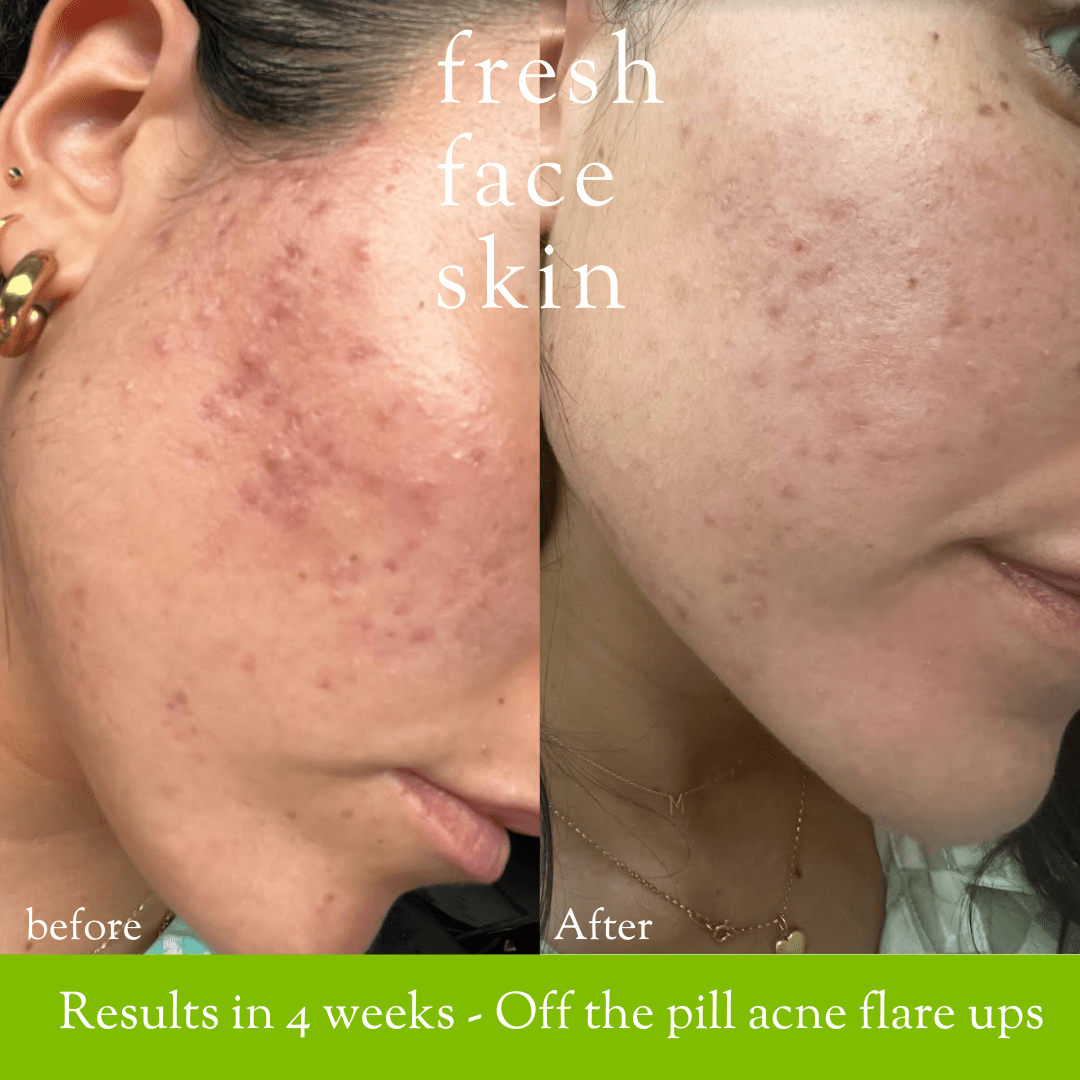
Yes. A damaged skin barrier can contribute to inflammation, irritation and increased skin sensitivity, which may make breakouts appear worse or take longer to recover.
When the barrier is functioning well, the skin is generally better equipped to maintain balance, hydration and resilience.
How Can I Tell If My Skin Barrier Is Healing?
As your skin barrier begins to recover, you may notice less redness, reduced sensitivity, improved hydration and fewer reactions to products that previously caused discomfort.
Skin often feels calmer, more comfortable and better able to tolerate environmental stressors.
How Long Does It Take to Repair the Skin Barrier?
Every skin is different, but barrier recovery takes time, patience and consistency.
For some people, improvements can be noticed within a few weeks. For others, particularly those with ongoing sensitivity or long-term barrier impairment, recovery may take longer.
The key is to stop chasing quick fixes and focus on giving the skin what it needs to function properly again.
If your skin feels tight, red, sensitive, reactive or uncomfortable, it doesn’t need stronger, more active products. It’s simply asking for less stress and more support.
If you’re unsure where to start, our qualified Dermal Clinician Team can help assess your skin and guide you towards a simple, supportive routine designed to help calm and strengthen your skin barrier over time.
Book a Free Video Skin Consult Here