Plus tips to repair, restore, and protect it, long term.
Ever feel like your skin is constantly irritated, red, dry, or breaking out—no matter what you put on it? You might be dealing with something deeper than a surface issue: an impaired skin barrier.
At Fresh Face Skin, we know your barrier is the foundation of healthy skin. Think of it as your skin’s personal shield—keeping the good stuff (hydration and nutrients) in, and the bad stuff (pollution, bacteria, and irritants) out. But when this shield becomes weak or compromised, it can throw your entire skin off balance.
Let’s break down the common signs of an impaired skin barrier—and how to bring it back to balance.
Common Signs Your Skin Barrier Is Impaired
-
Increased sensitivity
Stinging, burning, or tingling—especially after applying skincare—are classic signs your barrier is compromised.
-
Redness and inflammation
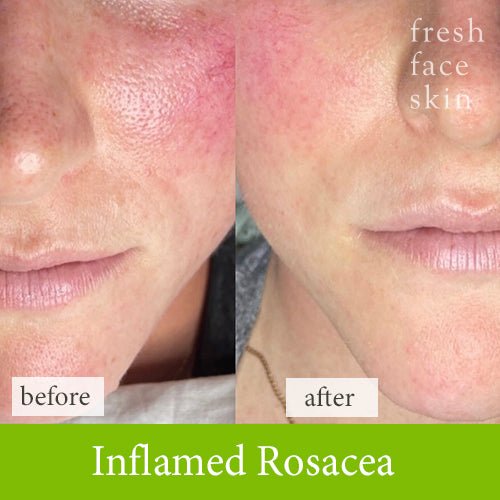
Flushed cheeks, visible capillaries, or irritation that won’t settle down? That’s a call for barrier support.
-
Dryness or dehydration
Tightness, flakiness, or rough texture could mean your barrier isn’t holding moisture effectively.
-
Breakouts or congestion
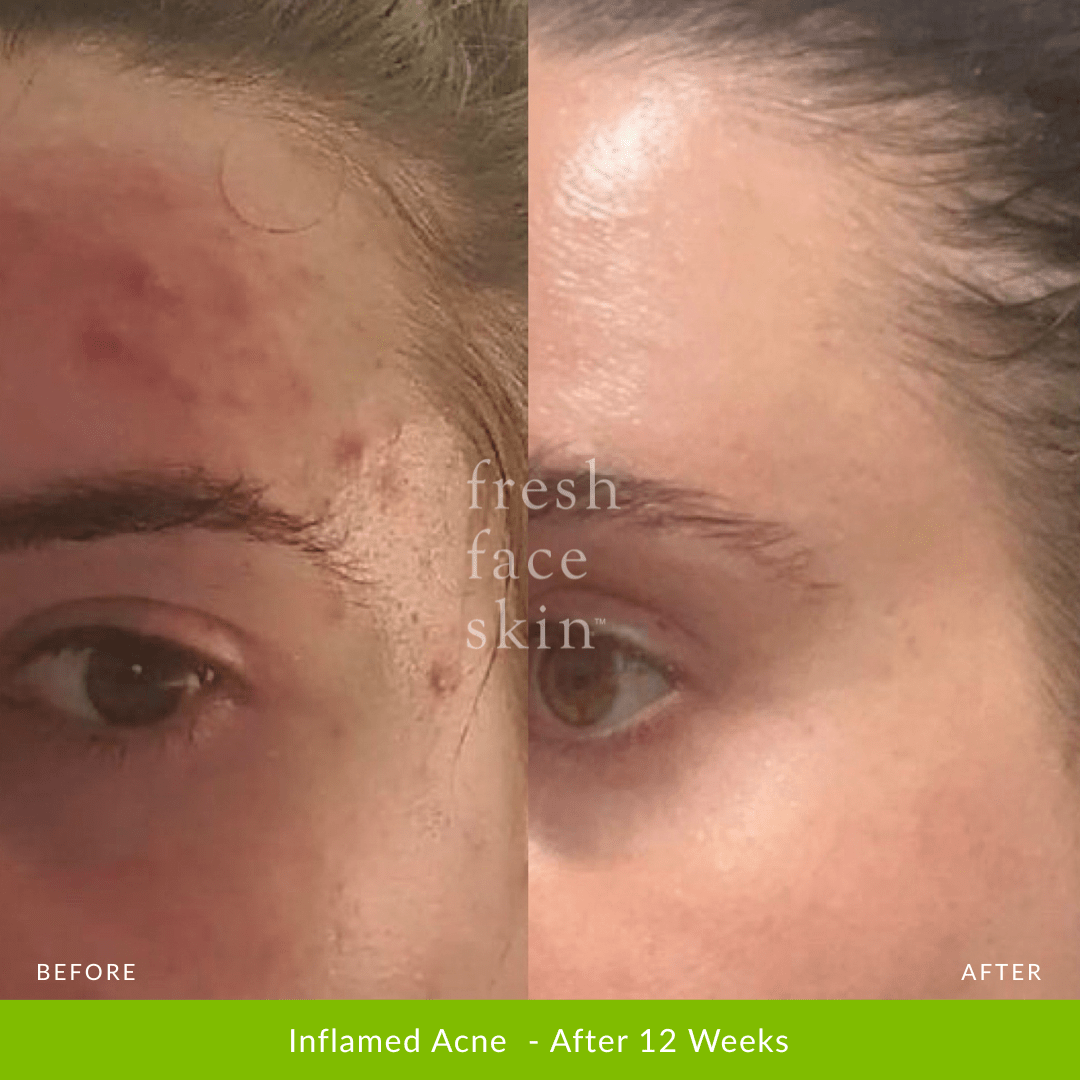
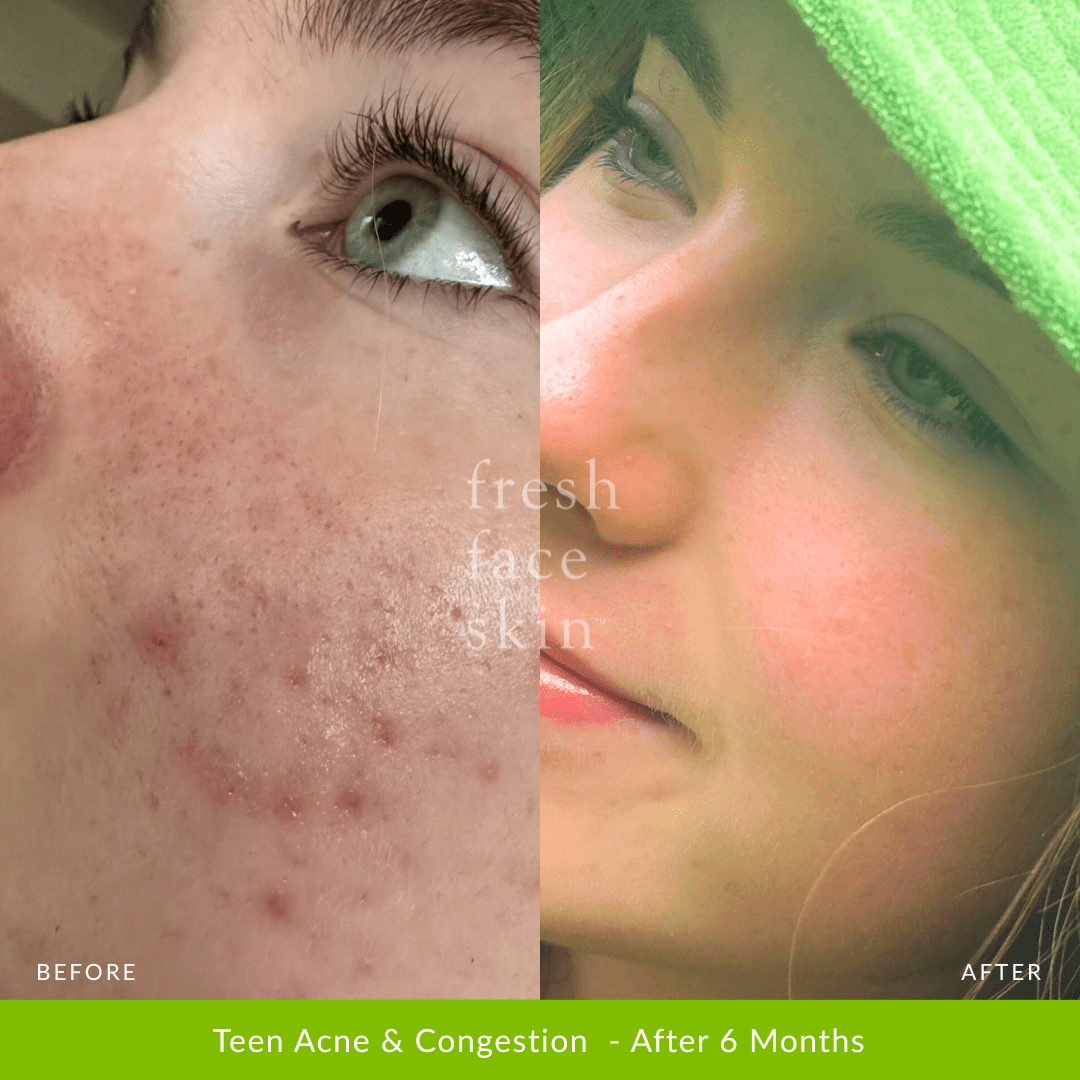
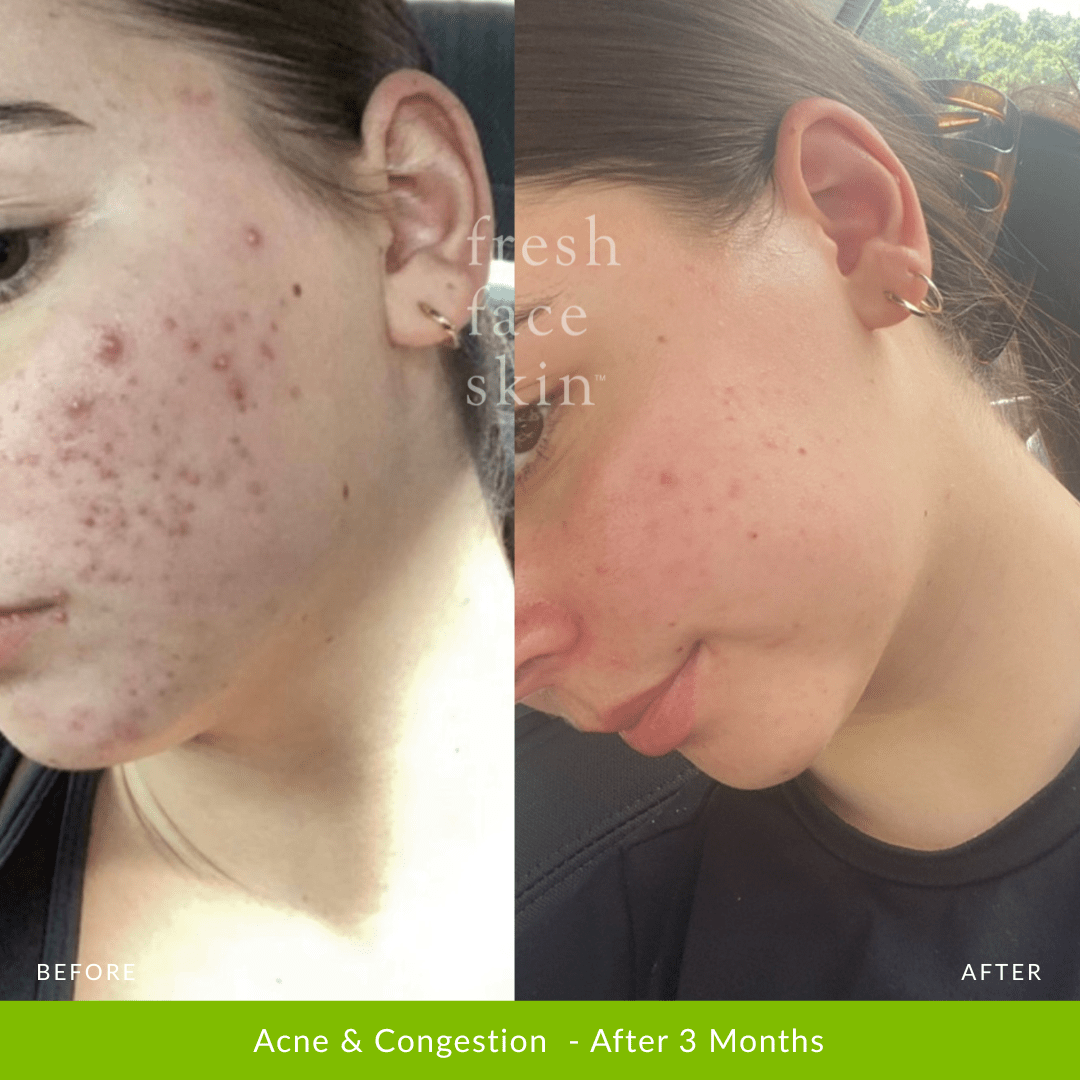
A weak barrier allows bacteria and irritants in, triggering inflammation, breakouts, or lumps and bumps.
-
Dull, uneven tone
When your barrier is damaged, cell turnover slows, and your skin can appear tired or patchy.

How to Strengthen & Repair Your Skin Barrier
-
Simplify your routine
Pull back on actives and exfoliants. Use calming, nourishing products with ingredients like aloe vera, vitamin B5, vitamin B3, natural oils, chamomile, calendula, or licorice root.
-
Cycle your actives
Too many actives (AHA, BHA, Vitamin C, retinol) can overwhelm your skin. Alternate use and pair with barrier-supporting moisturisers or oils.
-
Choose the right cleanser
If your skin feels squeaky or tight after cleansing, your product is too harsh. Use a gentle, low-foam or oil-milk based cleanser instead.
-
Avoid fragrance and stripping ingredients
Synthetic fragrances, alcohol, and SLS/SLES can weaken the barrier. Choose fragrance-free or naturally scented products.
-
Hydrate inside and out
Drink at least 2L of water daily (add lemon for better absorption), take omega-3 supplements, and use ceramide-rich oils to lock in hydration.
-
Use SPF daily
Sun damage weakens your barrier. UVA rays are always present—use SPF daily. A zinc-rich physical sunscreen gives added support.
-
Watch the water temperature
Hot water strips your barrier. Stick to lukewarm water when cleansing or showering.
Final Tip: Listen to Your Skin
Heat, tingling, tightness, dryness or redness? These are signs your skin is asking for less—not more. Simplify and let your barrier heal.
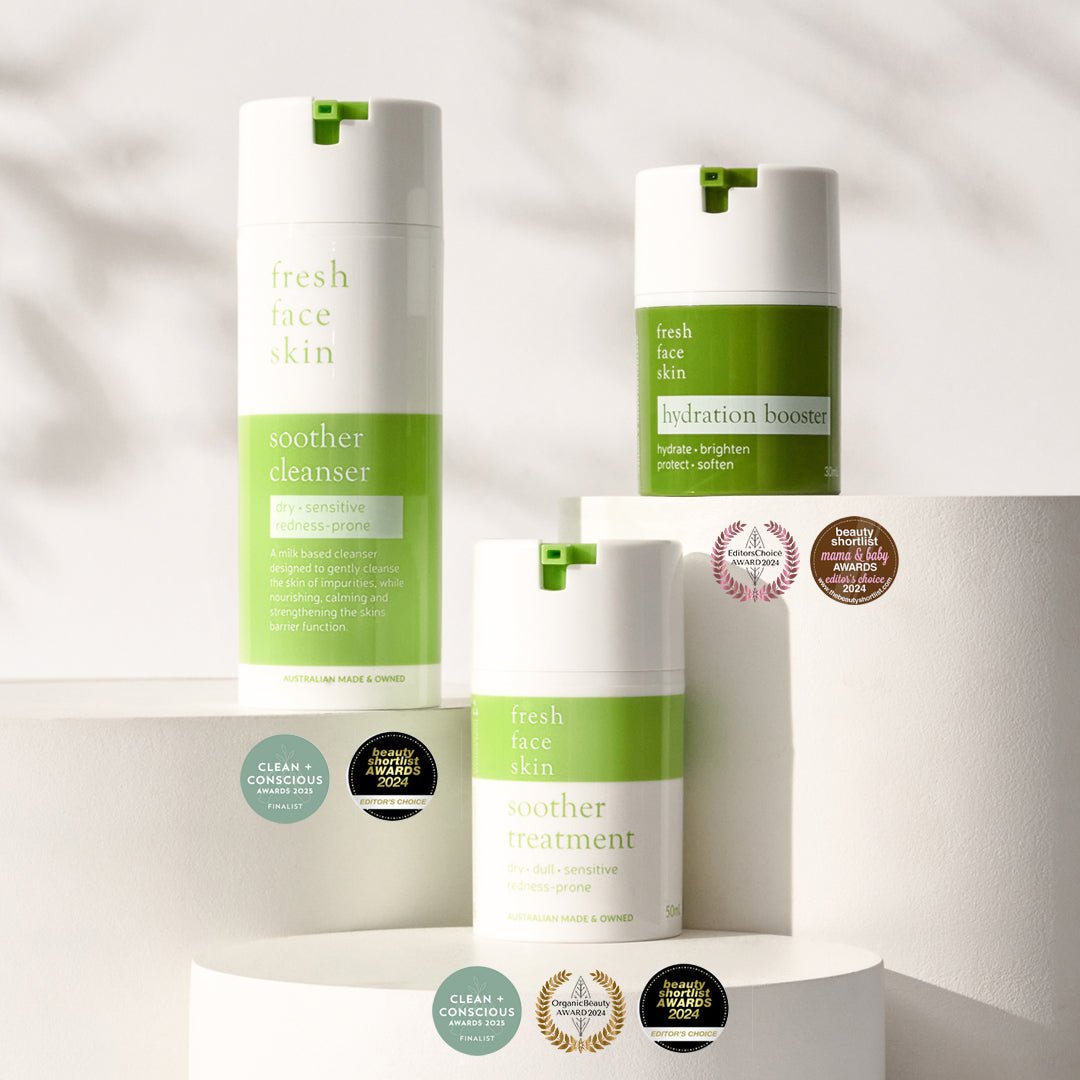
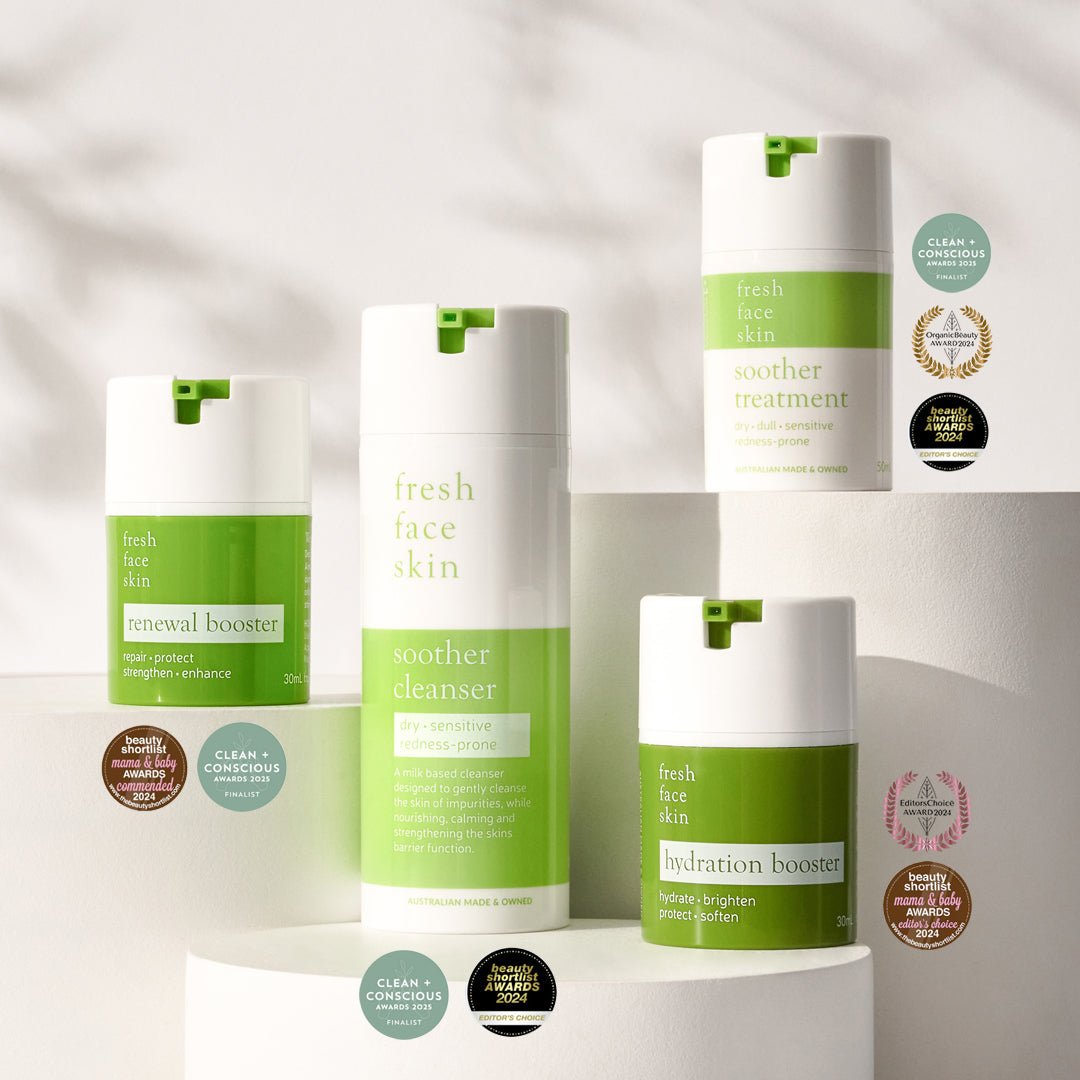
At Fresh Face Skin, our skincare is skin therapist developed, 100% natural, and barrier-loving—designed to support long-term skin health, not quick fixes. Shop the Barrier Pack